Navigating the Rules: The Factors That Shape Auto and Boat Carrier Regulations
5 min read
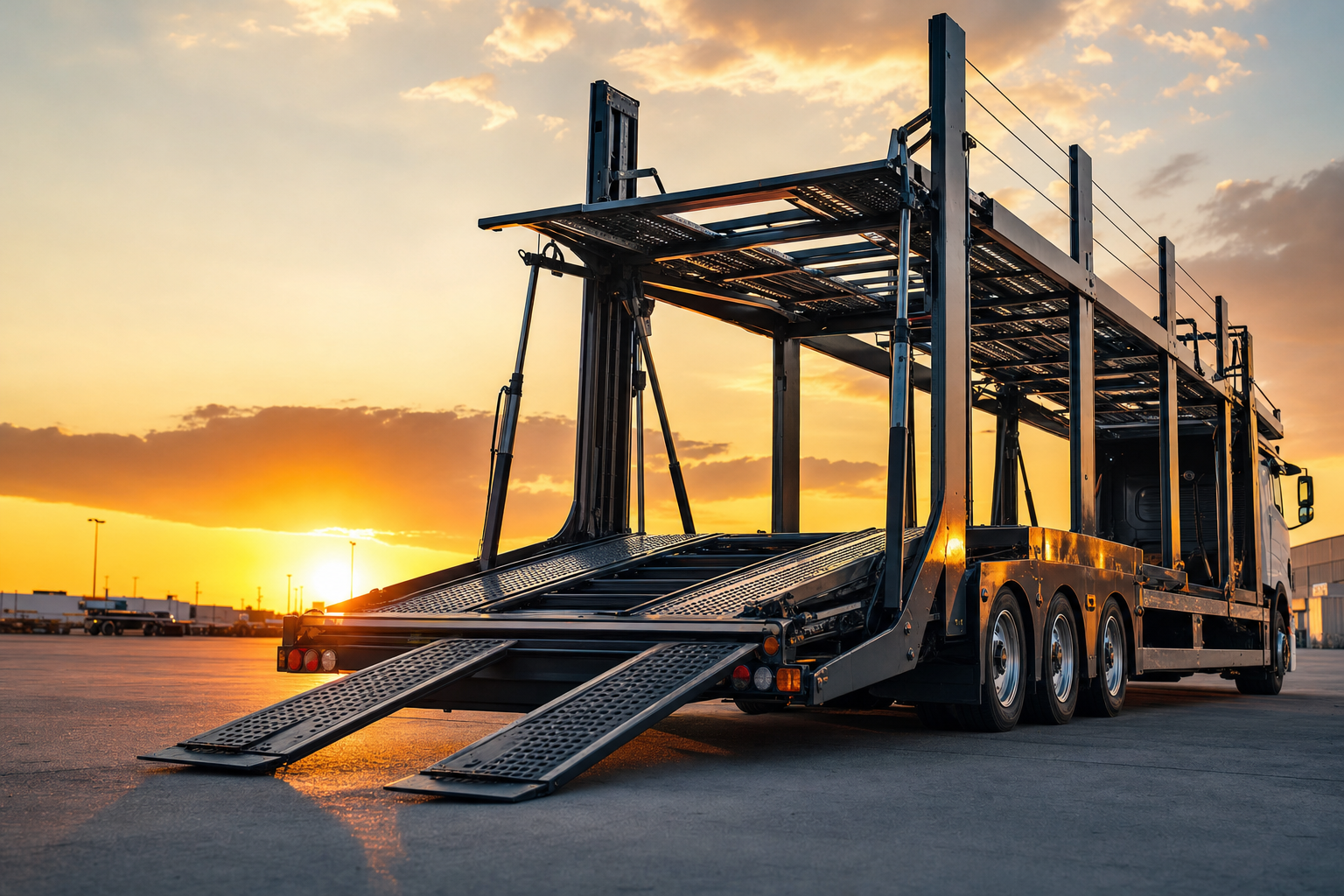
When you see a multi-car hauler or a specialized trailer carrying a fleet of rowing shells or luxury boats, you are looking at one of the most complex balancing acts on the highway. These vehicles are not the standard rectangular boxes that move most of the world's freight. They are open-frame, highly adjustable pieces of engineering designed to maximize space and safely transport high-value, irregularly shaped cargo.
Because these carriers look and behave differently than a standard semi-truck, they are governed by a specific set of rules. Understanding the factors that shape these regulations—and the permits required to bypass standard limits—is essential for anyone involved in the transport of automobiles and watercraft.
While a snapshot of current data might show zero active regulations and zero permits recorded from specific authoritative sources for this category, this lack of entries often points to the highly specialized and regional nature of the industry. It suggests that these vehicles operate under a framework where "standard" is a relative term, and the rules of the road are dictated by the physical realities of the cargo and the engineering of the trailers.
The Logic of the "Stinger-Steer"
One of the most important factors in this category is the use of the "extended stinger-steer" configuration. In a traditional tractor-trailer setup, the trailer connects to the truck via a fifth-wheel hitch located directly over the rear axles of the tractor. In a stinger-steer setup, however, the hitch is located much lower and further back—essentially "stinging" out from the rear of the tractor’s frame.
This design choice is not accidental; it is driven by the need for more cargo space. By moving the connection point lower and further back, the carrier can fit an extra vehicle or two over the cab of the truck. Because this changes how the vehicle turns and how weight is distributed, it creates a unique regulatory "bucket."
The rules for these carriers exist to ensure that despite their extra length, they can still navigate standard highway turns and city streets without swinging into oncoming traffic or clipping curbs. Regulations focus on the distance from the steering axle to the rear of the unit to ensure the "swept path" of the vehicle remains within safe limits.
Managing the Overhang
Perhaps the most visible factor in auto and boat transport is the "overhang." Unlike a dry van, where the cargo is contained entirely within the walls of the trailer, cars and boats often extend beyond the front and rear bumpers of the carrier.
Regulations exist to manage this for several reasons:
- Visibility: A car hanging too far off the back can obscure the trailer’s lights or the driver’s view of the road behind them.
- Leverage: Excessive rear overhang can act like a lever, potentially lifting weight off the front steering axles when the vehicle hits a bump, which compromises control.
- Safety in Collisions: Overhangs change the "underride" profile of a vehicle, which is a major concern for the safety of smaller passenger cars following behind.
When a carrier exceeds standard overhang allowances, they move into the territory of special permits. These permits act as a formal agreement between the carrier and the state, acknowledging that the load is "oversize" and requiring specific safety measures, such as flags, lights, or even escort vehicles.
Weight Distribution and Infrastructure
The weight of a car or boat carrier is rarely the primary concern compared to a truck hauling gravel or steel, as vehicles are mostly air and glass. However, the distribution of that weight is a critical factor for regulators.
Because car haulers have unique configurations like the stinger-steer, the weight is spread differently across the axles. Bridges and road surfaces are designed with specific weight-per-axle limits in mind. If a carrier concentrates too much weight on one specific set of tires, it can cause "rutting" or accelerated wear on the pavement.
Regulators look at the gross vehicle weight and the spacing between axles to determine if a carrier can move freely or if it needs a permit to travel on specific routes. For boat carriers, this is especially important because a single large yacht might place a massive amount of weight on a very small section of the trailer compared to a load of eight small sedans.
Regional Variance and the "Zero" Data Point
In our current overview of these transport rules, we find a total of 0 regulations and 0 permits drawn from 0 authoritative sources. While that may seem like a gap in the system, it reflects the way transport law is often structured.
Many specialized carrier rules are "by exception." Rather than having a single federal rule that applies everywhere, the factors that determine how a stinger-steer auto carrier moves are often found in the fine print of state-level "size and weight" manuals. When a database shows zero entries, it often indicates that the category is currently being handled under broader transport umbrellas or is subject to shifting regional interpretations that haven't been codified into a single, static national standard.
For the operator, this means that the "rules" are often a moving target based on the specific route. A carrier that is legal in one state might require a permit the moment it crosses a bridge into the next, simply because of a two-inch difference in allowed rear overhang or a slightly different definition of an "extended" frame.
The Role of Permits in Modern Transport
If regulations are the "fence" that keeps the industry safe, permits are the "gate." Permits exist because the economy needs large things—like rowing shells for a university team or new SUVs for a dealership—to move, even if they don't fit into the "standard" box.
The factors that trigger the need for a permit usually include:
- Total Length: If the combined length of the tractor and trailer exceeds the standard limit for that specific highway.
- Total Width: Particularly common for boat carriers, as many hulls are wider than the standard lane width.
- Safety Equipment Requirements: A permit might be granted on the condition that the driver only operates during daylight hours or avoids certain high-traffic metropolitan areas during rush hour.
Summary
The regulations surrounding auto and boat carriers are built on the physics of the vehicle and the limitations of our infrastructure. Whether it is the specialized geometry of a stinger-steer hitch or the delicate balance of a rear-overhanging boat, the rules exist to ensure that these massive, specialized tools can coexist with the general public.
While the specific count of regulations may fluctuate or appear empty in certain data sets, the underlying factors—length, weight distribution, and maneuverability—remain the constant North Star for both regulators and operators. Understanding these "whys" makes it much easier to navigate the "whats" of daily compliance and road safety.