Navigating the Road: A Guide to Extended Stinger-Steer Auto Carrier Regulations
5 min read
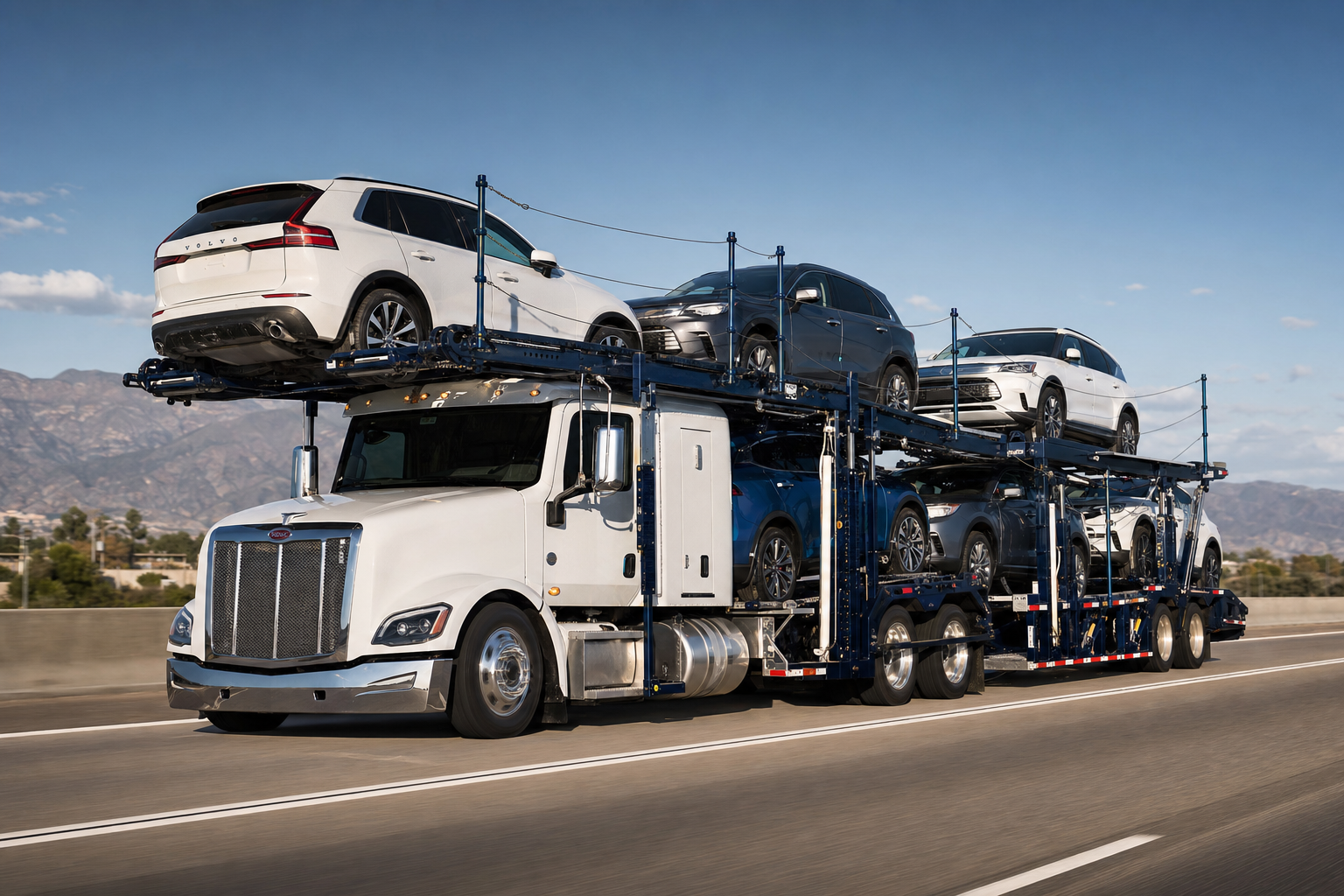
If you have ever spent time on a major highway, you have likely seen a massive tractor-trailer loaded with cars, stacked at precise angles like a high-speed game of Tetris. These are auto carriers, and within that industry, there is a specialized class of vehicle known as the Extended Stinger-Steer Auto Carrier (ESSAC). These vehicles are designed for one primary purpose: maximizing the number of cars a single driver can transport over long distances.
Because these vehicles are longer and more complex than standard freight trucks, they operate under a specific set of rules. In the world of commercial transportation, these rules are a mix of broad regulations and specific permits. Across the jurisdictions of Ontario and Quebec, there are currently eight key rules—consisting of two general regulations and six specialized permits—that dictate how these carriers must operate.
Understanding these rules isn't just about following the law; it is about understanding the delicate balance between logistical efficiency and public safety.
What is a Stinger-Steer?
To understand the regulations, we first have to understand the vehicle. A "stinger-steer" configuration differs from a traditional semi-truck. In a standard setup, the trailer connects to a "fifth wheel" hitch located directly over the tractor's rear axles. In a stinger-steer setup, the hitch is located on a drop-frame positioned much lower and further back—essentially "stinging" out from the rear of the tractor.
This design allows cars to be loaded over the cab of the truck and closer to the ground, significantly increasing the vehicle's capacity. An "Extended" Stinger-Steer (ESSAC) takes this a step further, allowing for even greater lengths to accommodate more vehicles. Because these configurations push the limits of standard road design, they require a more nuanced approach to oversight.
Why the Rules Exist
Regulations in the trucking industry are often viewed as hurdles, but they serve three vital functions:
- Infrastructure Protection: Roads, bridges, and overpasses are built to specific tolerances. A vehicle that is too long or carries its weight improperly can damage asphalt or, in worse cases, strike an overpass.
- Public Safety: Longer vehicles have wider "off-tracking" paths, meaning the trailer doesn't follow the tractor perfectly around a curve. Rules ensure these trucks can safely navigate turns without swinging into oncoming traffic.
- Standardization: Having clear rules ensures that all transport companies are playing by the same deck of cards, preventing "shortcuts" that could lead to mechanical failures or driver fatigue.
Of the eight rules governing ESSAC vehicles in this region, five are framed as "must not" requirements—prohibitions that set clear boundaries on what a vehicle cannot do. The remaining three are "must" requirements—positive actions or configurations that the operator is obligated to meet.
The Key Factors Shaping the Rules
Regulations aren't one-size-fits-all. Instead, they "trigger" based on specific factors. If you are looking to understand why a certain rule applies to one truck but not another, it usually comes down to these five criteria:
1. Official Classification
The most important factor is how the vehicle is classified under the Ministry of Transportation’s permit system. Generally, these are divided into "Full ESSAC" or "ON-ESSAC." This classification acts as the primary filter; the rules for a Full ESSAC vehicle may allow for more generous length limits but might come with stricter requirements for where the truck can travel.
2. What Is Being Measured
Rules don't just look at the truck as a single unit. They often look at specific components. A regulation might govern the length of the tractor alone, the length of the trailer, or the distance of the "overhang"—the portion of a car that sticks out past the front or rear of the trailer frames.
3. Total Length and Dimensions
The actual measured length of the vehicle or its components is a major trigger for permits. In many cases, a regulation covers vehicles up to a certain length, but once the vehicle exceeds that standard measurement, a specialized permit is required to legalise the operation.
4. Loaded vs. Empty
It may seem counterintuitive, but whether a vehicle is carrying cars or traveling empty can change which rules apply. A loaded auto carrier has different height clearances and a different center of gravity than an empty one. Some permits are specifically designed to address the unique physics of a fully loaded carrier, ensuring it remains stable at highway speeds.
5. Equipment Build Date and Configuration
The trucking industry evolves, and so does the equipment. Rules often take into account the "birth date" of a trailer and its tire configuration. Older trailers might be "grandfathered" into certain regulations, while newer trailers are held to modern standards regarding how their axles are spaced and how many tires support the load.
Regional Breakdown: Ontario and Quebec
The way these rules are distributed varies significantly by province. While both provinces cooperate to ensure goods move smoothly across borders, their regulatory frameworks look different.
- Quebec: This province holds the majority of the rules in this category, with a total of six. This includes two general regulations and four specialized permits. This suggests a highly structured environment where both the law and specialized permissions play a heavy role in daily operations.
- Ontario: In Ontario, the oversight is currently managed through two specific permits. This indicates that while the general traffic laws apply, the specific "extra" allowances for extended carriers are handled primarily through the permit process rather than through unique, standalone regulations.
A System of Limits
The "must not" nature of many of these rules—occupying five of the eight total requirements—highlights the cautious approach regulators take with extended vehicles. These prohibitions might prevent a vehicle from entering certain narrow routes, exceeding specific height limits, or carrying loads that extend too far beyond the bumpers.
Conversely, the "must" requirements ensure that the vehicle is equipped with the necessary safety markings, proper axle weights, and the correct permit documentation before it ever hits the road.
Conclusion
The Extended Stinger-Steer Auto Carrier is a marvel of modern logistics, allowing for the efficient delivery of the vehicles we drive every day. However, their size and complexity mean they cannot be treated like a standard van trailer.
By looking at the eight rules that govern them—and the classifications, measurements, and loading statuses that trigger those rules—we can see a clear picture of a system designed to keep the economy moving while keeping the roads safe. Whether it is a "Full ESSAC" or an "ON-ESSAC" configuration, the goal remains the same: ensuring that these giants of the highway fit safely into the world around them.