Navigating the Gates: Understanding the Factors That Shape International Border Crossing Rules
5 min read
At any given moment, thousands of vehicles are lined up at the boundary lines between nations, waiting to transition from one jurisdiction to another. While these border crossings often feel like simple checkpoints, they are actually governed by a complex framework designed to balance two competing interests: the need for efficient trade and the necessity of national security.
In the context of modern transport, understanding the rules of the border is essential for logistics planners, commercial drivers, and even curious travelers. Based on authoritative data regarding international crossing points, we can see a specific regulatory structure at play, particularly within the corridor of the United States and Canada. This region operates under three primary regulations that dictate how, when, and if a vehicle may cross.
To understand these rules, we have to look past the physical booths and gates and examine the factors that trigger specific legal requirements.
The Regulatory Framework: Rules vs. Permissions
When we look at the data governing border crossings, a clear pattern emerges. Currently, in the transport category for these international points, there are three established regulations and zero permits.
In the world of government oversight, there is a distinct difference between a regulation and a permit. A regulation is a standing rule that applies to everyone who fits a certain profile. A permit, conversely, is a specific grant of permission for an individual or company to perform a specific act. The fact that the current landscape is dominated by regulations—with two "must not" (prohibitive) rules and one "must" (mandatory) rule—tells us that border transit is governed more by broad standards of safety and security than by individual case-by-case applications.
These three regulations are the product of years of bilateral cooperation, particularly between the United States and Canada. They exist to ensure that the flow of goods does not compromise the safety of the public or the integrity of the infrastructure.
Key Factor: The Weight of the Load
One of the most immediate factors that determines which rules apply to a vehicle is its gross vehicle weight. This isn't just about collecting tolls; it is a fundamental concern for the physical survival of the border infrastructure itself.
Border crossings often involve bridges, tunnels, or heavily reinforced transit lanes. These structures have specific engineering limits. When a regulation mentions gross vehicle weight, it is setting a threshold. If a vehicle exceeds a certain weight, it may be prohibited from using a specific crossing point (a "must not" modality) or may be required to follow a specific lane or inspection protocol (a "must" modality).
By categorizing rules based on weight, authorities can divert heavy industrial traffic away from older bridges or congested urban crossings that weren't built to handle the literal tons of pressure exerted by modern long-haul trucking.
Key Factor: The Nature of the Cargo
Not all cargo is created equal. The most significant "must not" regulations often involve the presence of hazardous materials. Safety is the primary driver here. A border crossing is often a bottleneck; an accident involving flammable, explosive, or toxic materials in a confined space like a bridge or a tunnel could be catastrophic.
Consequently, whether or not the cargo consists of hazardous materials is a primary factor in determining which border points are open to a shipment. Some crossings are strictly "no-hazmat" zones. In these cases, the regulation is absolute: a driver carrying certain chemicals or gases must not use that specific entry point. This forces hazardous shipments toward crossings that are better equipped with emergency response teams and specialized inspection facilities.
Key Factor: The Method of Shipment
Efficiency is the final major factor. Border authorities have developed specialized categories and methods for shipments to help speed up the process for trusted or frequent shippers. You may have heard of systems like PARS (Pre-Arrival Review System) or BRASS (Border Release Advanced Screening and Selection).
These are not just acronyms; they are specific shipment methods that dictate how a vehicle interacts with the border.
- PARS allows for the processing of information before the truck even reaches the booth, meaning the customs officer can make a decision faster.
- BRASS is designed for high-volume, low-risk commodities shipped by highly reliable carriers.
The regulations currently in place use these shipment categories to determine eligibility for certain lanes. A regulation might state that a driver "must" use a specific lane if they are registered under a pre-clearance program, or "must not" use a fast-track lane if they are using standard documentation. This keeps the flow of traffic organized and ensures that the technology at the gate matches the paperwork in the truck.
The Regional Focus: United States and Canada
The data indicates that all three of these primary regulations are concentrated within the United States and Canada region. This reflects the reality of one of the busiest and most integrated trade relationships in the world.
Because the US and Canada share such a high volume of "just-in-time" delivery traffic—where parts for a single car might cross the border multiple times during the manufacturing process—the rules must be incredibly precise. The three regulations currently active are designed to ensure that this high-velocity trade doesn't become a loophole for safety or security violations.
While it might seem like a small number of rules, these three regulations cover the most critical variables:
- Safety: Controlling where hazardous materials can go.
- Infrastructure: Protecting roads and bridges by monitoring gross vehicle weight.
- Efficiency: Routing traffic based on the method of shipment (like BRASS or PARS).
Conclusion: A System of Strategy
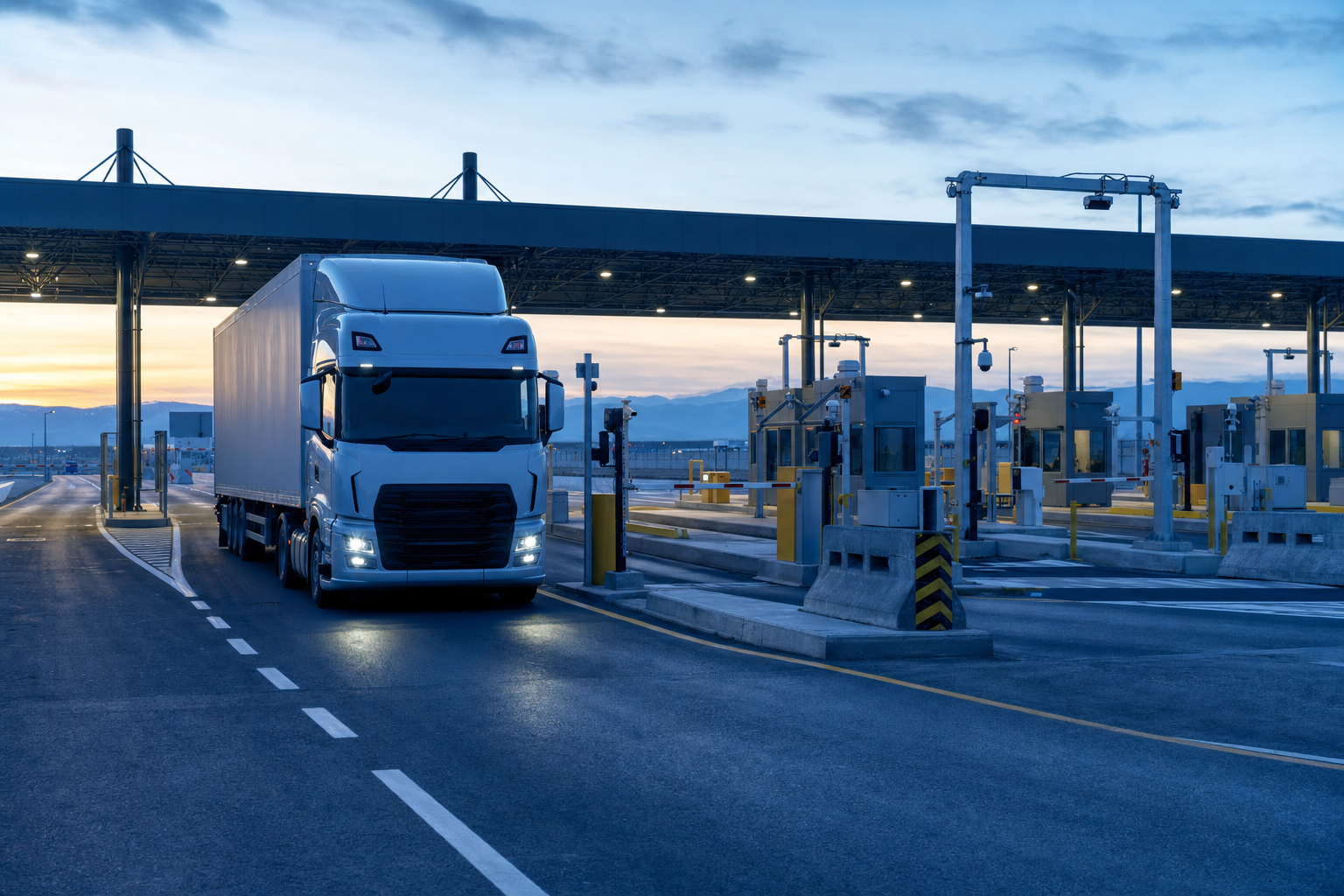
When you see a truck stopped at the border, it isn't just being checked for contraband. It is being filtered through a system that considers its weight, the danger posed by its cargo, and the digital systems used to file its paperwork.
The absence of specific permits in this category suggests that the border is currently operating on a standardized, regulatory model rather than a discretionary one. By following the "musts" and "must nots" of these three core regulations, transport companies can ensure they are moving goods in the safest and most efficient way possible.
Understanding these factors—weight, hazardous status, and shipment method—removes the mystery from the border. It reveals the border not as a wall, but as a sophisticated filter designed to keep the economy moving while keeping the public safe.
Disclaimer: This article is intended for educational and informational purposes only and does not constitute legal advice. For specific compliance requirements, always consult official government transportation and customs resources.