Understanding the Watchful Eye: The Factors Behind Traffic Camera Rules and Oversight
5 min read
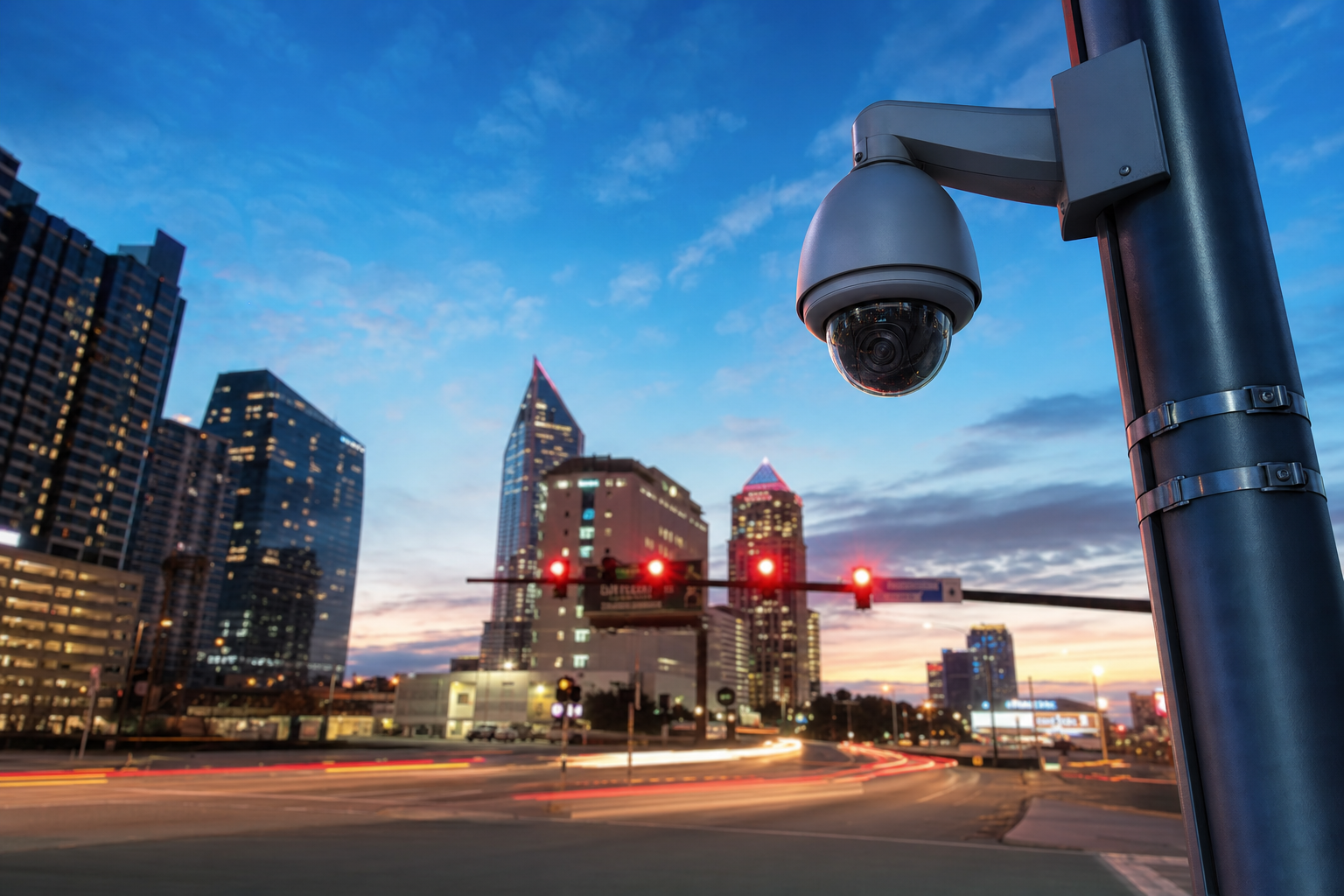
The modern roadway is more than just asphalt and paint; it is a sophisticated network of sensors, data streams, and visual monitors. Whether you are driving through a busy metropolitan intersection or cruising down a long stretch of interstate, you are likely being observed by a variety of traffic cameras. These devices range from the closed-circuit television (CCTV) units that monitor traffic flow to the highly specialized enforcement cameras that capture red-light violations or speeding.
Despite their ubiquity, the rules governing these devices are often misunderstood. While it might seem that there is a massive federal guidebook dictating every lens and sensor, the reality is much more nuanced. In many central oversight frameworks, the count for formal regulations and specific permits can actually sit at zero. This does not mean the technology is unmanaged; rather, it indicates that the "rules of the road" for traffic cameras are shaped by a complex interplay of local policy, privacy concerns, and safety engineering rather than a single, top-down regulatory body.
The Two Faces of Traffic Monitoring
To understand the factors that shape traffic camera oversight, we must first distinguish between the two primary types of devices.
1. Traffic Management and Monitoring
Most cameras you see on highways are there to help the flow of traffic. These cameras provide real-time feeds to transportation departments, allowing them to spot accidents, clear debris, and update those digital "message signs" that warn you of delays ahead. Because these cameras generally do not record identifying information about drivers or issue citations, they are governed more by internal operational policies than by strict legal permits.
2. Enforcement and Automated Justice
Enforcement cameras, such as red-light cameras and photo radars, are a different matter entirely. These are designed to identify specific vehicles and drivers to enforce traffic laws. Because these devices have the power to issue fines and impact a person’s driving record, they are subject to much higher levels of scrutiny regarding accuracy, fairness, and due process.
Why the Regulatory Count Is Often Low
When researching traffic cameras, you may encounter data showing "0 regulations and 0 permits" from authoritative sources. At first glance, this might seem like a lack of oversight, but it actually points to a decentralized system.
In many jurisdictions, traffic cameras are managed through "guidelines" and "standard operating procedures" rather than formal legislative regulations. Furthermore, because many of these systems are owned and operated by state or local governments themselves, they do not always require a "permit" in the same way a private citizen would need a permit to build a house. Instead, the "rules" are built into the contracts between the city and the camera vendors, or into the internal manuals of the Department of Transportation.
Key Factors That Shape Traffic Camera Policies
Even in the absence of a giant federal rulebook, several core factors determine where cameras go, how they function, and what happens to the data they collect.
Public Safety and Accident History
The most significant factor in deploying an enforcement camera is the safety record of a specific location. Traffic engineers look at "crash clusters"—areas with a high frequency of broadside collisions or high-speed accidents. A camera is far more likely to be permitted at an intersection with a documented history of red-light running that leads to injuries than at a quiet residential corner.
Privacy and Data Retention
Perhaps the most debated factor is how long the footage is kept and who is allowed to see it. Privacy advocates and legislators often push for rules that require "anonymized" data. For monitoring cameras, this might mean the resolution is kept low enough that faces cannot be recognized. For enforcement cameras, the factor at play is the "retention period"—how many days or months the record exists before it must be deleted.
Gross Vehicle Weight and Impact
Rules often change based on the type of vehicle being monitored. For instance, sensors embedded in the road that trigger a camera are often calibrated based on the gross vehicle weight of the traffic. Heavy commercial trucks may be subject to different monitoring standards than passenger cars, especially on bridges or in areas with weight restrictions. Cameras are frequently used to ensure that overweight vehicles are not damaging sensitive infrastructure.
Technical Calibration and Accuracy
For an enforcement camera to hold up in a dispute, its accuracy must be beyond reproach. This leads to internal requirements for regular calibration. Factors such as the timing of a yellow light (the "clearance interval") are crucial; if a camera triggers too quickly, the system is viewed as unfair. Therefore, the "rule" isn't just about the camera, but about the synchronization of the entire traffic signal system.
The Regional Breakdown: Why Location Matters
The application of traffic camera technology varies wildly depending on where you are. This regional disparity is one reason why a single, unified set of regulations is hard to find.
- Urban vs. Rural: In densely populated cities, cameras are essential for "incident management"—clearing a stalled car before it causes a ten-mile backup. In rural areas, cameras are more likely to be used for weather monitoring or at specific high-risk highway crossings.
- State-Level Prohibition: Some states have passed laws that explicitly ban the use of automated enforcement cameras. In these regions, the "regulation" is a total prohibition.
- Revenue Neutrality: Some jurisdictions have rules stating that the money generated by traffic cameras cannot go into the general city fund; instead, it must be "earmarked" for traffic safety improvements. This factor is designed to counter the perception that cameras are "revenue traps" rather than safety tools.
The Role of Modern Technology
As we move toward "Smart Cities," the factors shaping these rules are evolving. We are seeing a shift from simple video recording to "edge computing," where the camera itself can detect an accident and alert emergency services within seconds.
Because this technology moves faster than the law, many agencies rely on "best practices" issued by professional engineering organizations. These documents serve as the functional equivalent of regulations, guiding how cameras should be angled, how data should be encrypted, and how the public should be notified of their presence.
Conclusion
Traffic cameras are a tool of the digital age, designed to keep the world moving safely and efficiently. While the formal tally of national permits and regulations may be low, the actual oversight is intense and highly localized. It is a system shaped by the constant tension between the need for public safety and the fundamental right to privacy.
By understanding that these rules are driven by factors like accident history, gross vehicle weight, and data ethics, drivers can better appreciate the "why" behind the lens. The goal of these systems, ideally, is not to catch drivers in a mistake, but to create an environment where the rules of the road are respected, and everyone makes it home safely.