Understanding Insurance Filings: The Backbone of Carrier Registry and Road Safety
5 min read
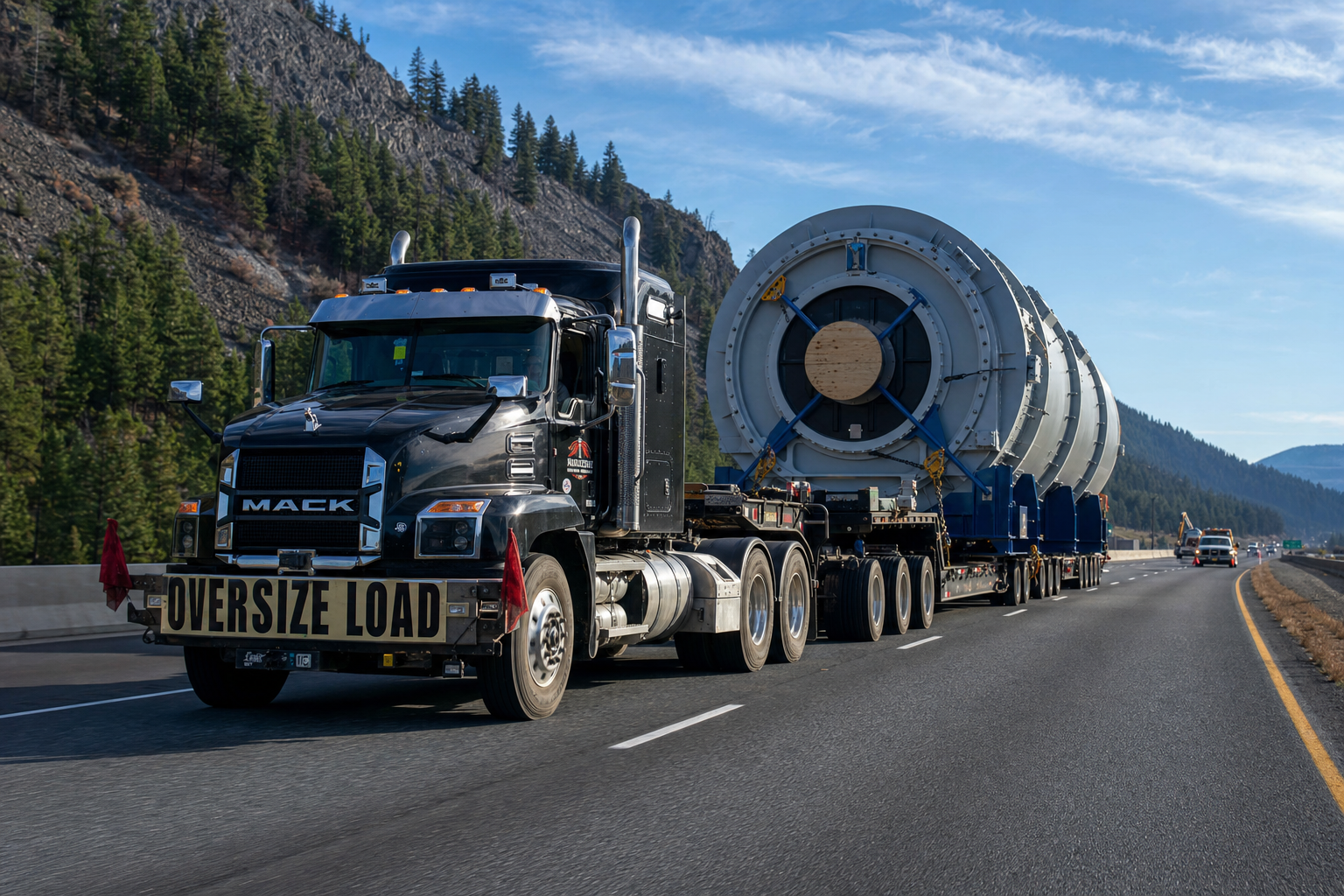
In the world of commercial transportation, the physical presence of a truck on the highway is only half the story. Behind every oversized load and heavy hauler is a complex framework of documentation designed to protect the public, the infrastructure, and the carriers themselves. Central to this framework are insurance filings—official documents, such as Form OS 32, that prove a carrier has the financial backing to cover potential damages or accidents.
These filings are not merely administrative hurdles; they are a prerequisite for the issuance of many transportation permits. Across various jurisdictions, there are 34 distinct rules—comprising 20 specific regulations and 14 permit-related requirements—that govern how and when insurance information must be submitted to a Department of Transportation (DOT). Drawn from eight authoritative sources, these rules create a safety net that ensures the heavy equipment moving across our bridges and through our cities is properly backed by liability coverage.
Why Insurance Filings are Mandatory
The legal language surrounding insurance filings is remarkably consistent. Of the 34 rules identified, 32 are classified as "must" requirements. This means that for the vast majority of carriers, filing insurance documentation is an absolute obligation rather than a suggestion. Only one rule is categorized as "may" (discretionary), and one is a "must not" (prohibitory), illustrating that the regulatory environment is almost entirely focused on mandatory compliance.
The reason for this strictness is risk management. When a vehicle exceeds standard size or weight limits, the potential for damage to pavement, overpasses, or other vehicles increases. By requiring insurance forms to be on file with a carrier registry before a permit is issued, the state ensures that the financial responsibility rests with the carrier and their insurer, rather than the taxpayer or the general public.
The Key Factors Shaping the Rules
Not every vehicle is subject to the same filing requirements. The "when" and "how" of insurance filings are determined by several specific factors related to the vehicle, the cargo, and the nature of the business.
Permit Type and Load Weight
The most significant factor in determining insurance requirements is the type of permit being requested. Oversize and overweight permits are the primary drivers of these rules, appearing as a deciding factor in seven different regulations. Because these loads are more difficult to maneuver and place more stress on the road, the DOT often requires specialized proof of insurance.
Weight is also a critical threshold. Both the gross weight of the vehicle and its load, as well as the total weight of the vehicle and load combination, trigger specific filing requirements. As a vehicle gets heavier, the potential energy it carries increases, and the regulatory oversight regarding its insurance coverage tightens accordingly.
Carrier Classification
The nature of the business—whether a carrier is "private" or "for-hire"—also plays a role. A private carrier generally moves its own goods, while a for-hire carrier is contracted by third parties. These classifications change the liability profile of the operation, leading to different filing requirements in at least four of the established rules.
Financial Limits and Liability Structure
Regulations also look closely at the "how much" of insurance. This includes:
- The Monetary Amount of Liability: The specific dollar amount of coverage per accident or movement.
- Primary vs. Excess Coverage: Some rules distinguish between the primary insurance policy that pays out first and "excess" or "umbrella" policies that provide additional coverage once primary limits are exhausted.
- Major Commercial Work: In some instances, if a highway work permit is for major commercial projects, the liability limits are significantly higher to account for the increased complexity and risk of the site.
Timing and Equipment
Even the mechanics of the vehicle and the timing of the move matter. For example, whether a load is "self-propelled" (like a large crane driving itself) versus a trailer being towed can change the filing requirements. Furthermore, certain rules are dictated by specific effective dates or the number of days a "hauling performance bond" must remain on file after a move is completed. In some cases, a temporary endorsement confirmation is valid for a short window (often one day) before an official, permanent form is required by the state.
A Regional Perspective on Regulations
The requirements for insurance filings vary significantly depending on where the carrier is operating. The 34 rules are distributed across federal and state jurisdictions, reflecting different regional priorities.
- New Mexico: This state leads the group with 11 total rules (9 regulations and 2 permit requirements). This suggests a highly structured regulatory environment where insurance filings are central to the carrier registry process.
- United States (Federal): At the federal level, there is a balanced split with 5 regulations and 5 permit-related rules. These generally provide the baseline for interstate commerce, ensuring a minimum standard of financial responsibility across state lines.
- Ohio: Ohio maintains 7 rules, leaning slightly more toward formal regulations (5) than specific permit requirements (2).
- Georgia: Interestingly, Georgia’s 4 rules are entirely permit-based. This indicates that in Georgia, the insurance filing process is most tightly integrated with the actual act of applying for a specific transport permit.
- Maryland: Maryland maintains a minimal but balanced footprint with one regulation and one permit requirement.
The Role of the Carrier Registry
The "Carrier Registry" serves as the digital or physical warehouse for all this information. When a carrier submits an OS 32 or a similar insurance form, it is recorded in the registry. This system allows permit officials to instantly verify that a carrier is "in good standing" before they hit "approve" on an oversize or overweight permit.
This centralized approach prevents the need for a carrier to send physical copies of their insurance policy every time they need to move a single load. Once the filing is on record and verified as active—and as long as it meets the minimum monetary amounts and covers the correct classification—the carrier can often obtain permits through an automated or expedited process.
Summary
Insurance filings are the silent partners of the heavy-haul industry. While the physical move of a massive piece of machinery gets the most attention, it is the 34 rules and the 8 authoritative sources behind them that ensure the move is legally and financially sound. By weighing factors like vehicle weight, carrier classification, and the specific type of permit, these regulations create a tailored approach to road safety.
For the informed carrier or member of the public, understanding these rules reveals the meticulous planning that goes into keeping our highways functional. It is a system built on "musts"—a mandatory commitment to financial responsibility that protects everyone on the road.