Navigating the Boundaries: Understanding Commercial Zones and Transportation Regulations
5 min read
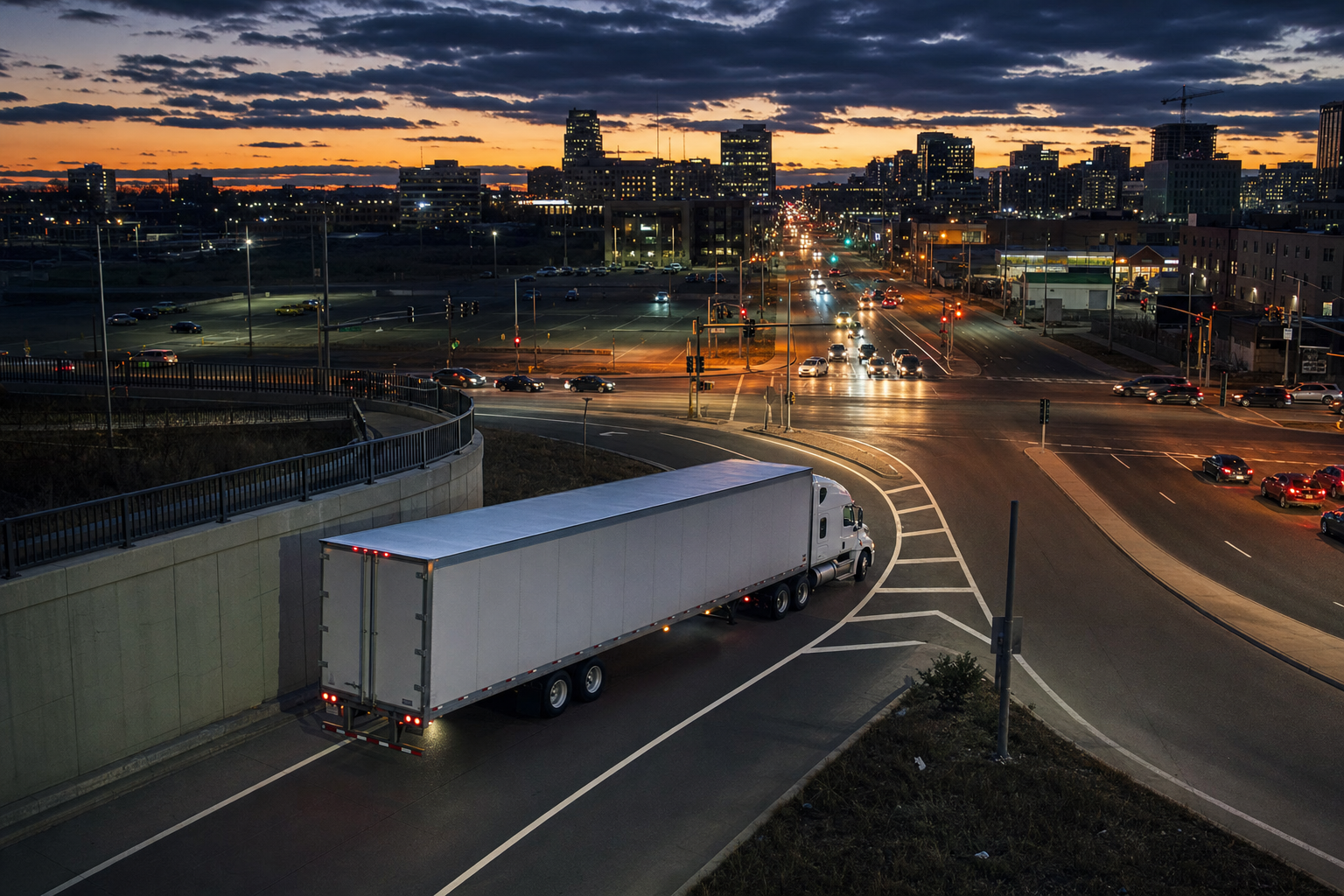
When you see a heavy-duty tractor-trailer pulling off a major interstate and onto a local boulevard, you are witnessing the intersection of two very different worlds of infrastructure. The high-speed, reinforced pavement of the highway system is designed for massive loads and constant motion. In contrast, local streets are the domain of commuters, pedestrians, and delivery hubs.
To bridge the gap between these two environments, planners and transport authorities utilize a concept known as the "Commercial Zone." These zones serve as invisible boundaries that dictate how, where, and when commercial vehicles can operate as they transition from major arteries to their final destinations. Understanding the factors that shape these zones is essential for anyone involved in logistics, urban planning, or the broader transport industry.
What is a Commercial Zone?
At its simplest, a commercial zone is a geographic area surrounding a municipality or a major highway interchange. Within these boundaries, transport rules are often different from those on the open road. These zones are typically defined by a specific distance from interstate exits or primary vehicle routes.
The goal of creating these zones is not to hinder trade, but to manage it. By defining specific radii around transport hubs, authorities can ensure that heavy traffic is concentrated on roads capable of handling the weight, while protecting smaller residential streets from the wear and tear—and the safety risks—associated with large-scale shipping.
Why Do These Rules Exist?
Regulations within commercial zones are born out of a need for balance. In any given city, there is a constant tension between the need for efficient delivery of goods and the need for safe, quiet, and durable local infrastructure.
Infrastructure Preservation
The most significant factor in road damage is gross vehicle weight. Highways are engineered with thick layers of concrete and specialized drainage to support eighty-thousand-pound loads. Local streets, however, are often built to a different standard. If a heavy vehicle frequently deviates from established commercial zones, the resulting "pavement fatigue" can lead to potholes, structural cracks, and expensive emergency repairs. Regulations exist to guide these heavy loads along paths that can actually support them.
Safety and Traffic Flow
A massive delivery truck has different braking distances and turn radii than a passenger car. Commercial zones help manage traffic flow by keeping these larger vehicles on routes that have wider lanes and appropriate signaling. By regulating the distance from primary routes that a truck can travel, authorities minimize the likelihood of a semi-truck getting stuck on a narrow residential corner or encountering a low-clearance bridge not rated for commercial transit.
Environmental and Noise Management
Large diesel engines and the cooling units on refrigerated trailers generate significant noise. Commercial zones act as a buffer, ensuring that the heavy mechanical activity associated with logistics stays within industrial corridors and away from schools or residential neighborhoods whenever possible.
The Defining Factors of a Zone
Several key factors determine whether a specific operation falls under certain rules or requires specific documentation. While these can vary by region, they generally center on the vehicle and its proximity to the main artery.
- Distance from Primary Routes: This is the most common metric. A commercial zone might extend five, ten, or twenty miles from the "base" municipality or an interstate exit. Once a vehicle travels beyond this distance, it may be subject to a different set of operating rules or higher levels of scrutiny regarding its cargo and weight.
- Gross Vehicle Weight: Rules are rarely "one size fits all." A light delivery van weighing 6,000 pounds is treated differently than a fully loaded shipping container. The heavier the vehicle, the stricter the adherence to commercial zone boundaries usually becomes.
- The Nature of the Trip: Authorities often distinguish between "through traffic"—vehicles just passing through a zone to get somewhere else—and "local delivery," where the vehicle is stopping within the zone to offload goods.
A Look at the Current Regulatory Landscape
When examining the data surrounding commercial zones, it is interesting to note the current state of official requirements. Based on authoritative sources within this specific transport category, there are currently 0 total regulations and 0 permits listed in this dataset.
While this might seem surprising given the complexity of the trucking industry, it reflects an important aspect of transport law: the distinction between federal, state, and zone-specific rules. In many cases, the "commercial zone" is a foundational concept that informs how other laws are applied, rather than a source of independent permits itself.
For example, a driver might not need a "Commercial Zone Permit," but the fact that they are operating within a commercial zone might exempt them from certain long-haul logbook requirements or allow them to carry slightly different weight distributions than they would on a cross-country trek. The "zero" count suggests that, currently, these boundaries are being used more as a geographic definition for existing rules rather than as a trigger for new, standalone paperwork.
Regional Variations
While the physics of a heavy truck are the same everywhere, the geography is not. In the densely populated Northeast, commercial zones might be tightly packed and overlapping, reflecting a landscape of many small cities close together. In the West, a commercial zone around a primary vehicle route might extend much further into the surrounding area, simply because the distance between major hubs is so great.
Regional authorities look at their specific "primary vehicle routes" and determine how far a truck can reasonably be expected to travel for a "local" delivery. If a city is a major port, its commercial zone might be shaped heavily by the proximity to docks and rail yards. If a city is a mountain hub, the zones might be strictly limited by the narrow passes and steep grades of the local terrain.
Looking Ahead: The Future of Commercial Zones
As we move toward a future of automated trucking and electric delivery fleets, the way we define commercial zones may change. Electric trucks are often heavier due to battery weight, which might lead to new considerations for gross vehicle weight limits within city boundaries. Similarly, as "last-mile" delivery becomes more automated, the distance from primary routes might be managed by digital geofencing rather than traditional roadside signage.
For now, the commercial zone remains a vital, if often invisible, part of our infrastructure. It ensures that the goods we rely on can reach us without compromising the safety or integrity of the roads we use every day. By understanding that these zones are defined by distance, weight, and safety, we can better appreciate the complex choreography required to keep our modern economy moving.
While the current data shows no specific permits or regulations unique to this category at this time, the framework of the commercial zone remains the "quiet engine" behind local logistics, providing the definitions that keep the rest of the transport world in order.