Navigating the Roadwork: Understanding Permits and Regulations in Modern Infrastructure
5 min read
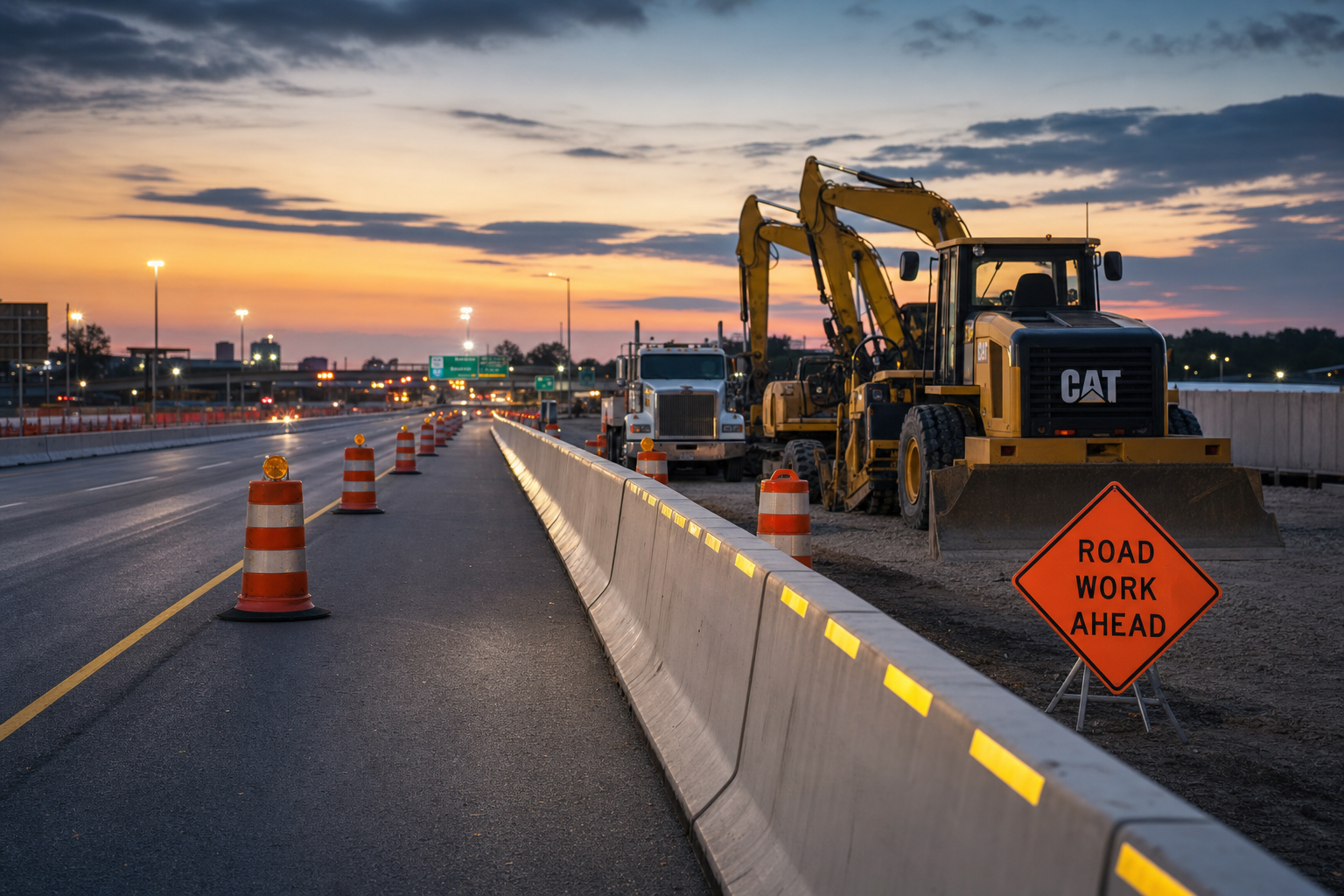
If you have ever been caught in a slow-moving queue of traffic while orange barrels line the shoulder, you have experienced the front lines of construction transport management. While these zones may feel like temporary inconveniences, they are actually the result of a highly coordinated system of permits and planning. Behind every lane closure, detour, and bridge repair is a framework designed to balance the urgent need for infrastructure improvement with the daily needs of the traveling public.
To the casual observer, roadwork might seem like a chaotic scramble of heavy machinery and asphalt. In reality, it is a strictly governed environment. Understanding the factors that shape these regulations helps demystify why certain projects happen when they do and why the rules surrounding them are so firm.
The Framework: Regulations vs. Permits
In the world of government oversight, there is a distinct difference between a general regulation and a specific permit. A regulation is typically a broad rule that applies to everyone in a certain category—think of it as the "laws of the land" for construction. A permit, on the other hand, is a specific authorization for a specific project at a specific location.
According to recent data from authoritative sources, the current landscape for construction transport in certain jurisdictions shows a significant lean toward individualized oversight. For instance, in specific regional data sets, we see a count of zero broad regulations but at least one critical permit requirement.
This suggests that authorities often prefer a "case-by-case" approach to infrastructure work. Rather than having a one-size-fits-all law that might not fit the unique geography of a mountain pass or a crowded city intersection, the state uses permits to tailor requirements to the specific needs of a project. This allows for more flexibility while maintaining a high level of control over how and when work zones are established.
Why "Must" Matters: The Modality of Compliance
When we look at the language of infrastructure rules, the word "must" carries the most weight. In the context of the rules we are examining, the mandatory nature of these requirements is absolute. If a project requires a permit, it isn't a suggestion or a "best practice"—it is a legal necessity.
This "must" modality exists for three primary reasons:
- Public Safety: Work zones are inherently dangerous places. Without mandatory adherence to safety protocols, both workers and drivers are at risk.
- Accountability: If a road is damaged or a detour is poorly marked, the permit holder is the party responsible. The mandatory nature of the permit ensures there is a clear chain of command.
- Coordination: Roads do not exist in a vacuum. A lane closure on one highway might push thousands of cars onto a local side street. Mandatory permits allow the Department of Transportation to look at the "big picture" and prevent two major projects from paralyzing an entire region simultaneously.
The Critical Factor: Timing and Effective Dates
In the planning of roadwork and infrastructure projects, one factor stands above almost all others: the calendar. Specifically, the date from which a regulation or a qualification list is considered effective is the primary driver for when rules apply.
You might wonder why a simple date is so influential. In construction, the "effective date" acts as a trigger for several moving parts:
- Seasonal Constraints: In states with harsh winters, the effective date of a permit often aligns with the "construction season." Authorities use these dates to ensure that roads are not torn up right before a major snowstorm, which would make plowing impossible.
- Budgetary Cycles: Infrastructure projects are often tied to fiscal years. The date a rule becomes effective often correlates with when funding becomes available.
- Compliance Windows: When new safety standards are introduced, the effective date gives contractors a clear deadline to upgrade their equipment or retrain their staff.
By tracking the date a rule or permit becomes active, officials can manage the flow of work across a state, ensuring that the infrastructure remains functional even while it is being improved.
A Regional Look: New York State DOT Region 3
To see these principles in action, we can look at a specific geographic area: the New York State Department of Transportation (NYSDOT) Region 3. This region covers a vital section of Central New York, including the Syracuse metropolitan area and several surrounding counties.
In this region, the data reflects the same pattern: a focus on specific permits rather than broad, sweeping new regulations. Currently, there is one active permit requirement that shapes how work zones and infrastructure improvements are managed in this part of the state.
Region 3 is a perfect example of why regional oversight is necessary. The geography of Central New York—with its mix of dense urban centers, sprawling suburbs, and rural farmland—requires a nuanced approach. A permit for a bridge repair over a canal in a rural area will have vastly different requirements than a permit for a lane closure on a major interstate during rush hour in Syracuse. By focusing on permits at the regional level, the DOT can ensure that the rules reflect the local reality on the ground.
The Purpose of the "Red Tape"
It is easy to view permits and effective dates as mere "red tape" that slows down progress. However, this oversight serves a vital function in protecting the public investment in our roads.
When a contractor applies for a permit to work on a state road, they are essentially asking for permission to temporarily disrupt a public utility. The DOT's job is to ensure that the disruption is as brief as possible and that the road is returned to the public in better condition than it was found.
The permit process requires contractors to prove they have:
- Appropriate insurance to cover any mishaps.
- A clear plan for traffic control (signage, flaggers, and barriers).
- A timeline that avoids major holidays or local events.
- Engineering plans that meet state durability standards.
Final Thoughts
Infrastructure is the backbone of the economy, and maintaining it is a constant, uphill battle against weather, wear, and tear. The system of permits we see—particularly in areas like New York’s Region 3—is designed to manage this battle with precision.
While there may be few general "regulations" in the database for this category, the single, mandatory permit requirement acts as a powerful gatekeeper. By focusing on the effective dates and the specific needs of each project, authorities can keep the state moving.
The next time you see a "Work Zone Ahead" sign, remember that it isn't just a sign of a delay—it's a sign that a rigorous process of permitting and planning has taken place to ensure that the work is done safely, legally, and at the right time. Understanding these factors helps us appreciate the complexity of the roads we often take for granted.