Navigating the Rules of Containerized Cargo: Understanding Regulations and Permits
5 min read
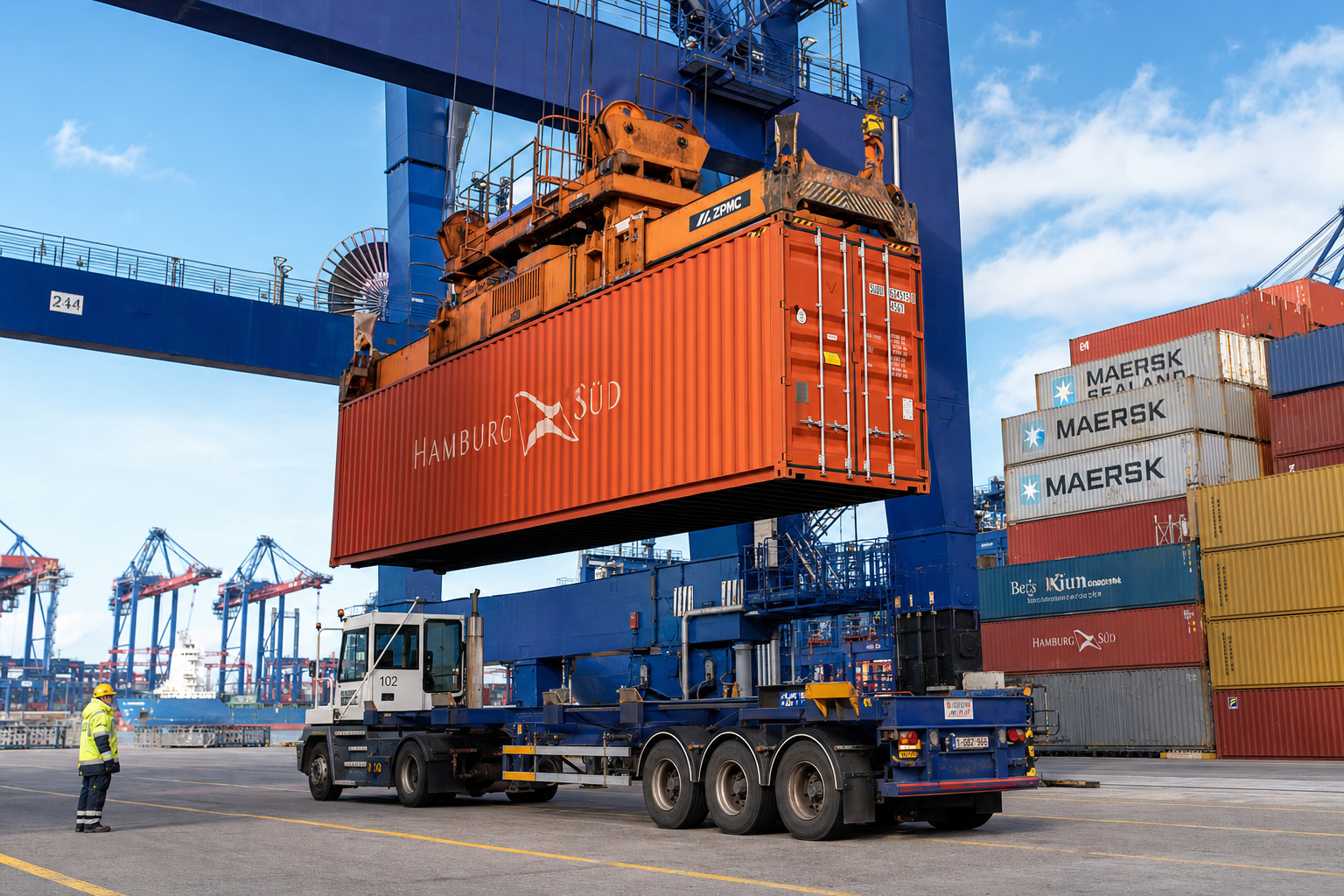
The modern global economy moves in boxes. Specifically, it moves in standardized steel containers that can be shifted seamlessly from the hold of a massive ocean vessel to a specialized rail car, and finally onto the back of a semi-truck. This "intermodal" system is the backbone of international trade, ensuring that everything from electronics to industrial machinery reaches its destination safely and efficiently.
However, moving these massive, sealed containers over public roads involves a complex web of oversight. While the container itself is standardized, the rules governing its transport on land are not. Understanding the factors that shape these regulations and permits is essential for anyone involved in logistics, shipping, or regional infrastructure planning. By looking at how rules are structured—specifically focusing on data from high-traffic regions like New York—we can gain a clearer picture of why these requirements exist and what triggers them.
The Purpose of Oversight: Why Rules Exist
At first glance, a sealed ocean container looks like any other piece of freight. But from a regulatory perspective, containerized cargo presents unique challenges. Unlike a traditional flatbed trailer where the load is visible and easily inspected, a container is a "black box" that remains sealed from the point of origin to the final destination.
Regulatory frameworks, which consist of both standing regulations and specific permits, are designed to address three primary concerns:
- Infrastructure Preservation: Roads, bridges, and overpasses are designed to withstand specific weight limits. Containerized cargo is often significantly heavier than standard domestic freight, putting immense stress on pavement and structural supports.
- Public Safety: Because the contents are sealed, the weight distribution inside the container may not be immediately obvious. Rules ensure that vehicles are properly equipped to handle the specific dynamics of a top-heavy or unbalanced load.
- Environmental and Port Efficiency: Many regulations are designed to manage the flow of traffic around major maritime hubs, reducing congestion and the idling of heavy-duty engines in populated areas.
In our current analysis, we find a total of three key rules drawn from authoritative sources that govern this space. These are split into two permanent regulations and one specific permit requirement. Notably, all three of these rules are classified as mandatory "must-follow" requirements, reflecting the high stakes involved in heavy transport.
The Primary Driver: The Type of Load
When it's time to determine which rules apply to a specific shipment, one factor stands above all others: the type of load being transported by the vehicle. In fact, this factor appears in every single rule within our dataset.
The "type of load" is a broad category that tells regulators what they are dealing with. For example, a standard 40-foot "dry van" container filled with consumer goods is treated differently than a "reefer" (refrigerated container) or a tank container carrying liquids.
The reason this factor is so dominant is that the load type dictates the physical requirements of the transport vehicle. A heavy "sealed ocean container" often requires a specialized chassis—the wheeled frame the container sits on—to distribute weight across more axles. If the load type is identified as an international shipping container, specific permits may be triggered that allow for higher weight thresholds than are normally permitted for domestic trucks.
The Regional Perspective: New York as a Case Study
Rules are rarely universal; they are often tied to the specific geography and infrastructure of a region. New York provides a perfect example of how this plays out in practice. In this region alone, there are two regulations and one permit that specifically target containerized cargo.
New York's density and its role as a major maritime gateway make it a unique regulatory environment. The presence of the Port of New York and New Jersey—the busiest on the U.S. East Coast—means that thousands of containers transition from water to land every day.
- The Regulations: These are the "standing orders" for the state. They might dictate which routes a container-carrying vehicle can take to avoid low bridges or which axle configurations are mandatory for certain load types.
- The Permit: This is a specific authorization. In many cases, New York issues permits that allow for "overweight" containers. Because international shipping weights often exceed U.S. interstate weight limits, the permit process creates a legal pathway for these containers to move from the port to a nearby rail yard or warehouse without being unpacked and reloaded.
This regional focus highlights that transport rules are not just about the vehicle, but about the specific environment the vehicle is moving through. A bridge in Manhattan or a tunnel in Brooklyn has different tolerance levels than a rural highway in the Midwest, and the rules reflect that reality.
The Role of Hazardous Materials
Interestingly, while the transport of hazardous materials is a major topic in the broader logistics world, it does not always trigger the specific container-based rules found in every jurisdiction. In the specific set of rules we are examining, the presence of hazardous materials was not the primary factor that triggered these three container-specific rules.
This does not mean that hazardous materials are unregulated. Rather, it suggests that "hazmat" freight is often covered by a different, broader set of safety statutes that apply to all types of trucking, not just containerized cargo. For the specific permits and regulations governing the movement of ocean containers, the physical dimensions and the nature of the "intermodal" load itself are often the more immediate concerns for road authorities.
Understanding the Difference: Regulations vs. Permits
To navigate this landscape effectively, it is helpful to distinguish between a regulation and a permit.
Regulations are the baseline. They are permanent rules established by government agencies. If you are moving containerized cargo in a certain region, you are automatically subject to these rules. They define the "how" of transport—how fast you can go, which lanes you can use, and how the container must be secured.
Permits, on the other-hand, are often about exceptions or specific permissions. If the type of load you are carrying is particularly heavy—as is common with sealed ocean containers—you may need a permit to bypass standard weight restrictions. In the regional breakdown for New York, the single permit mentioned is a crucial tool for shippers. It represents the bridge between international shipping standards and local road safety limits.
Summary for Shippers and Carriers
For those moving goods through the supply chain, these rules provide a framework for safety and predictability. While it might seem like a burden to track whether a specific load type requires a permit in New York, these rules are what allow the intermodal system to function.
By focusing on the type of load being transported, regulators can ensure that the vehicles on the road are matched to the cargo they are carrying. Whether it is a mandatory regulation or a specific permit, these "must-follow" rules protect the infrastructure we all share and ensure that the global flow of goods doesn't come at the expense of local safety.
When planning cargo movements, the lesson is clear: know your load type, understand the regional requirements of hubs like New York, and always ensure you are operating within the "must" requirements of the law. This educational background serves as a starting point for understanding a vital, if often invisible, part of our modern world.