Navigating the Rise and Fall: A Guide to Drawbridge Crossing Regulations
5 min read
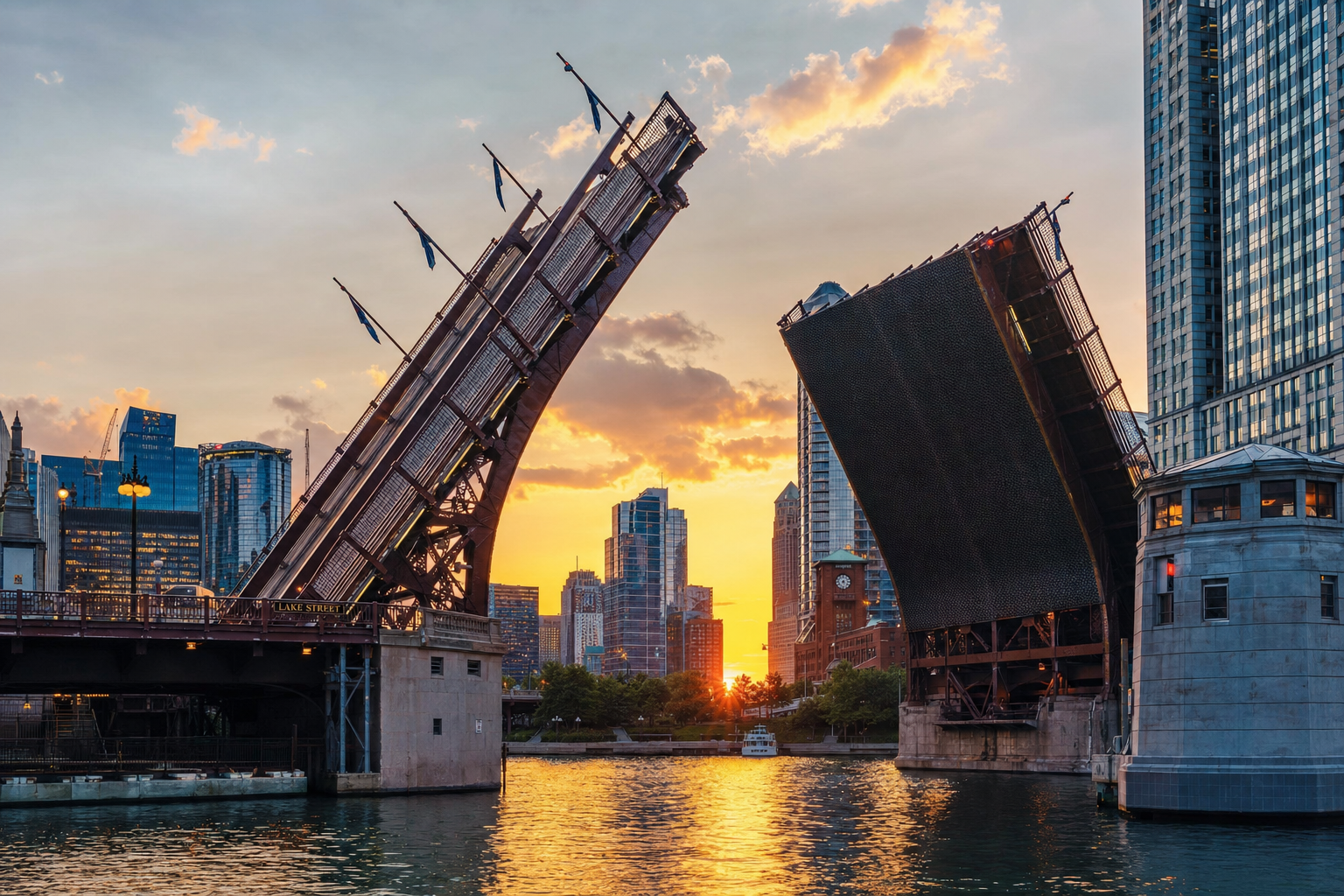
The drawbridge is a unique piece of infrastructure. Unlike a standard highway overpass or a tunnel, it is a dynamic crossing—a literal intersection where two different worlds of transportation meet. On one hand, you have the steady flow of road or rail traffic; on the other, the essential movement of maritime vessels.
When a drawbridge moves, one form of transport must stop so the other can continue. This creates a delicate balancing act for regulators and city planners. While our current data snapshot shows zero specific regulations and zero permits directly categorized under "Drawbridge Crossings" in this specific database, the reality of managing these structures involves a complex web of maritime law, safety protocols, and transit coordination.
To understand why drawbridges operate the way they do, we must look at the factors that shape their schedules, their safety rules, and the permissions required to keep them moving.
The Core Conflict: Land vs. Water
The fundamental reason for drawbridge regulation is the resolution of conflict. In the world of transportation, two objects cannot occupy the same space at the same time. On a navigable waterway, federal and international maritime laws often dictate that vessels have the right of way. This is because a large ship, constrained by tides, currents, and its own momentum, cannot simply "stop and wait" as easily as a car or a truck can.
However, in a bustling metropolitan area, stopping road traffic for twenty minutes to let a sailboat pass during the morning commute can cause a ripple effect of delays across an entire city. Therefore, the "rules" of a drawbridge are designed to find a compromise between these two competing needs.
Key Factors Determining Bridge Operations
Even though a specific count of permits might be zero in a localized dataset, several universal factors determine when a bridge opens and how it is governed.
Navigable Waterway Classification
Not all water is equal. The regulations governing a bridge over a major commercial shipping lane are vastly different from those over a recreational canal. If a waterway is classified as "navigable," it falls under a higher tier of protection. This means the bridge owner (often a state or local government) is legally obligated to provide a way for vessels to pass, usually upon request or according to a strict federal schedule.
Vertical Clearance and Air Draft
The physical dimensions of both the bridge and the vessels underneath are perhaps the most significant factors in regulation.
- Closed Clearance: This is the distance between the water surface and the bottom of the bridge when it is down.
- Air Draft: This is the height of a ship’s highest point above the waterline.
If a vessel’s air draft is lower than the bridge’s closed clearance, no opening is required. Regulations often mandate that vessels only request an opening if they physically cannot pass under the bridge while it is closed. Purposefully failing to lower a mast or an antenna to "force" a bridge opening is often a violation of maritime etiquette and, in some jurisdictions, local law.
Peak Traffic Windows
In many urban centers, "commuter hours" are protected. Regulations may dictate that a bridge remain closed to maritime traffic during specific windows—for example, 7:00 AM to 9:00 AM and 4:00 PM to 6:00 PM. During these times, land traffic is prioritized to prevent gridlock. Exceptions are almost always made for government vessels, emergency responders, or commercial ships that are restricted by the tide.
The Safety and Communication Protocol
The "permit" for a drawbridge crossing is often less about a piece of paper and more about a real-time communication protocol. When a ship needs to pass, it doesn't just wait for the bridge to see it; it must follow a specific procedure.
- Radio Communication: Most drawbridges are staffed by a bridge tender. Captains use VHF radio (usually channel 13 or 16) to request an opening.
- Sound Signals: In the absence of radio, traditional horn blasts (one long, one short) are used to signal the intent to pass.
- Visual Indicators: Bridges use a system of lights—red, amber, and green—to signal to the mariner when the bridge is locked in the open position and it is safe to proceed.
These protocols are governed by safety standards that ensure the bridge is fully cleared of pedestrians and vehicles before the mechanical process begins. The "zero permits" status in certain databases often reflects that these operations are handled as standard operating procedures by Department of Transportation (DOT) employees rather than through a public-facing application process.
Why the Data Shows "Zero" Regulations and Permits
It may seem counterintuitive that a category as important as drawbridge crossings shows zero total rules in certain tracking systems. This usually occurs for one of three reasons:
- Jurisdictional Overlap: Drawbridges are often regulated at the federal level (by organizations like the Coast Guard) rather than the local or municipal level. Therefore, local permit databases may not list them.
- Integrated Safety Codes: The rules for drawbridges are often "baked into" broader transportation and maritime safety acts. They aren't viewed as separate "permits" but as part of the bridge's fundamental operating charter.
- Standardized Operations: Because the operation of a drawbridge is a public service provided by the government, individual citizens or companies don't typically apply for a "permit" to use it. They simply follow the established schedule and signaling rules.
The Economic and Environmental Weight
Regulations also account for the economic impact of bridge openings. A vertical-lift or bascule bridge requires significant energy to operate. Frequent openings can lead to mechanical wear and tear, necessitating expensive maintenance. Furthermore, idling cars at a bridge crossing contribute to local carbon emissions.
Modern bridge management often involves environmental assessments to determine the most efficient way to group bridge openings. For instance, a bridge tender might hold a bridge closed for an extra five minutes to allow a second vessel to catch up, ensuring that road traffic is only interrupted once rather than twice.
Moving Forward: The Future of Bridge Status
As we move toward "smart cities," the way we track drawbridge crossings is changing. Real-time data feeds now allow GPS apps to warn drivers if a bridge is currently "up," allowing them to reroute before they get stuck in a queue.
While the formal regulatory count in this specific category remains at zero, the operational reality is one of constant oversight. The goal of these unwritten and written rules remains the same: ensuring that whether you are on the deck of a boat or behind the wheel of a car, you can reach your destination safely and efficiently. Understanding these underlying factors—clearance, traffic priority, and communication—is the key to understanding how our waterways and roadways coexist.