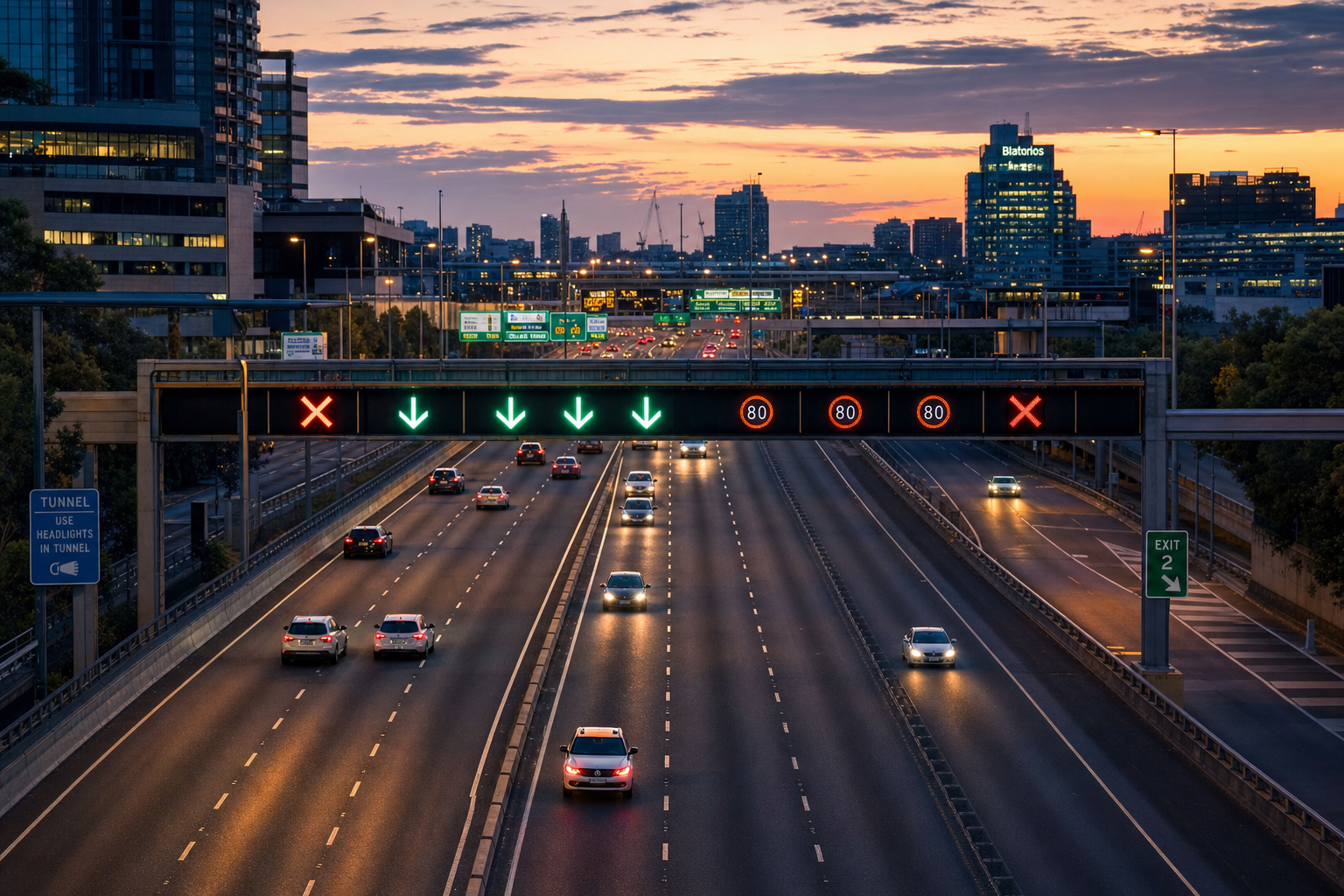
Understanding Flex Lanes: The Logic and Regulation of Dynamic Highways
5 min read
The modern highway is no longer just a static stretch of asphalt. As urban populations grow and traffic congestion becomes a daily hurdle, transportation departments have turned to more sophisticated solutions to keep vehicles moving. One of the most effective, yet often misunderstood, tools in this arsenal is the "flex lane."
Also known as managed lanes, express lanes, or dynamic shoulder lanes, flex lanes represent a shift from building more roads to managing existing ones more intelligently. To the average driver, a flex lane might look like a regular lane that occasionally closes, or a shoulder that suddenly becomes a travel lane during rush hour. However, behind those shifting signs is a complex framework of operational logic designed to balance safety, speed, and efficiency.
What Are Flex Lanes?
At their core, flex lanes are highway lanes where the operational status changes based on real-time conditions. Unlike a standard travel lane that is always open to all legal traffic, a flex lane is "managed." This management can take several forms:
- Hard Shoulder Running: Using the emergency shoulder as a travel lane during peak congestion.
- Reversible Lanes: Changing the direction of travel in a central lane to accommodate "tidal" traffic flows (into the city in the morning, out in the evening).
- Dynamic Pricing: Opening lanes to those willing to pay a variable toll that fluctuates based on how crowded the road is.
- High-Occupancy Access: Reserving specific lanes for carpools, vanpools, or buses during certain hours.
Because these lanes are so fluid, they don't always fit into the traditional boxes of traffic law. In many jurisdictions, the "rules" for these lanes aren't found in a static permit application or a permanent regulation book. In fact, current data shows zero specific permits or formal regulations recorded for this category in many administrative databases. This doesn't mean the lanes are a free-for-all; rather, it indicates that their use is governed by real-time operational status rather than a traditional regulatory or permit-based framework.
Why the Rules Feel Different
If you were to look for a "Flex Lane Permit," you likely wouldn’t find one. This is because the "permission" to use these lanes is usually granted in real-time by overhead electronic signs or through the possession of a standard toll transponder.
The absence of a traditional regulatory count highlights a key trend in transport: the move toward "active traffic management." Instead of a lawmaker passing a statute for a specific lane, an engineer sets a computer algorithm to open or close that lane based on sensor data. The "rule" exists for only as long as the digital sign says "OPEN."
Key Factors That Shape Flex Lane Usage
While you may not need a specific permit to enter a flex lane, your ability to use one—and whether it is even available—is determined by several critical factors. These factors ensure that the highway remains safe and that the lane actually provides the time-savings it promises.
1. Gross Vehicle Weight and Size
One of the most significant physical constraints on flex lanes is the size of the vehicle. Many flex lanes are repurposed shoulders. While these shoulders are built to hold the weight of a vehicle in an emergency, they may not be wide enough or structurally reinforced enough to handle a constant stream of heavy freight trucks. Consequently, you will often see restrictions based on gross vehicle weight. Heavy-duty trucks are frequently barred from flex lanes to prevent premature road wear and to ensure that there is enough "buffer" space for smaller passenger vehicles.
2. Traffic Density and Flow
The primary goal of a flex lane is to maintain a "minimum operating speed." If a managed lane becomes just as congested as the general-purpose lanes, it has failed its purpose. Operators monitor traffic density—the number of cars per mile—using sensors embedded in the pavement or cameras overhead. When density reaches a certain threshold, the "rule" for the lane might change instantly: the price might go up to discourage new entries, or the lane might transition to "HOV only" to prioritize high-capacity vehicles.
3. Occupancy Requirements
To encourage more efficient use of road space, many flex lanes use occupancy as a gatekeeper. During peak hours, a lane might be restricted to vehicles with two or more (or sometimes three or more) passengers. In these cases, the "regulation" is tied to the number of people in the car. This is a primary factor in reducing the total number of vehicles on the road while moving the same number of people.
4. Time of Day and Peak Travel Periods
Flex lanes are often part-time tools. The logic here is simple: if the road isn't crowded, there’s no need to use the shoulder or charge a toll. Most flex lanes operate on a schedule that mirrors the local commute. Outside of these windows, the lanes often revert to their original purpose as emergency shoulders or remain closed for maintenance.
The Role of Regional Geography
The "why" behind a flex lane often depends on where it is located. In dense urban corridors where there is no physical room to widen a highway, flex lanes are a "last resort" for adding capacity. In these areas, regulations are often stricter, and enforcement via camera is more common.
In more sprawling suburban areas, flex lanes might be used primarily as an incentive for carpooling. Here, the factors shaping the rules are less about physical space and more about environmental goals and reducing carbon emissions by encouraging shared rides.
Safety: The Non-Negotiable Factor
The reason flex lanes are so tightly managed—and why they can be closed in an instant—is safety. Because these lanes often lack the standard "breakdown" space of a traditional highway lane, they require a higher level of oversight.
If a vehicle stalls in a flex lane that is currently active, the entire system must react. Operators use "incident detection" technology to spot stopped vehicles, immediately changing the digital signage to move traffic out of that lane. This is why you will rarely see these lanes governed by static, long-term permits; the system must be as dynamic as the traffic it manages.
Conclusion
Flex lanes represent the future of the "smart highway." While the current regulatory landscape shows a lack of traditional permits or fixed rules, this is a reflection of how advanced these systems have become. They are governed by data, sensors, and real-time engineering decisions rather than old-fashioned paperwork.
By understanding factors like gross vehicle weight, occupancy requirements, and the necessity of maintaining traffic flow, drivers can better navigate these lanes. They aren't just extra pavement; they are a sophisticated service designed to shave minutes off a commute and make the most of the limited space available on our modern infrastructure. As transportation technology continues to evolve, we can expect the logic of the flex lane to become the standard for how we move through our most congested corridors.