Understanding the Landscape of Feed and Livestock Transport Permits
5 min read
The transportation of animal feed and livestock is a specialized pillar of the agricultural supply chain. It is an industry that operates at the intersection of animal welfare, road safety, and economic necessity. To the casual observer, a truck hauling grain or cattle looks like any other heavy vehicle on the highway. However, behind the scenes, a specific framework of permits and requirements dictates how these loads move across the country.
Understanding the "why" behind these rules is essential for anyone involved in agribusiness or logistics. Regulations aren't just bureaucratic hurdles; they are designed to balance the physical limits of our infrastructure with the urgent biological needs of the animals being fed and raised.
The Balancing Act of Agricultural Transport
In the United States, the movement of goods is generally governed by standard weight and size limits to prevent the premature degradation of roads and bridges. However, the agricultural sector often requires more flexibility. This is particularly true for "divisible loads"—materials like animal feed that can be easily separated or divided into smaller shipments.
Under normal circumstances, transportation authorities are hesitant to grant overweight permits for divisible loads because, theoretically, the carrier could simply use two trucks instead of one to stay under weight limits. Yet, in the world of feed and livestock, efficiency is a matter of survival. This is why specialized permits exist. According to recent data from authoritative sources, the regulatory landscape for this specific niche is highly streamlined but strictly enforced. In the United States, for instance, the framework relies on a single, binding permit rather than a complex web of overlapping national regulations.
Why Rules Focus on Permits Over Regulations
It may seem surprising that there are zero general "regulations" listed for this specific category compared to one primary permit. In regulatory language, this distinction is important. A "regulation" often refers to a broad, standing law that applies to everyone at all times. A "permit," however, represents a specific grant of authority—an exception to the standard rules that allows a transporter to carry more weight or operate differently, provided they meet certain criteria.
Because the movement of feed involves "must-follow" requirements (the highest level of binding modality), the permit acts as a contract between the transporter and the state. If you want to take advantage of the exemptions—such as hauling heavier loads of divisible feed—you must adhere to the specific conditions outlined in that permit.
The Three Key Factors of Compliance
When applying for or operating under a feed transport permit, three primary factors determine whether the rules apply to you and how you must behave on the road.
1. The Specific Type of Feed Certificate
The first factor is the nature of the permit itself. Not all agricultural certificates are created equal. The rules change based on the specific type of feed certificate a driver or company is applying for. These certificates are designed to ensure that the material being hauled is indeed essential animal nutrition and not a different commodity trying to bypass standard weight limits. The permit acts as a credential that verifies the necessity of the shipment.
2. The Total Weight of the Load
Weight is perhaps the most critical factor in all of heavy transport. In the context of feed and livestock, the gross vehicle weight—the combined weight of the truck, the trailer, and the cargo—is scrutinized closely.
Roads are engineered to withstand specific "axle loads." When a vehicle exceeds these limits, the damage to the pavement increases exponentially. However, because feed is a low-margin, high-volume commodity, the ability to carry a few extra thousand pounds can be the difference between a farm being profitable or falling into the red. The permit system allows for these heavier loads while directing those vehicles to stay on routes designed to handle the extra stress.
3. Vehicle Configuration and Type
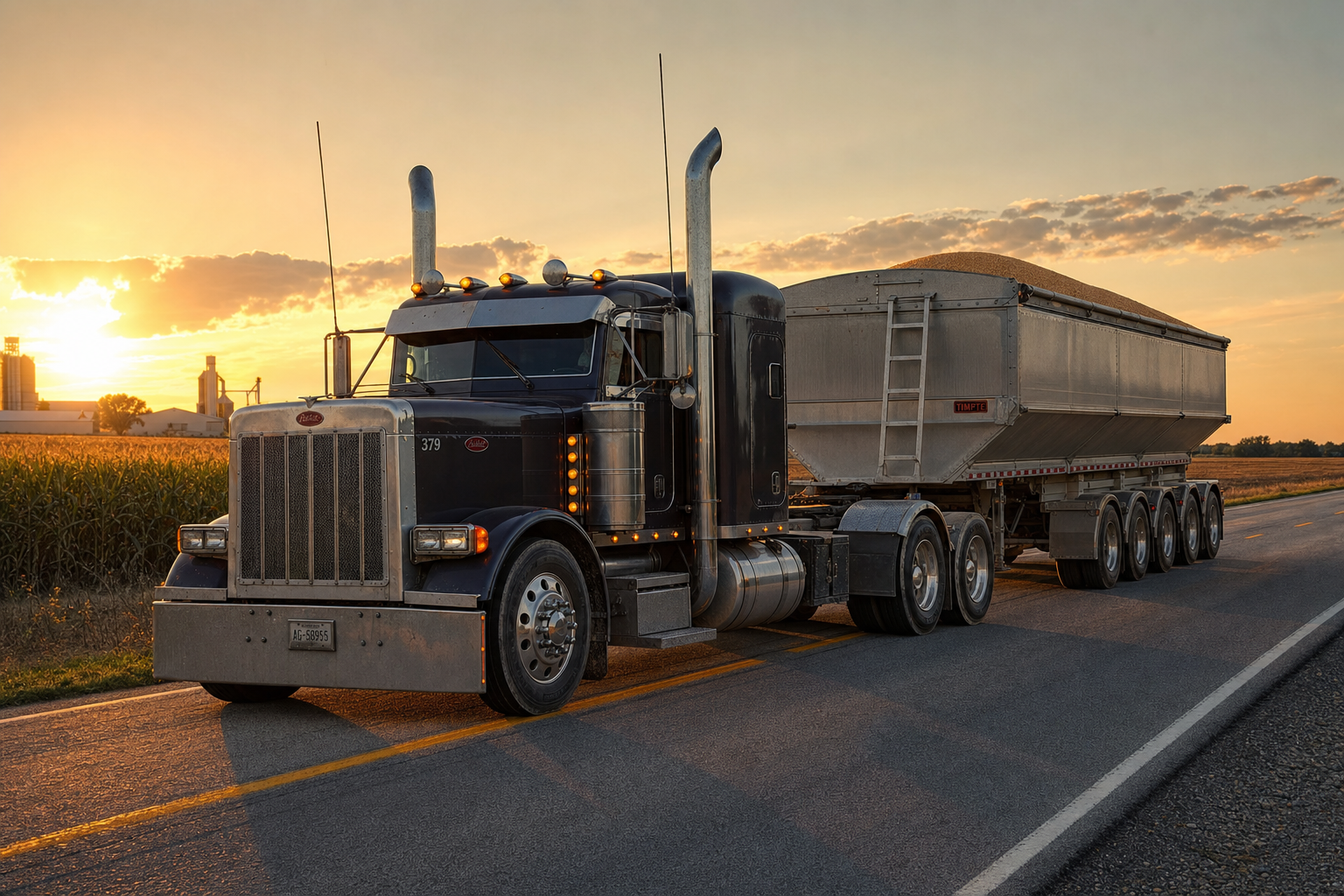
The third factor involves the physical makeup of the transport vehicle. It isn't just about how much the load weighs, but how that weight is distributed across the pavement. This is determined by the vehicle configuration—the number of axles, the spacing between them, and the type of trailer being used.
A truck with more axles can often carry a heavier total weight because the pressure exerted on any single point of the road is reduced. When applying for feed transport permits, authorities look at the specific configuration of the fleet to ensure that the vehicle is physically capable of hauling the intended load safely without causing undue risk to the public or the infrastructure.
The Regional Context: A United States Perspective
The data indicates that this specific permit-heavy structure is currently the standard within the United States. In the American context, the federal government sets baseline standards for the Interstate Highway System, but individual states often have the power to issue permits for heavier loads on their own roads.
This creates a system where the "1 permit" mentioned in the data becomes the golden ticket for agricultural transporters. It serves as a localized solution to a national challenge: how to keep the food supply moving without destroying the very roads that the food travels upon.
Safety and Integrity in the Supply Chain
While the requirements are strict—categorized by a "must" modality—they are non-alarmist in nature. They exist to provide a predictable environment for commerce. When a driver operates within the bounds of their feed certificate, they are contributing to a system that prioritizes:
- Infrastructure Longevity: By managing weights and vehicle configurations, the state ensures that bridges and highways remain safe for all drivers for decades to come.
- Economic Predictability: By offering a clear permit process for divisible feed loads, the government provides agricultural businesses with a reliable way to calculate their logistics costs.
- Animal Welfare: Efficient feed transport ensures that livestock operations receive the nutrients they need on time, preventing shortages that could impact animal health.
Conclusion
The transportation of feed and livestock is a highly specialized field where the rules are few but the impact is significant. By focusing on a single, binding permit system, authorities are able to manage the complexities of gross vehicle weights and vehicle configurations without drowning the industry in redundant red tape.
For those navigating this space, success lies in understanding the specific requirements of your feed certificate. These rules are the "guardrails" of the industry—they ensure that while the loads are heavy and the stakes are high, the journey from the mill to the farm is safe, legal, and efficient.