Understanding the Rules of the Water: Why Ferry Regulations and Permits Matter
5 min read
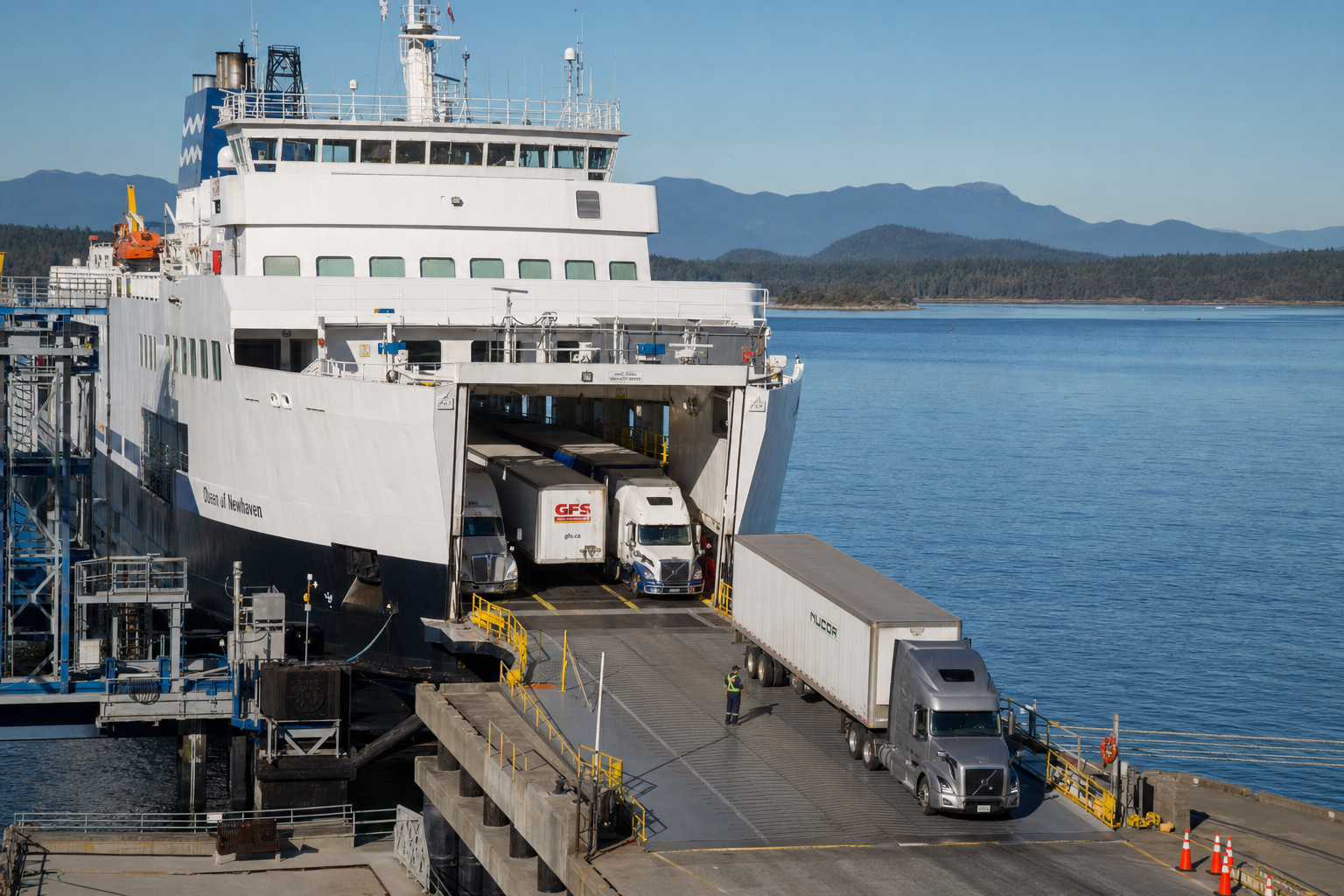
For most travelers, a ferry is a scenic break from the monotony of the highway—a chance to step out of the car, catch a breeze, and watch the coastline recede. But from an operational and safety perspective, a ferry is a complex piece of infrastructure. It is a "mobile bridge" that must balance the heavy, diverse loads of terrestrial traffic with the delicate stability and safety requirements of a seafaring vessel.
Because a ship is a confined environment where emergency services cannot simply drive up to a scene, the rules governing what can board and how it must be handled are stringent. Understanding the factors that shape these regulations and permits helps demystify why certain vehicles are waved through while others require extensive paperwork.
The Regulatory Landscape: A Balance of "Must" and "Must Not"
Across North American marine transport links, there are currently six primary rules derived from two authoritative sources that dictate how vehicles and cargo interact with ferry services. These rules are split into two categories: regulations and permits.
Regulations are generally broad, standing rules that apply to everyone, while permits are specific authorizations required for loads that fall outside the "standard" envelope. Interestingly, the data shows that the majority of these rules—four out of six—are framed as "must not" requirements. Only two are framed as "must" requirements.
This 4-to-2 ratio highlights a fundamental truth about marine safety: it is often more important to define what is prohibited to prevent a catastrophe than it is to mandate specific actions. On a ship, the priority is risk mitigation. By establishing clear "must not" boundaries, authorities ensure that the most dangerous scenarios—such as overcrowding a deck or carrying unstable hazardous materials—are avoided entirely.
Key Factors: What Determines the Rules?
Regulations don't exist in a vacuum; they are triggered by the specific physical characteristics of a vehicle or its cargo. While many people assume that weight is the primary concern for a boat, the data suggests that physical dimensions and the nature of the cargo are the most frequent triggers for regulatory oversight in this category.
The Width of the Cargo
The most common factor shaping ferry rules is the width of the cargo being transported. It appears as a determining factor in two of the six rules.
On a standard highway, an extra foot of width might mean driving carefully or requiring a "wide load" sign. On a ferry, width is a matter of basic geometry and safety. Ferry decks are divided into rigid lanes, often separated by structural pillars or narrow walkways. If a vehicle is too wide, it doesn't just "take up more room"—it can physically block the lanes next to it or, more critically, obstruct the emergency egress routes for passengers. Because ships must be able to be evacuated quickly in an emergency, keeping these paths clear is a non-negotiable safety requirement.
The Presence of Hazardous Materials
The second major factor is whether the load contains hazardous materials. Safety on a ship is dominated by one primary fear: fire. Unlike a fire on an open road, a fire on a vessel occurs in a closed environment with limited escape routes and the added complication of being surrounded by water (which, ironically, can cause a ship to capsize if too much is pumped into the hull by fire hoses).
Because of this, the rules surrounding hazardous materials are some of the most strictly enforced. These rules determine not just if a vehicle can board, but where it must be parked (often at the stern where ventilation is best) and sometimes even when it can travel (such as on freight-only sailings with limited passenger counts).
The Total Length of the Vehicle
Finally, the total length of the vehicle and its cargo plays a significant role in rule application. Ferry ramps and internal decks have specific "turning circles." A vehicle that is too long may find it impossible to navigate the ramp without bottoming out or may be unable to make the tight turns required to park in the assigned lane. Furthermore, deck space is a finite resource. Length-based rules help operators manage capacity, ensuring that the vessel isn't over-extended and that the weight is distributed evenly from bow to stern to maintain the ship's trim.
Regional Differences: Québec and the Broader North American Context
The way these rules are applied varies significantly depending on where you are traveling. The regional breakdown reveals a distinct difference in administrative styles between Québec and the rest of the United States and Canada.
The Québec Model
In Québec, the focus is heavily weighted toward the permit system. There are three permits identified for this region and zero general regulations in this specific data set. This suggests a highly tailored approach where large or specialized loads are handled on a case-by-case basis through an authorization process. If you are moving heavy machinery or oversized cargo through Québec’s ferry system, the permit is your "key" to the deck, ensuring that the operator has reviewed your specific dimensions and cargo type before you arrive at the dock.
The United States and Canada
Conversely, the broader United States and Canada regional category shows a mix of two regulations and one permit. This suggests a more standardized regulatory environment where certain rules apply across the board to all operators, supplemented by a permit process for exceptional cases. This dual approach helps maintain a baseline of safety across various jurisdictions while still allowing for the movement of specialized equipment when necessary.
Why Do These Rules Exist?
It is easy to view permits and regulations as "red tape," but in the context of marine transport, they are essential safety checks. They exist to solve three main problems:
- Stability: Ships must stay upright. By knowing the length and width of the vehicles on board, crews can calculate the "center of gravity" and ensure the boat remains stable even in rough seas.
- Access: In the event of an emergency, crew members and passengers need to move freely. Rules regarding vehicle width ensure that no vehicle becomes a literal wall that prevents people from reaching lifeboats.
- Containment: By identifying hazardous materials before they board, ferry operators can take proactive steps to ensure that any potential leak or fire is managed before it can threaten the entire vessel.
Final Thoughts
The next time you see a ferry worker measuring a truck or checking a manifest for hazardous materials symbols, remember that they are navigating a complex web of six primary rules designed to keep the journey safe for everyone. Whether it is a permit required in Québec or a general regulation applied across the United States and Canada, these rules are grounded in the physical realities of the ship—its width, its length, and its ability to handle dangerous goods.
By respecting these boundaries, transport companies and private travelers alike ensure that the ferry remains one of the safest and most reliable links in our modern transportation network. This educational background is meant to help you understand the "why" behind the process, ensuring a smoother journey for all who travel by water.