Navigating the Rules of Forestry Product Transport: A Guide to Permits and Regulations
5 min read
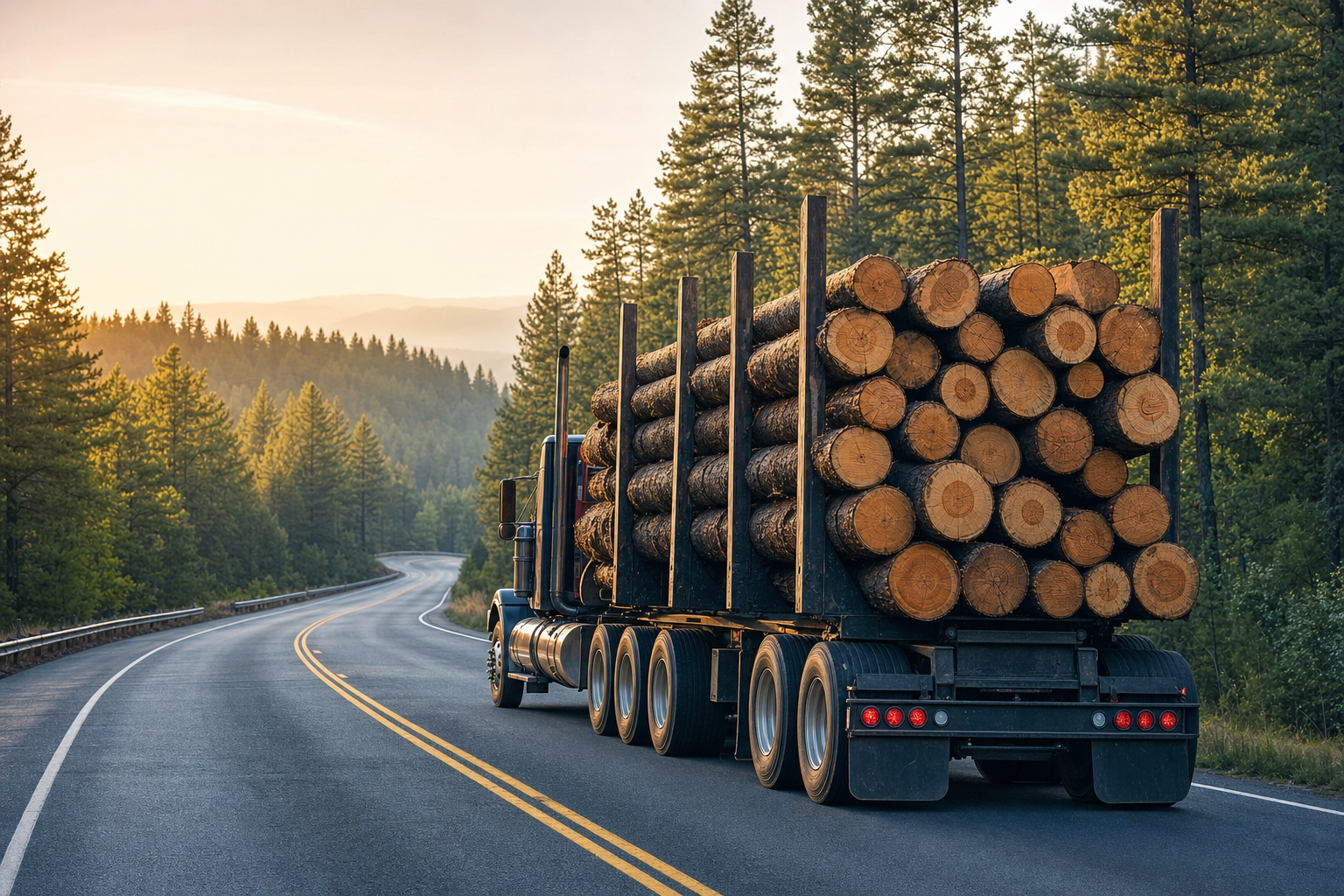
The forestry industry is a cornerstone of the economy, providing the raw materials for everything from the paper in our notebooks to the timber in our homes. However, the journey from the forest floor to the mill involves more than just a truck and a trailer. Transporting raw forest products—such as massive logs, wood chips, and pulpwood—is a complex logistical challenge that is governed by a specific set of rules.
To the casual observer, a logging truck is simply a heavy vehicle on the road. To the operator and the regulatory bodies overseeing them, that truck represents a carefully balanced equation of weight, dimensions, and infrastructure protection. Understanding the "why" behind these rules is essential for anyone interested in how our natural resources move from the woods to the marketplace.
The Framework of Forestry Transport
In the world of transport, rules generally fall into two categories: regulations and permits. While they may seem interchangeable, they serve different functions.
A regulation is a standing rule that applies to everyone. It defines the "rules of the road" and sets the baseline for safety and operations. For example, a regulation might dictate that certain safety equipment must be used or that specific driving behaviors are prohibited. On the other hand, a permit is a form of special permission. It allows a vehicle to deviate from standard regulations—such as carrying a load that is wider than normally allowed—provided the operator meets specific conditions and often pays a fee to offset the increased wear and tear on the road.
Current data from authoritative sources indicates a very focused regulatory environment for forestry products. In a primary example of this oversight, we find a total of two rules: one regulation and one permit. This "one-to-one" ratio highlights how the industry often operates on a baseline of strict rules, with specific "safety valves" in the form of permits to handle the unique needs of hauling raw timber.
The Role of Highway Classification
One of the most significant factors determining which rules apply to a forestry load is the classification of the highway being used. Not all roads are built the same, and the rules reflect this reality.
State and local authorities categorize roads based on their construction, their intended use, and their ability to handle stress. For instance, an Interstate highway is designed with thick layers of concrete and wide lanes to handle high-speed, heavy-volume traffic. In contrast, a rural road leading away from a logging site might be narrower, with a thinner asphalt surface or even a gravel base.
The rules are often contingent on this classification because:
- Structural Integrity: Heavy loads of pulpwood can cause "fatigue cracking" in the pavement of roads not designed for such weight.
- Bridge Safety: Many older bridges on secondary roads have strict weight limits. Regulations ensure that heavy timber trucks do not cross structures that cannot support them.
- Traffic Flow: Large, slow-moving vehicles can create significant hazards on high-speed thoroughfares or extremely narrow winding roads.
In the regional context of Louisiana, this factor is a primary driver for how transport is managed. Because the state has a mix of dense forest lands and complex bayou-adjacent infrastructure, the type of highway permitted for travel determines whether a driver is in compliance or in violation of the law.
Managing the Width of the Load
Forestry products are rarely uniform. Unlike palletized freight in a van trailer, logs and raw timber are irregular in shape and size. This makes the width of the load—and the vehicle carrying it—a critical factor in the regulatory landscape.
Standard lane widths on most American highways are 12 feet. If a logging truck or its load exceeds a certain width, it begins to encroach on the space of other drivers. This is why load width is a key trigger for both regulations and permits.
When a load is considered "oversize" in terms of width, the rules shift from "must" to "must not." For example, a regulation might state that a vehicle must stay within a certain width to operate without a permit. Conversely, a permit might dictate that an oversized load must not travel during certain times of day (like sunset to sunrise) to ensure visibility and safety for other motorists.
Regulating width isn't just about lane space; it’s about "swing clearance." When a long logging truck turns a corner, the rear of the load or the trailer itself may swing wider than the truck’s front path. Rules regarding width help mitigate the risk of these vehicles striking signs, utility poles, or other vehicles during maneuvers.
Why These Rules Exist: Safety and Sustainability
The modality of these rules—the "musts" and "must nots"—paints a picture of an industry where safety is non-negotiable. With one "must" and one "must not" identified in the core regulatory data for this sector, the balance is clear: you must follow the safety protocols, and you must not exceed the limits that protect the public and the infrastructure.
Protecting the Public
The primary reason for these rules is human safety. A logging truck carrying tens of thousands of pounds of raw timber has a much longer stopping distance than a passenger car. By regulating the routes (highway classification) and the size (width), authorities reduce the likelihood of catastrophic accidents.
Preserving Infrastructure
Taxpayer-funded roads are expensive to build and maintain. Logging is often a seasonal or high-intensity activity in specific regions. Without regulations, the heavy traffic of a single harvest season could destroy a local road system that was intended to last for decades. Permits help manage this by ensuring that the vehicles used are appropriate for the roads they travel and that the operators are accountable for the impact they have on the pavement.
Regional Spotlight: Louisiana
Louisiana serves as a primary example of how these factors converge. In Louisiana, the regulatory landscape for forestry transport is balanced between a single regulation and a single permit. This suggests a streamlined approach: there is a clear standard for how timber should be moved, and a clear path for when those loads need to exceed standard dimensions.
The emphasis in this region often centers on the specific classification of the highways. Because Louisiana's geography includes many bridges and soft-soil areas, the rules regarding where these heavy loads can travel are strictly enforced. By tying the rules to the type of road, the state ensures that the economic benefits of the timber industry do not come at the expense of a crumbling transportation network.
Conclusion
Understanding the regulations and permits of forestry product transport is about more than just reading a list of numbers. It is about understanding the relationship between a heavy, irregular load and the road beneath it.
While factors like the number of axles on a truck or the total gross vehicle weight are common considerations in the broader transport world, the forestry sector places a premium on where you drive (highway classification) and how wide your load is. These rules ensure that as we move the materials necessary for our modern lives, we do so in a way that is safe for every driver on the road and sustainable for the infrastructure we all share.