Navigating the Road: Understanding Commercial Trip and Fuel Permits
5 min read
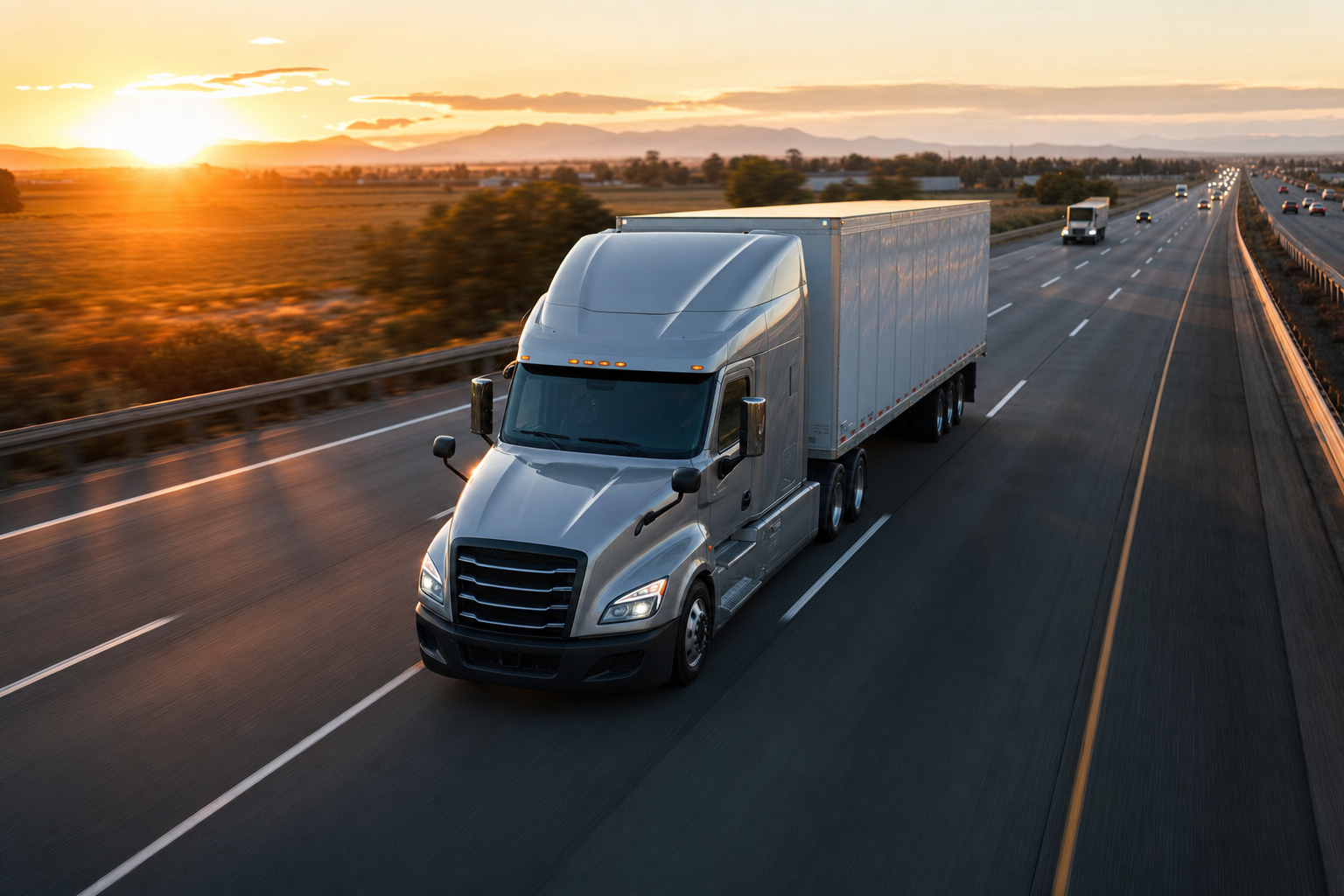
When you see a massive tractor-trailer cruising down the highway, you are looking at more than just a vehicle moving goods. You are looking at a complex mobile entity that must comply with a web of regional, national, and international agreements. For the average driver, crossing a state or provincial border is as simple as driving past a "Welcome" sign. For commercial vehicle operators, however, that border represents a shift in tax jurisdictions and infrastructure responsibilities.
This is where trip and fuel permits come into play. These temporary authorizations are the "guest passes" of the trucking world. They allow vehicles that are not permanently registered in a specific area to travel through it legally, ensuring that the heavy wear and tear they cause on the roads is paid for fairly.
Understanding why these rules exist and what triggers them is essential for anyone interested in the logistics of transport. While a snapshot of current data might show zero active regulations or permits in a specific narrow dataset, the framework governing these requirements is a pillar of the transportation industry.
The Purpose of the Permit System
Roads are expensive to build and even more expensive to maintain. Commercial vehicles, due to their immense weight, cause significantly more wear on pavement than a standard passenger car. To manage this, most commercial carriers register through two major cooperative agreements: the International Registration Plan (IRP) and the International Fuel Tax Agreement (IFTA).
These agreements allow a carrier to register in one "home" base and have their fees distributed to all the other states or provinces they drive through. However, not every vehicle is registered this way. Some may only make an occasional trip out of their home state, while others might be new vehicles being delivered to a buyer.
When a vehicle is not part of IRP or IFTA, it cannot simply cross lines without permission. Trip and fuel permits serve as the solution, providing a short-term way to satisfy the legal requirements of a jurisdiction without the need for full, permanent registration.
The Defining Factors: Weight and Axles
What determines if a truck needs a permit? It usually comes down to the physical characteristics of the vehicle and how those characteristics impact the road. Two primary factors shape the majority of these regulations.
Gross Vehicle Weight
The most common trigger for a permit is the gross vehicle weight. In the world of transport regulation, there is a "tipping point" where a vehicle moves from being a light-duty truck to a heavy commercial vehicle. In many jurisdictions, this threshold is 26,000 pounds (approximately 11,794 kilograms).
Once a vehicle exceeds this weight, it is considered heavy enough to require a contribution to the road maintenance funds of the state or province it is entering. If the vehicle is not registered under a multi-state agreement, the operator must purchase a temporary trip permit to cover the weight-related registration fees for a set period, often ranging from 72 to 96 hours.
Axle Counts
While total weight is important, how that weight is distributed is equally vital. This is why axle counts are a key factor in permit requirements. A vehicle with only two axles might carry a certain load, but once a vehicle moves to three or more axles, it is almost universally classified as a heavy commercial vehicle regardless of its current cargo weight.
More axles generally mean a larger vehicle capable of carrying more significant loads. Regulators use axle counts as a quick, objective way to categorize vehicles. Even if a three-axle truck is currently empty, its potential for road impact is high enough that it typically falls under the requirement for temporary permits when traveling outside its home jurisdiction.
The Two Halves of the Requirement: Trip vs. Fuel
It is important to distinguish between the two types of permits, as they cover two different financial obligations.
- Trip Permits: These are essentially temporary registration tags. They replace the "license plate" fee for the duration of the stay. They ensure that the jurisdiction is compensated for the use of its physical infrastructure.
- Fuel Permits: These are about taxes. Most jurisdictions fund road work through fuel taxes. If a truck has a massive tank and fills up in one state but drives 500 miles through another, the second state loses out on that tax revenue. A fuel permit acts as a temporary tax payment, ensuring the state gets its fair share of revenue based on the miles driven within its borders, even if the driver didn't stop to buy fuel there.
Why the Rules Vary Regionally
If you were to look at a breakdown of these rules by region, you would find a patchwork of specifics. Some states are "bridge states" with high volumes of through-traffic but fewer local deliveries; these states often have very strict enforcement to ensure they aren't subsidizing the transit of goods that never benefit their local economy.
Other regions might have different weight thresholds based on the age or design of their highway systems. In mountainous regions, the stress on the road is different than in flat plains, leading to nuances in how weight and axle counts are calculated. While our current count shows zero specific permits in this immediate data set, the underlying necessity remains: every jurisdiction needs a way to account for the impact of heavy vehicles on their specific geography.
The Regulatory Landscape
The fact that a data snapshot might show zero regulations and zero permits at a given moment does not mean the transport world is a free-for-all. Rather, it often indicates that the industry has reached a point of high standardization. Most commercial transport is handled through the permanent IRP and IFTA systems, making the need for "one-off" permits a secondary, though vital, safety net.
These rules exist to create a level playing field. Without them, a company could register all its trucks in a state with no fees and drive them across the entire continent for free, leaving other taxpayers to foot the bill for broken pavement and crumbling bridges.
Summary for the Informed Traveler
For those looking to understand the "why" behind the paperwork, remember that trip and fuel permits are instruments of fairness. They are shaped by:
- Vehicle Mass: Using gross vehicle weight to determine the physical impact on the road.
- Vehicle Design: Using axle counts to categorize the potential for heavy hauling.
- Economic Equity: Ensuring fuel taxes are distributed where the miles are actually driven.
While the administrative side of transport can seem daunting, the goal is simple: keeping the roads functional and ensuring that those who use them most heavily contribute their fair share to their upkeep. Whether you are an operator or an interested observer, understanding these thresholds—like the common 26,000-pound limit or the move from two to three axles—demystifies the logic of the heavy-duty highway.