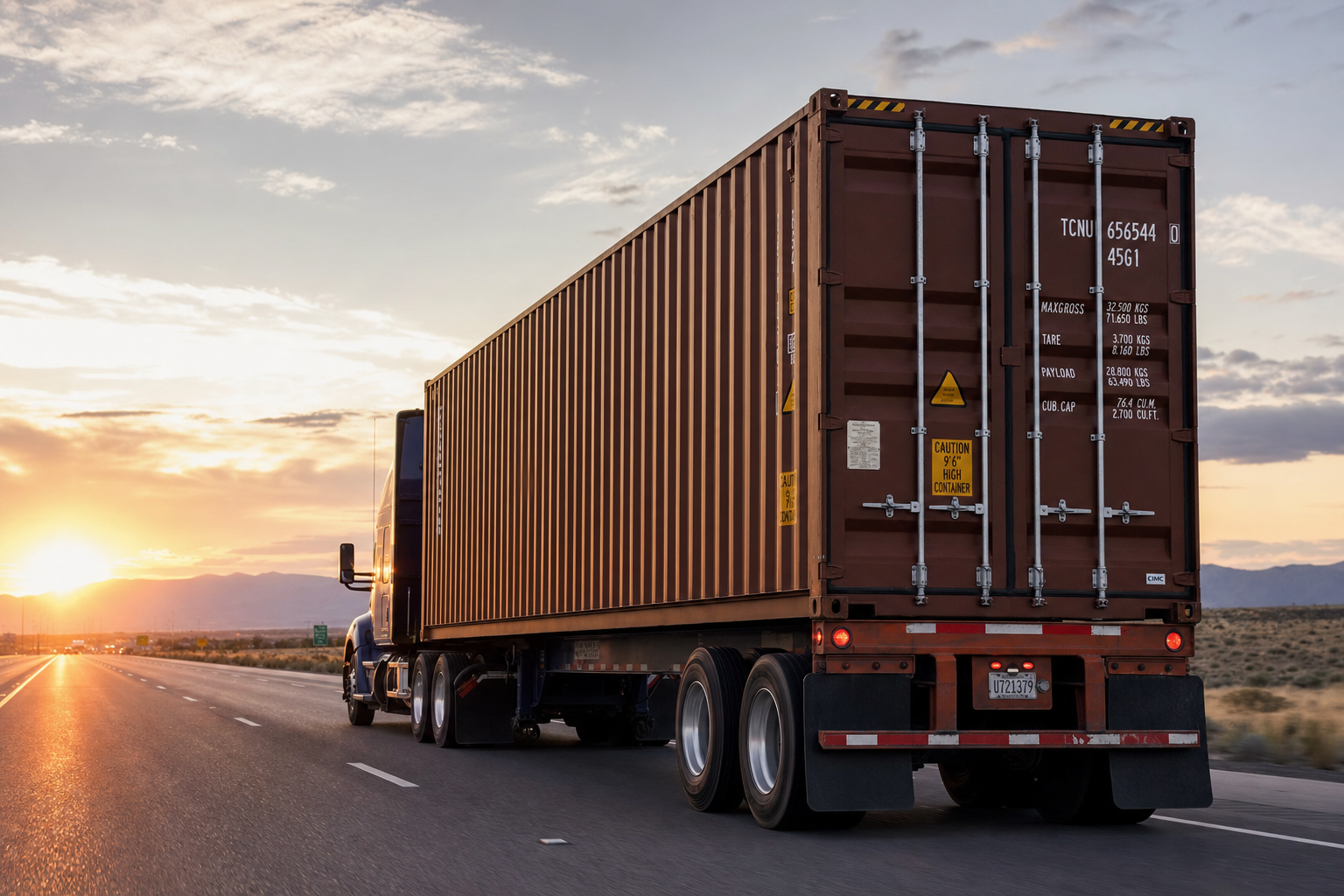
The Logic of the Box: Understanding Shipping Container Transport Rules
5 min read
Shipping containers are the unsung heroes of the modern economy. These standardized steel boxes allow a television made in Asia to travel by ship, rail, and truck to a living room in the Midwest without the contents ever being touched by human hands. However, once that container leaves the controlled environment of a port or a rail yard and enters the public highway system, it becomes subject to a complex web of transport regulations.
Understanding why these rules exist is the first step in navigating the logistics landscape. Whether you are dealing with a standard sealed container or a specialized flat rack, the regulations governing their movement are not arbitrary. They are designed around a few core pillars: public safety, infrastructure preservation, and environmental protection.
The Foundation of Transport Regulation
At the most basic level, transport rules exist because public roads were not originally designed to handle the massive, concentrated loads that modern shipping containers represent. A fully loaded 40-foot container can weigh as much as several dozen passenger cars combined, and that weight is concentrated into a relatively small footprint.
Because the data shows a diverse range of local, state, and federal requirements, it is helpful to think of these rules not as a single list, but as a sliding scale. The more your container deviates from the "standard" size and weight of a typical vehicle, the more likely you are to encounter a permit requirement.
Why Permits Matter
A permit is essentially a contract between the transporter and the government. By issuing a permit, the authorities are saying, "We know this load is heavier or larger than usual, and we have determined that if you follow this specific route at this specific time, you won't break the road or cause an accident."
When regulations are absent or permits aren't required, it is usually because the load fits within the "envelope" of standard safety—meaning it can cross most bridges and fit under most overpasses without special intervention.
Key Factors That Shape the Rules
Several physical characteristics of a container shipment determine which rules apply. While specific counts of regulations vary by jurisdiction, the following factors are the universal drivers of transport policy.
Gross Vehicle Weight
The most significant factor in any transport regulation is the gross vehicle weight. This is the total weight of the truck, the trailer, the container, and the cargo combined. Roads and bridges have "fatigue lives." Every time a heavy load passes over them, it causes a tiny amount of microscopic damage.
To manage this, authorities set weight limits. If a shipping container is packed too densely, it may exceed the standard legal limit for the vehicle's axle configuration. This is why "overweight" permits are among the most common requirements in the transport sector. These permits often fund the extra maintenance required for the roads the heavy loads travel upon.
Dimensions: Height, Width, and Length
Standard shipping containers are designed to fit perfectly within the lanes of a highway. However, the transport of "flat rack" containers often changes this dynamic. A flat rack is essentially a container without side walls or a roof, used for oversized cargo like heavy machinery or industrial pipes.
If the cargo on a flat rack sticks out past the sides of the trailer (over-width) or stands taller than a standard container (over-height), it triggers a new set of safety regulations. These rules exist to ensure the driver doesn't strike a bridge or clip an oncoming vehicle in a narrow lane.
The Nature of the Container: Sealed vs. Open
The distinction between a sealed container and an open-platform container like a flat rack is also a regulatory trigger.
- Sealed Containers: These are generally easier to regulate because their dimensions are predictable. The primary concern here is weight distribution and "load securement"—ensuring the box is locked onto the chassis.
- Flat Rack and Open Containers: These require more scrutiny. Because the cargo is exposed, authorities focus heavily on how that cargo is tied down. Wind resistance, center of gravity, and the potential for debris to fall onto the road are all factors that shape the permits for these units.
The Regional Landscape
One of the most challenging aspects of container transport is that regulations change as you cross borders. What is perfectly legal in one province or state might require a specialized permit in the next.
This regional variation exists because infrastructure is not uniform. A state with many aging, arched stone bridges will have much stricter height and weight regulations than a state with modern, flat interstate highways. Similarly, mountainous regions may have length restrictions to ensure that long trailers can safely navigate "hairpin" turns without swinging into the opposite lane.
While our current overview shows that specific permit counts are determined by local authoritative sources, the underlying logic remains: the older or more congested the infrastructure, the more "rules" you are likely to find.
The Role of Safety and Escorts
When a container shipment is significantly oversized or overweight, the regulations may move beyond simple paperwork. For the most extreme loads—often those involving flat racks with massive industrial components—the "permit" might require "pilot cars" or "escort vehicles."
These rules are shaped by the need to warn other motorists. An oversized container might need two lanes to turn a corner or might need to travel at a much slower speed than the rest of traffic. By requiring escorts, regulators are mitigating the risk that the sheer size of the container creates for the general public.
Planning for Compliance
For those involved in the logistics of shipping containers, it is important to view these regulations as a roadmap for a successful delivery rather than a bureaucratic hurdle. Because the factors—weight, dimensions, and route—are known in advance, the "regulatory burden" can be calculated and managed.
The goal of these rules is a "zero-incident" transport environment. By keeping heavy loads on the strongest roads and keeping wide loads away from narrow bridges, authorities ensure that the global supply chain remains both efficient and safe for everyone on the road.
In summary, while the specific number of permits or regulations can vary based on your specific location and the authoritative sources governing that region, they are all built on the same foundation. If you understand the gross vehicle weight and the physical dimensions of your container, you already understand the primary factors that will determine your regulatory journey. By respecting the "why" behind these rules, shippers can ensure their cargo moves smoothly from the port to its final destination without unexpected stops.