Understanding the Framework of Long Combination Vehicle Regulations
4 min read
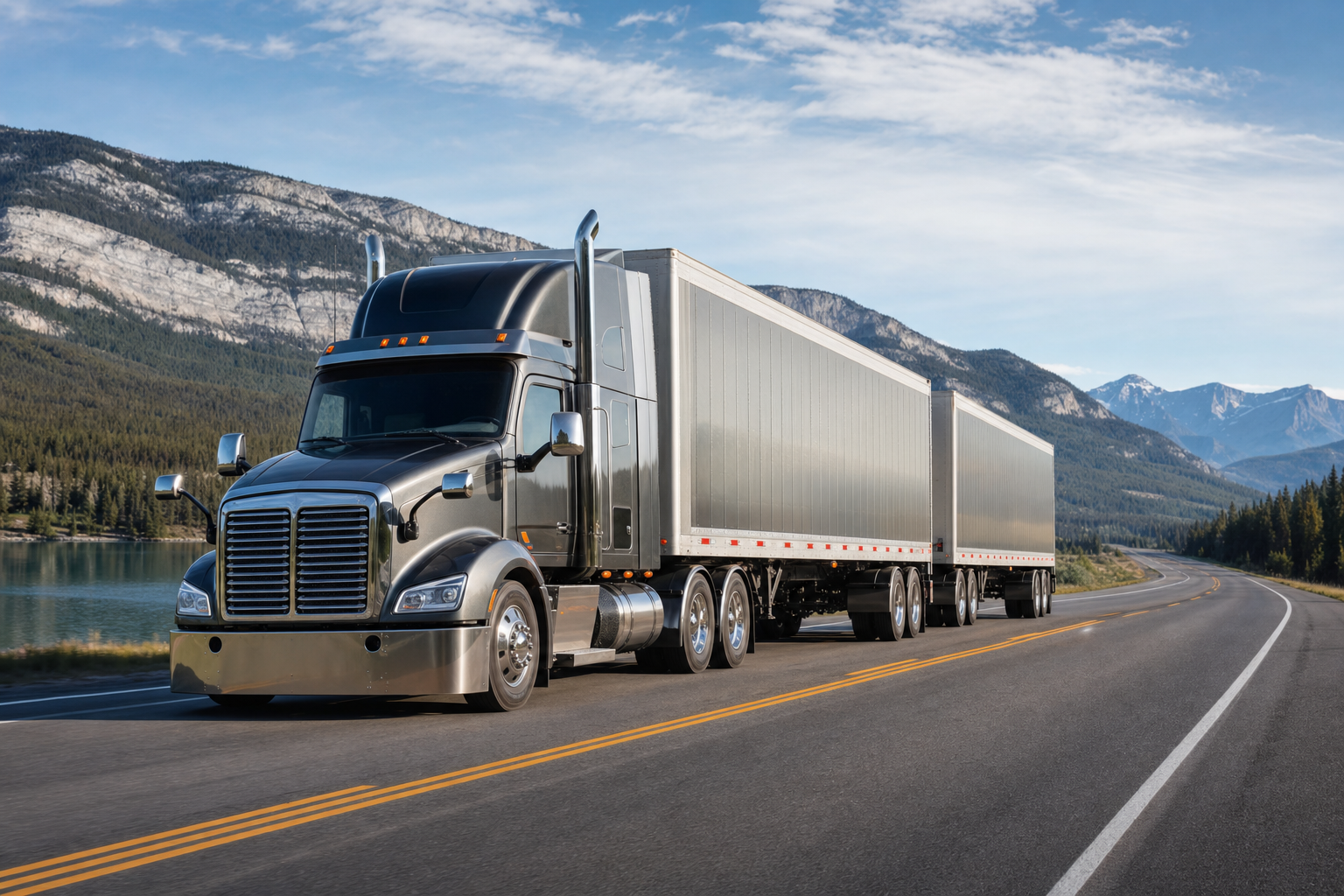
In the world of freight and logistics, efficiency is king. To move more goods with fewer engines and less fuel, the industry often turns to Long Combination Vehicles (LCVs). You may know them as "road trains" or simply as the exceptionally long twin-trailer units that cruise the highways of the Maritimes. Because these vehicles are significantly larger and heavier than a standard tractor-trailer, they operate under a specialized set of rules designed to balance economic productivity with public safety.
In the regions of New Brunswick and Nova Scotia, the regulatory landscape for LCVs is shaped by 20 specific rules derived from three authoritative sources. These include 19 formal regulations and one specific permit requirement. Understanding why these rules exist—and the factors that trigger them—is essential for anyone looking to understand how heavy transport moves through the region.
The Logic of LCV Oversight: Must vs. Must Not
When looking at the total count of 20 rules, there is a telling split in how they are applied. There are 8 "must" requirements—proactive steps an operator must take—and 12 "must not" restrictions.
This ratio highlights the philosophy of LCV oversight: it is a "restrictive" framework. Because LCVs occupy more space on the road and require longer stopping distances and wider turning radii, the regulations focus heavily on what these vehicles are forbidden from doing. These "must nots" act as guardrails, ensuring that these massive combinations only operate under the safest possible conditions.
The Primary Driver: Vehicle Configuration
The most significant factor determining which rules apply to a vehicle is the specific LCV configuration being used. This factor alone influences at least five of the core regulations in the region.
Not all "doubles" are created equal. The way trailers are hitched together fundamentally changes how the vehicle handles, tracks around corners, and stays stable at highway speeds. Common configurations include:
- A-Trains: These use a converter dolly (a small assembly with axles and a fifth wheel) to link two trailers. While versatile, they can be prone to "rearward amplification," where a small movement at the front of the truck becomes a larger sway at the very back.
- B-Trains: In this setup, the first trailer has an extension with a fifth wheel that the second trailer attaches to directly. This is generally the most stable configuration because it eliminates one of the pivot points found in an A-train.
- Stinger-Steer and Extended Singles: Specialized setups designed for specific types of cargo or weight distributions.
Regulations are tailored to these configurations because a rule that makes sense for a stable B-Train might be insufficient for the more complex dynamics of an A-Train. Authorities use these distinctions to set limits on where certain vehicles can travel and how they must be coupled.
The Role of the Converter Dolly
One specific rule in the regional framework is dedicated entirely to the repositioning of a converter dolly. When an LCV is "broken down" into smaller units, the dolly—the piece of equipment that allows two trailers to connect—often needs to be moved on its own or attached to the back of a single trailer.
Operating a truck with a lone dolly bouncing behind it creates unique safety challenges. They are lightweight and can be unstable on uneven pavement. Therefore, the regulations specify exactly when and how these components can be repositioned to ensure they don't become a hazard to other motorists when they aren't weighted down by a second trailer.
Weather and Environmental Factors
Driving a standard car in a heavy crosswind can be nerve-wracking; driving a vehicle that is nearly 40 meters long with a massive surface area is a different challenge entirely. Weather conditions are a critical factor in the LCV regulatory mix.
At least one major rule is triggered specifically by current or expected weather conditions along the route. If wind speeds exceed certain thresholds or if visibility and traction are compromised by snow or ice, LCV operations may be restricted or halted entirely. This is a common-sense safety measure: an LCV is much harder to recover from a skid than a smaller vehicle, and the "sail area" of two trailers makes them particularly vulnerable to being pushed out of their lane by sudden gusts.
Regional Differences: New Brunswick and Nova Scotia
While the two provinces share a similar approach to long-haul transport, there is a slight variation in how they manage the paperwork.
- New Brunswick: This province maintains a slightly larger regulatory footprint with 11 total rules (10 regulations and 1 permit).
- Nova Scotia: This province operates under 9 regulations with no additional permit-specific rules in this particular dataset.
The presence of a permit requirement in New Brunswick suggests a more individualized oversight process for certain LCV operations. Permits allow the government to review specific routes or carrier safety records before granting the "privilege" of operating an LCV, rather than just relying on blanket regulations that apply to everyone.
Why These Rules Matter
It is easy to view transport regulations as mere red tape, but in the context of Long Combination Vehicles, they are a vital safety infrastructure. By focusing on the configuration of the vehicle, the specific equipment being moved (like dollies), and the environment in which the truck is operating, authorities can mitigate the risks associated with these giants of the road.
The heavy emphasis on "must not" rules—prohibiting LCVs from certain maneuvers or conditions—shows that the priority is always the safety of the motoring public. These 20 rules ensure that the efficiency of the "road train" does not come at the expense of highway safety.
Disclaimer: This article is intended for educational and informational purposes only. It provides a general overview of the factors shaping transport regulations and does not constitute legal advice or a comprehensive guide to compliance. For specific legal requirements, please consult the official provincial transport authorities.