Navigating the Road: Understanding the Factors Behind Mobile and Modular Home Transport
5 min read
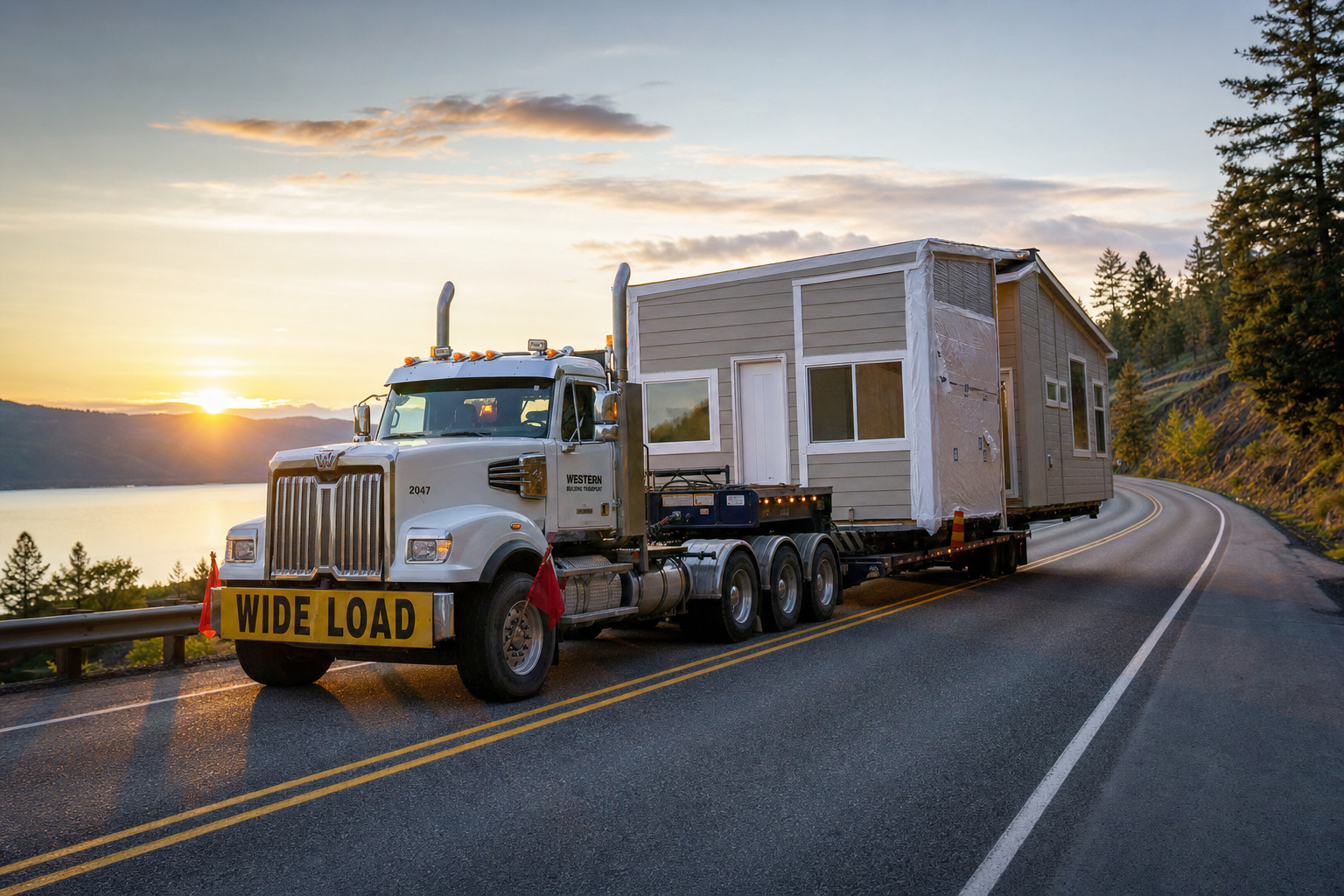
Moving a home is a feat of engineering and logistics that goes far beyond the typical "wide load" seen on the highway. When we talk about mobile and modular homes, we are discussing structures that were never meant to be aerodynamic or agile. They are houses—complete with roofs, plumbing, and substantial weight—that must navigate infrastructure designed for standard passenger vehicles.
To ensure this process is safe for the driver, the public, and the infrastructure itself, a complex framework of factors determines how these homes move. While a current snapshot of specific data might show 0 regulations and 0 permits drawn from authoritative sources in a localized database, this "clean slate" actually provides a perfect opportunity to look at the fundamental principles that govern the industry. Understanding these factors helps homeowners and transport professionals anticipate the requirements that inevitably arise when a home hits the road.
The Foundation of Transport Oversight
The reason any transport rule exists usually boils down to three priorities: public safety, the preservation of infrastructure, and legal accountability. Because mobile and modular homes are significantly larger than standard freight, they occupy more "space" on the road—both literally and in terms of the risk profile they present.
When authorities evaluate the transport of a manufactured home, they aren't just looking at the vehicle. They are looking at the footprint of the home and how it interacts with the physical world. This is why certain measurements and certifications are required before the wheels ever turn.
The Critical Role of Dimensions: Eave Width
One of the most significant factors in home transport is the width of the eaves. In architectural terms, the eave is the part of the roof that hangs over the walls. In transport terms, the eave is a potential hazard.
Most road lanes in the United States are approximately 12 feet wide. When a modular home is constructed, it often exceeds this width. The eave width is a critical measurement because it represents the widest point of the load, often at a height where it might strike bridge abutments, utility poles, or even the side mirrors of oncoming trucks.
Why does this factor shape the rules?
- Safety Buffers: If the eave width extends beyond a certain threshold, it may necessitate pilot cars or "escort vehicles" to warn oncoming traffic.
- Route Planning: A home with wide eaves might be prohibited from certain narrow mountain passes or older bridges with restrictive side-railings.
- Time of Day: Large eave widths often trigger restrictions that prevent the home from being moved during "peak hours" to avoid clogging commuter traffic.
Infrastructure Integrity and Gross Vehicle Weight
While the width of the home determines which lanes it can fit into, the gross vehicle weight determines which roads can actually support it. A modular home is dense. It contains appliances, flooring, and structural beams. When you add the weight of the transport chassis and the heavy-duty towing vehicle, the total tonnage is immense.
The gross vehicle weight is a primary factor for several reasons:
- Bridge Stress: Every bridge has a rated capacity. Exceeding this capacity can cause long-term structural fatigue or immediate failure.
- Pavement Wear: Heavy loads put exponential stress on asphalt and concrete. Regulators use weight factors to ensure that the cost of road maintenance is balanced by the fees associated with heavy-haul transport.
- Braking and Control: The heavier the load, the longer it takes to stop. Weight factors often dictate the type of braking systems required on the transport trailer itself.
By monitoring the gross vehicle weight, authorities ensure that the transport doesn't leave a trail of damaged roads and bridges in its wake.
Financial and Legal Accountability: The TC-138 Tax Clearance
Transporting a home isn't just a physical challenge; it is a legal one. Mobile and manufactured homes are unique because they occupy a space between "personal property" (like a car) and "real estate" (like a traditional house). In many jurisdictions, these homes are a significant part of the local tax base.
This is where the tax clearance requirement, often referred to as a TC-138, comes into play. Before a home can be moved from one location to another—especially across county or state lines—the owner must often prove that all property taxes have been paid in full.
The TC-138 or similar tax clearance serves as a "financial green light." Without it, a homeowner could theoretically move their house to a different jurisdiction to avoid paying back taxes. By making tax clearance a prerequisite for transport, local governments protect their revenue streams, which in turn fund the very roads the home is traveling on.
Why the Numbers Vary
It may seem surprising to see a tally of 0 regulations and 0 permits in a specific data set. However, this is often a reflection of how the industry is structured. Many transport rules are not "static" laws written into a general code; instead, they are dynamic conditions applied to individual move requests.
Furthermore, the mobile home industry is often governed at the regional or state level rather than through a single federal standard. This means:
- Local Discretion: A county in a flat, rural area may have very different requirements than a mountainous region with low-hanging tunnels.
- Private Standards: Many of the "rules" of the road for mobile homes are handled by the transport companies themselves, who follow industry best practices to avoid liability.
- Variable Permits: Permits are often issued on a per-trip basis. This means they are temporary permissions rather than permanent regulations.
Preparing for a Move
Even when specific regulations aren't explicitly listed in a general overview, the factors of eave width, gross vehicle weight, and tax clearance remain the "big three" of manufactured home transport. For anyone looking to move a modular or mobile home, the process involves more than just hiring a truck.
It involves a careful audit of the home’s physical dimensions and its legal standing. Professionals in the field spend a significant amount of time measuring overhangs to the inch and weighing the total load to ensure they stay within the safety margins of the intended route. They also work closely with local treasurers to ensure that certificates like the TC-138 are filed and ready.
Summary
The transport of mobile and modular homes is a highly specialized niche of the logistics world. While the current data points to a total of 0 total rules in this specific summary, the reality of the road is shaped by the physical and legal factors we have explored.
By understanding that eave width is about clearance, gross vehicle weight is about infrastructure protection, and tax clearance is about legal compliance, you can see the "why" behind the bureaucracy. These factors exist to ensure that when a house moves down the highway, it arrives at its new destination safely, legally, and without causing harm to the public infrastructure we all share. Moving a home is a massive undertaking, and these guidelines are the invisible tracks that keep the process moving in the right direction.