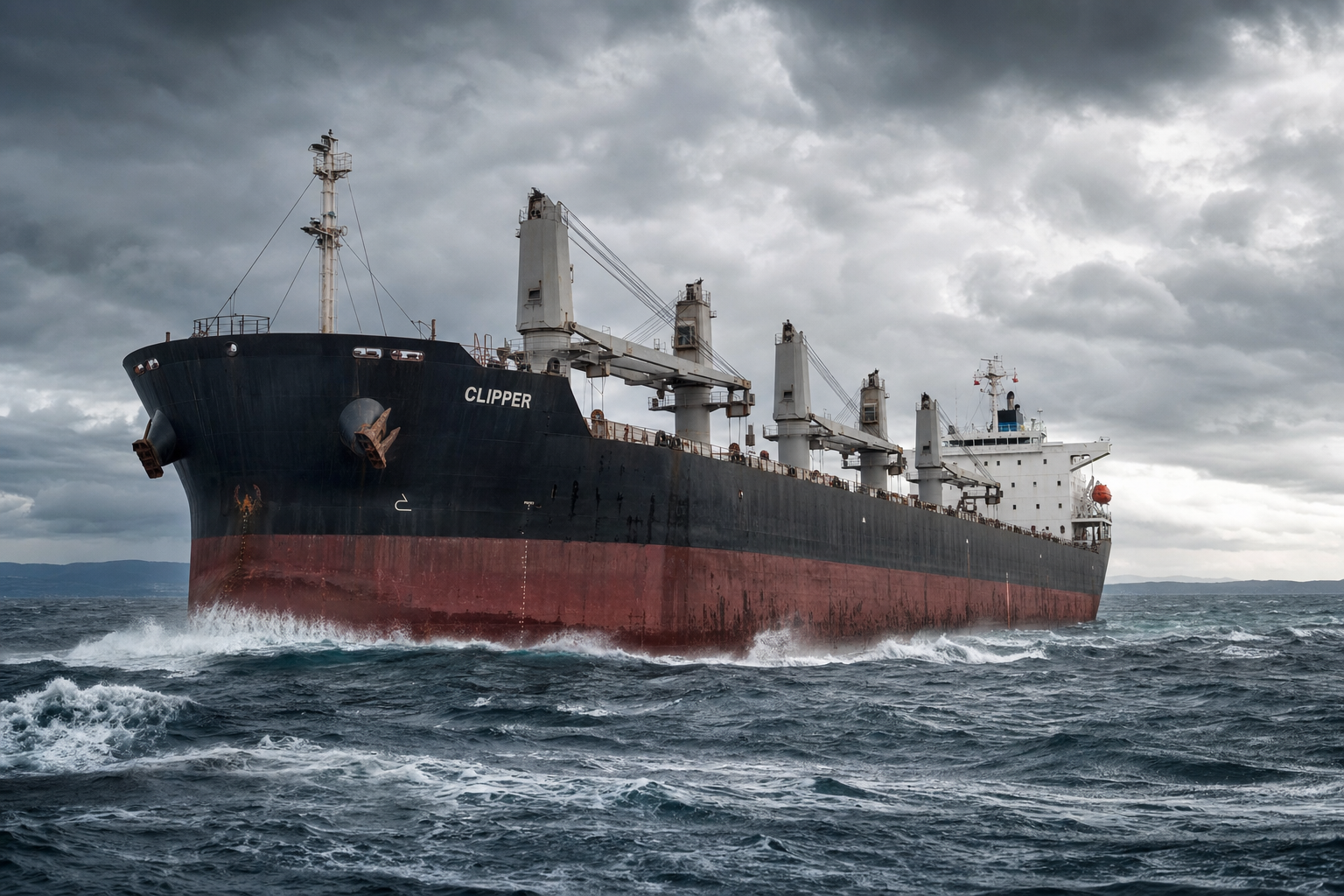
Navigating the Atmosphere: How Marine Weather Shapes Maritime Safety and Standards
5 min read
For centuries, the relationship between a mariner and the weather was a matter of intuition, experience, and sometimes, luck. Today, that relationship has been formalized into a sophisticated global network of advisories, warnings, and operational standards. If you are looking into the regulations and permits that govern maritime transit, you might be surprised to find that "Marine Weather" itself is a unique category.
In a traditional sense, there are zero regulations and zero permits drawn from specific authoritative sources that "license" the weather. You cannot apply for a permit to operate in a storm, nor is there a regulation that can outlaw a gale. However, this lack of direct "weather permits" does not mean the sea is a lawless frontier. Instead, weather acts as the primary catalyst for almost every other rule in the transport sector. Understanding why these rules exist requires looking past the paperwork and into the environmental factors that dictate when a ship moves, how it is loaded, and when it must stay in port.
The Advisory Nature of Marine Weather
In the world of maritime transport, weather functions primarily through a system of advisories and warnings rather than restrictive permits. While our current data shows zero standalone regulations for weather itself, the parent category of Transport is heavily influenced by meteorological data.
The reason for this distinction is practical. A regulation is typically a fixed rule—such as a requirement for a specific type of life jacket. Marine weather, however, is dynamic. Instead of a permit, mariners rely on "authoritative sources" like national meteorological services. These bodies provide the data that triggers legal obligations under broader maritime safety laws.
When a "Small Craft Advisory" or a "Gale Warning" is issued, it doesn't usually come with a new piece of paper or a fee. Instead, it changes the legal status of the environment. For a commercial operator, ignoring these warnings can lead to a violation of general safety duties, even if there isn't a specific "weather permit" on their dashboard.
Key Factors: What Shapes the Rules?
Even without a dedicated regulatory volume, several key environmental factors determine how transport rules are applied in real-time. These factors are translated from raw data into operational limits that every captain must respect.
Wind Speed and Sea State
Wind is perhaps the most visible factor in maritime safety. It is the primary driver behind the "Small Craft Advisory." For smaller vessels, high winds create a risk of capsizing or being driven off course. For larger commercial vessels, wind affects how the ship handles, especially when entering or leaving a confined harbor. The sea state—the height and frequency of waves—is directly tied to wind. When waves reach a certain height, it may trigger "heavy weather" protocols, requiring crews to secure cargo more stringently or change their heading to avoid structural damage.
Visibility and Atmospheric Conditions
Fog, heavy rain, and blowing spray can reduce visibility to near zero. While there isn't a "Fog Permit," there are strict international rules for preventing collisions at sea that change based on visibility. When visibility drops, vessels are often required by transport regulations to reduce speed to a "safe speed" and use specific sound signals. In some major ports, the port authority may effectively pause all transit until visibility improves, illustrating how weather data dictates the enforcement of transport rules.
Gross Vehicle Weight and Stability
The weight and balance of a ship—often referred to in terms of its displacement or gross vehicle weight—are fundamentally linked to weather regulations. A ship that is safe to sail in a calm harbor might be dangerously unstable in high seas if it is overloaded. Regulations regarding how much cargo a ship can carry are often calculated based on the "worst-case" weather scenarios the vessel is expected to encounter. This is why you will see different load lines on the side of a ship for different seasons and regions; the "Winter North Atlantic" line is lower than the "Tropical" line because the weather is statistically more dangerous.
Temperature and Ice
In higher latitudes, temperature becomes a regulatory factor. The presence of sea ice or the risk of ice accumulating on a ship’s superstructure (which increases weight and threatens stability) triggers specific requirements for "ice-strengthened" hulls and specialized crew training. These are not weather permits in the traditional sense, but they are mandates that only apply when the weather reaches certain thresholds.
Why the Rules Are Framework-Based
If you were to look for a permit specifically for "Marine Weather," you would find zero entries because weather is the context for safety, not the subject of it. The regulatory framework is designed to be responsive.
- Safety of Life at Sea: The primary goal of any weather-related transport rule is the prevention of loss of life. By using weather as a "trigger" for other regulations, authorities ensure that the stringency of the rules matches the danger of the environment.
- Economic Protection: Large-scale maritime transport is the backbone of the global economy. Regulations that mandate harbor closures during hurricanes protect not just the ships, but the infrastructure of the ports themselves.
- Environmental Security: A ship grounded by a storm is a potential environmental disaster. Many rules regarding when a ship must take on a local pilot or use tugboat assistance are shaped by the prevailing weather conditions to prevent oil spills and cargo loss.
Regional Variations and Authority
The reason our statistics show a reliance on authoritative sources rather than a central "permit office" is that marine weather is handled regionally. A harbor master in a tropical zone is looking for different factors (like cyclone development) than a port authority in the North Sea (where sudden "bombs" of low pressure are a risk).
Each region sets its own "red lines." For example:
- Coastal Waters: Rules often focus on small craft and recreational safety, with frequent updates to advisories.
- Open Ocean: The focus shifts to vessel stability, cargo lashing, and long-range routing to avoid major storm systems.
- Inland Waterways: Here, weather rules might focus on water levels—how heavy rainfall upstream affects currents and the ability of ships to pass under bridges.
Conclusion
Understanding marine weather regulations requires a shift in perspective. You aren't looking for a list of "thou shalt nots" written in a static book. Instead, you are looking at a system where the "rules" are written by the environment and interpreted by safety authorities.
While the data may show zero standalone permits for this category, the influence of weather is omnipresent in the transport sector. It determines the "when" and "how" of every voyage. By staying informed through authoritative meteorological sources and understanding how factors like wind, wave height, and visibility interact with vessel stability, mariners and transport professionals ensure that they are operating not just within the letter of the law, but within the bounds of safety. In the end, the most important "regulation" in marine weather is the one dictated by the sea itself: respect the conditions, or stay in port.