Navigating the High Ground: Understanding the Factors Behind Mountain Pass Regulations
5 min read
Mountain passes represent some of the most impressive feats of civil engineering and some of the most challenging environments for modern transport. These high-altitude routes are the vital arteries connecting regions, yet they are subject to the whims of geography and the extremes of the atmosphere. Because mountain passes are inherently more volatile than lowland highways, they are governed by a unique set of considerations that dictate how, when, and by whom they can be used.
When we look at the current landscape of high-altitude transport, we find a complex interplay between safety, infrastructure preservation, and environmental protection. Interestingly, at this precise moment, our comprehensive tracking shows zero active regulations and zero active permits currently issued across the authoritative sources we monitor for this category. While this indicates a period of relative openness or perhaps a transition between seasonal shifts, it provides a perfect opportunity to look under the hood.
What are the factors that typically lead to a rule being enacted? Why might a pass require a permit one day and be open to all the next? Understanding these variables helps drivers, logistics managers, and travelers move through the high country with confidence.
The Physical Realities of Altitude
The primary driver for any mountain pass regulation is the physical environment. High-altitude routes are defined by steep grades and sharp curves. These aren't just scenic features; they are physical limits that dictate the behavior of vehicles.
Grade and Braking Capacity
One of the most significant factors in mountain transport is the "steepness" of the road. When a vehicle descends a long mountain grade, its braking system is under immense stress. If a truck’s gross vehicle weight is too high, the kinetic energy generated during a descent can lead to "brake fade," where the brakes overheat and lose their stopping power.
This is why authorities often look at weight limits as a primary regulatory lever. Even when there are no active restrictions listed today, the inherent design of a pass—its maximum percentage of grade—remains the baseline for future safety rules.
Turning Radii and Vehicle Length
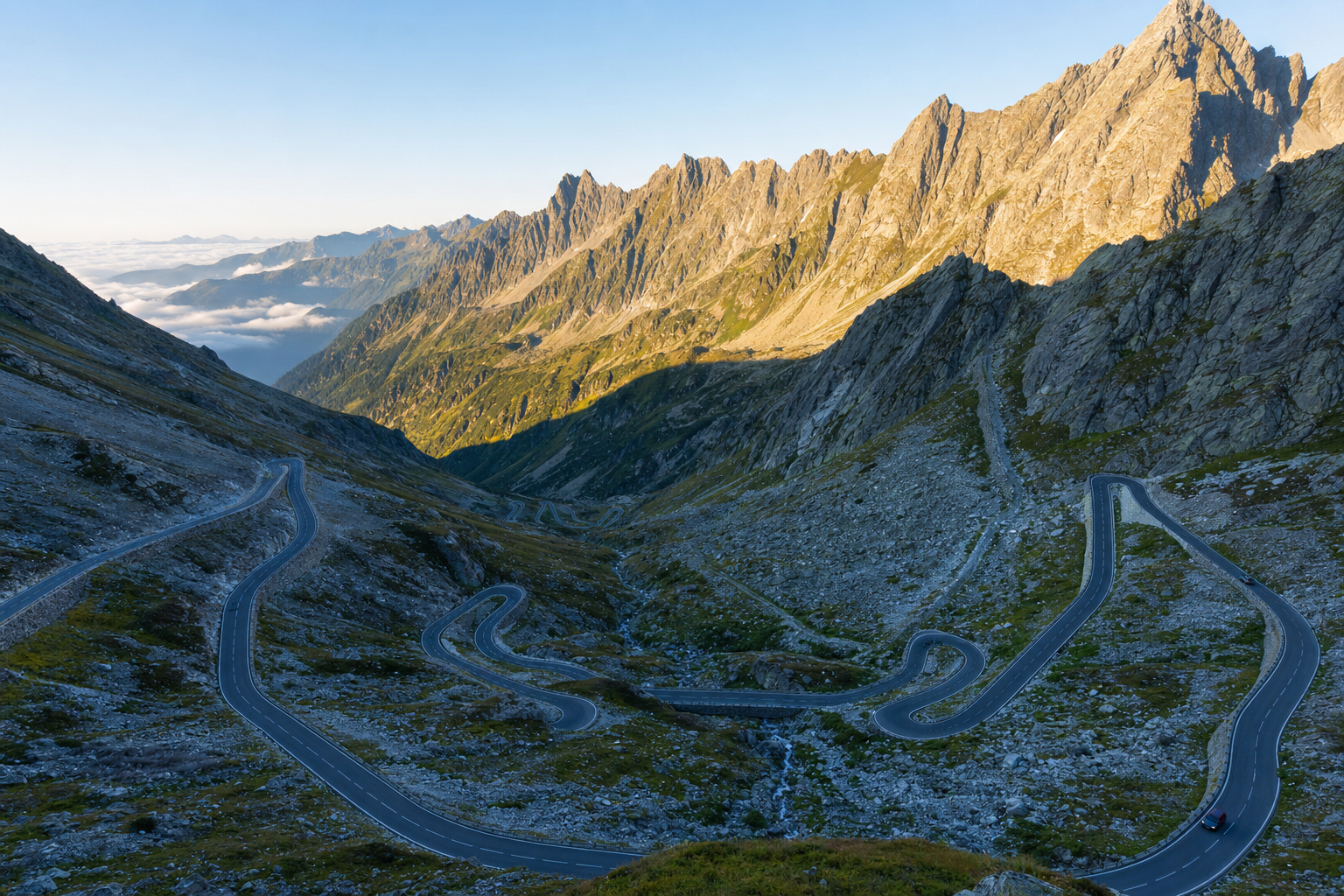
Mountain roads often feature "switchbacks"—tight, 180-degree turns designed to gain elevation in a short horizontal distance. The geometry of these turns determines the maximum length of a vehicle that can safely navigate the pass. If a trailer is too long, it may "off-track," swinging into the opposing lane of traffic or even dropping a wheel off the edge of the pavement.
The Influence of Weather and Seasonality
While the road’s geometry is static, the weather is anything but. Mountain passes create their own microclimates. It is common for a valley to experience a light rain while the pass several thousand feet above is buried in a blizzard.
Traction and Surface Conditions
The most frequent triggers for temporary regulations are snow and ice. When conditions deteriorate, authorities may implement traction requirements. These aren't just suggestions; they are based on the friction coefficient of the road surface. These requirements can range from "all-weather tires required" to "chains mandatory for all vehicles."
The fact that we currently see zero active regulations suggests a window of clear weather across these major routes. However, transport officials monitor weather stations and road sensors around the clock. A sudden drop in temperature or a shift in wind direction can change a pass's status from "open" to "restricted" in a matter of minutes.
Seasonal Closures
Some mountain passes are so high or so difficult to maintain that they are not cleared during the winter months. These seasonal closures are a form of long-term regulation. They are determined by the cost-benefit analysis of snow removal versus the volume of traffic, as well as the safety risks to maintenance crews who must deal with avalanche hazards.
Infrastructure and Maintenance Needs
The road itself is a massive investment that requires protection. Mountain environments are harsh on asphalt and concrete. The constant cycle of freezing and thawing creates cracks, and the heavy use of salt or sand for traction can accelerate the degradation of bridge decks.
- Bridge Weight Limits: Bridges on mountain passes are often older or designed with specific load-bearing capacities. If the gross vehicle weight of passing trucks exceeds these limits, it can cause structural fatigue.
- Maintenance Windows: Because the window for construction is so short in high altitudes, permits are often required for oversized loads that might slow down traffic during critical repair seasons.
- Safety Turnouts and Runaway Ramps: The presence (or absence) of safety infrastructure like runaway truck ramps can influence whether a pass is restricted to certain types of commercial traffic.
The Human Element: Public Safety and Traffic Flow
Regulations also exist to manage the human element of driving. Mountain passes are often narrow, with few places to pull over. This makes a broken-down vehicle or a slow-moving truck a significant hazard.
Traffic Volume and Congestion
On popular passes, especially those leading to recreation areas, the sheer volume of traffic can lead to regulations regarding vehicle size or towing. If a slow-moving recreational vehicle causes a miles-long backup on a two-lane mountain highway, it increases the likelihood of risky passing maneuvers by frustrated drivers. Authorities may use permits to stagger the arrival of heavy loads or restrict them to nighttime hours to ensure the safety of the general public.
Hazardous Materials
Given that many mountain passes run alongside pristine alpine watersheds, the transport of hazardous materials is a major regulatory factor. A spill on a mountain pass doesn't just block a road; it can contaminate the water supply for cities downstream. This risk often leads to permanent regulations redirecting tankers to longer, flatter routes.
Why the "Zero" Matters
It is notable that our current data shows zero active permits and zero regulations across these mountain routes. In the world of high-altitude transport, "zero" is a sign of a steady state. It means that, for the moment, the factors we’ve discussed—weather, infrastructure, and traffic—are within manageable levels that don't require specific intervention beyond the standard rules of the road.
However, for the informed traveler or driver, this "zero" is a baseline, not a permanent condition. Mountain passes are dynamic. The factors that shape their rules are always present, even when no specific rule is active.
Summary of Key Factors
When you look at a mountain pass, remember that its status is determined by:
- Vehicle Weight: Protecting brakes and bridge structures.
- Vehicle Dimensions: Ensuring the road’s curves can accommodate the vehicle’s length and width.
- Environmental Conditions: Managing the risks of snow, ice, and high winds.
- Road Geometry: Accounting for the steepness of the climb and descent.
- Public Safety: Minimizing the risk of accidents in isolated, high-stakes environments.
By understanding these factors, you can better anticipate why a pass might be restricted in the future and appreciate the complex balancing act that authorities perform to keep these vital routes open and safe. While the current count of zero regulations suggests clear sailing for now, the mountains themselves remain as unpredictable as ever. Always check for real-time updates before heading into high-altitude territory, as the factors that shape the rules can shift with the wind.