Navigating the Heavy Road: Understanding Overweight Permits for Specialized Vehicles
5 min read
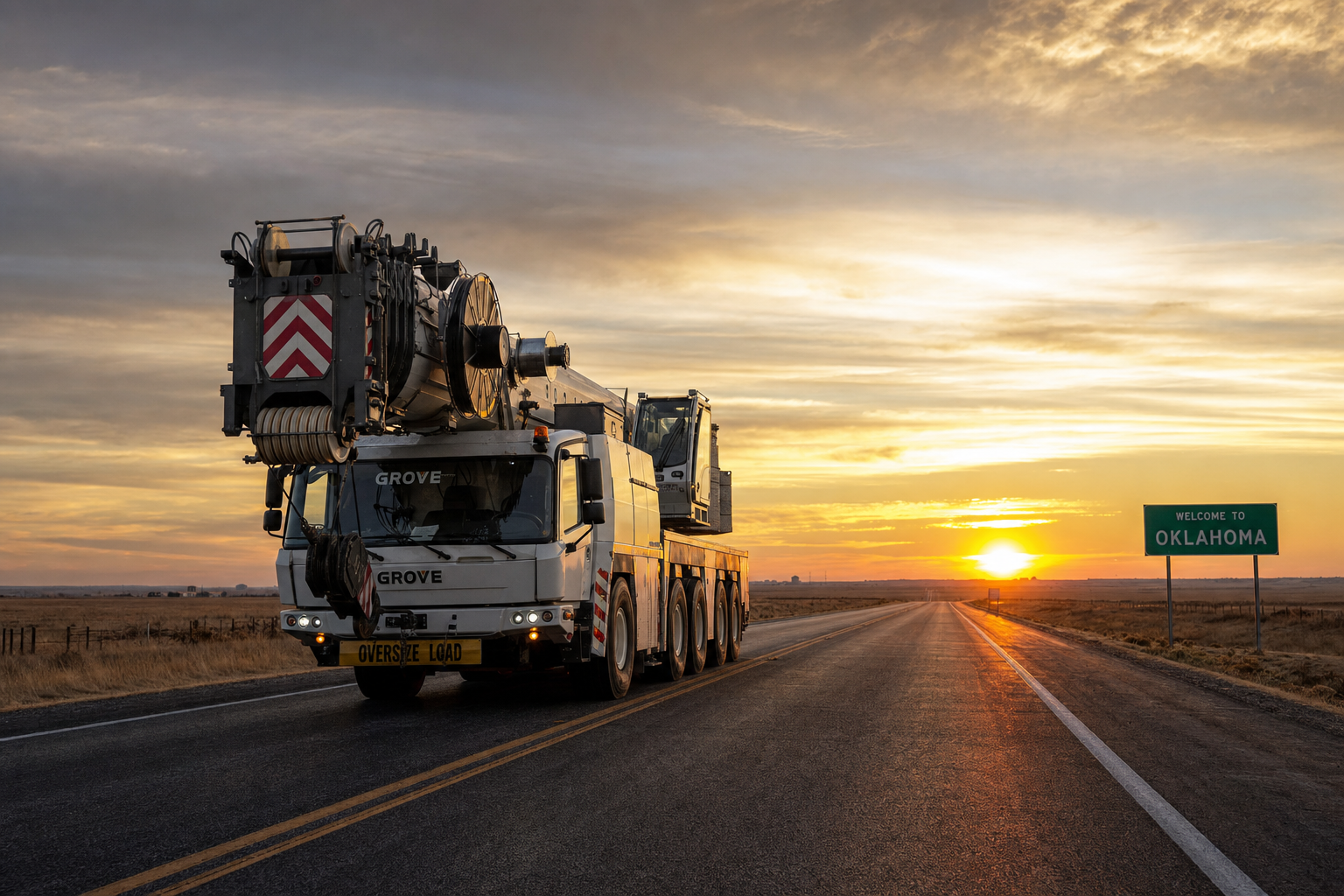
When you see a massive mobile crane or a complex service rig lumbering down the highway, you are looking at more than just a piece of heavy machinery. You are seeing a carefully choreographed balance between industrial necessity and infrastructure preservation. These vehicles, often referred to in the industry as "overweight" due to their permanently mounted equipment, do not follow the same rules as your average semi-truck.
Understanding how these vehicles are regulated—and more importantly, how they are permitted—is essential for anyone involved in logistics, construction, or heavy industry. Based on data from two authoritative sources, we can look at the landscape of these rules to understand why they exist and what triggers the need for special authorization.
The Difference Between Regulations and Permits
In the world of road safety and infrastructure, there is a distinct difference between a general regulation and a specific permit. A regulation is a broad rule that applies to everyone on the road. For example, standard weight limits for commercial vehicles are general regulations. However, specialized vehicles like service rigs often cannot meet these standard limits by design.
The data shows a lopsided landscape for these specialized overweight vehicles: out of 25 total rules identified, zero are general regulations, while all 25 are categorized as permits.
What does this tell us? It indicates that the government doesn't simply give a "blanket" okay for heavy cranes or rigs to drive wherever they want. Instead, every single instance of these vehicles being on the road is handled as an exception. You aren't following a general law that says "cranes are fine"; you are operating under a specific permit that grants you a temporary exemption from standard weight laws.
Within these 25 rules, the tone is almost entirely restrictive. Twenty-four of these rules are framed as "prohibitions" (things you must not do unless you have the permit), while only one is framed as a mandatory "must" requirement. This reinforces the idea that the road belongs to standard-weight traffic, and heavy specialized equipment is the exception that requires rigorous oversight.
The Crucial Role of Axle Configuration
If you are looking for the single most important factor that determines whether a vehicle needs a permit—and what kind of permit it gets—it is the specific design of the vehicle’s axle configuration. In all 25 rules analyzed, the axle configuration designator was the primary deciding factor.
Why is the axle configuration so important? It comes down to physics and "pounds per square inch." A road or a bridge doesn't just feel the total weight of a vehicle; it feels the weight distributed through the points of contact.
A 100,000-pound vehicle with only two axles would crush the pavement and likely collapse a bridge. However, that same 100,000-pound vehicle spread across seven or eight axles might distribute the weight enough that the infrastructure can handle it. The "axle configuration designator" is a shorthand way for regulators to understand exactly how that weight is spread out. It tells them:
- How many axles are present.
- The spacing between those axles.
- Whether the axles are "steer" axles or "drive" axles.
- How the weight of the permanently mounted equipment (like a crane boom or a drill) sits over those axles.
While the total gross weight of the vehicle and the total number of axles are inherently part of the conversation, the data shows that the specific configuration—the precise layout—is what triggers the specific permit requirements.
Regional Focus: The Oklahoma Example
The data we are examining is centered entirely on Oklahoma. In this region, all 25 of the identified permits are part of the state’s framework for managing its roads. This isn't surprising when you consider the geography and economy of the region. Oklahoma is a hub for the energy sector and heavy construction, industries that rely heavily on service rigs and mobile cranes.
Because Oklahoma’s economy depends on these heavy vehicles, the state has developed a robust system of 25 distinct permits to ensure that the work can get done without destroying the highways. This regional focus highlights that overweight permitting is rarely a "one size fits all" national standard. Instead, it is a local response to the specific types of equipment used in that state’s dominant industries.
Why Do These Rules Exist?
It can be tempting to view 25 different permit types as a mountain of red tape. However, these rules serve three vital functions:
1. Infrastructure Longevity
Roads are designed with a specific "fatigue life." Every time a heavy load passes over a bridge or a stretch of asphalt, it uses up a tiny bit of that road's life. Vehicles with permanently mounted equipment are often significantly heavier than standard freight trucks. Without the permit system to control where and when these vehicles travel, a state's bridge network could be compromised in a matter of years rather than decades.
2. Public Safety
An overweight vehicle handles differently than a standard one. It takes longer to stop, it has different center-of-gravity challenges, and it may require more room to turn. By requiring permits based on axle configuration, authorities can ensure that the vehicle is physically capable of navigating the intended route safely.
3. Economic Fairness
Road repairs are expensive and usually funded by taxpayers. The permit system ensures that companies moving exceptionally heavy equipment contribute to the maintenance of the infrastructure they use most heavily. It also ensures a level playing field where everyone follows the same safety standards.
What This Means for Operators
If you are operating a vehicle with permanently mounted equipment, the takeaway is clear: the specific design of your vehicle is your passport.
Before a wheel even turns, the "axle configuration designator" must be matched against the available permits. Because there are no general regulations that allow these vehicles to operate freely, you are always in a "must-not" environment until a permit is granted.
Operating in a state like Oklahoma means engaging with a system that has very specific categories for different types of rigs. Whether it's a mobile crane, a well-servicing unit, or a specialized construction rig, the permit you carry is a recognition that your vehicle is unique and requires its own set of rules to keep the roads safe and intact.
Summary
The regulation of overweight specialized vehicles is a highly specific field. With a total of 25 permits identified in the Oklahoma region and a heavy reliance on axle configuration as the determining factor, it’s a system built on precision.
By understanding that these rules are designed to protect the very roads that make business possible, operators can better appreciate the importance of compliance. These aren't just numbers on a page; they are the engineering standards that keep our bridges standing and our highways open for everyone.
Note: This article is intended for educational purposes and provides a general overview of the factors shaping vehicle regulations. It does not constitute legal advice or a comprehensive guide to compliance. Always consult with state transportation authorities for specific permitting requirements.