Navigating the Path: Understanding Route Survey Requirements for Superloads
5 min read
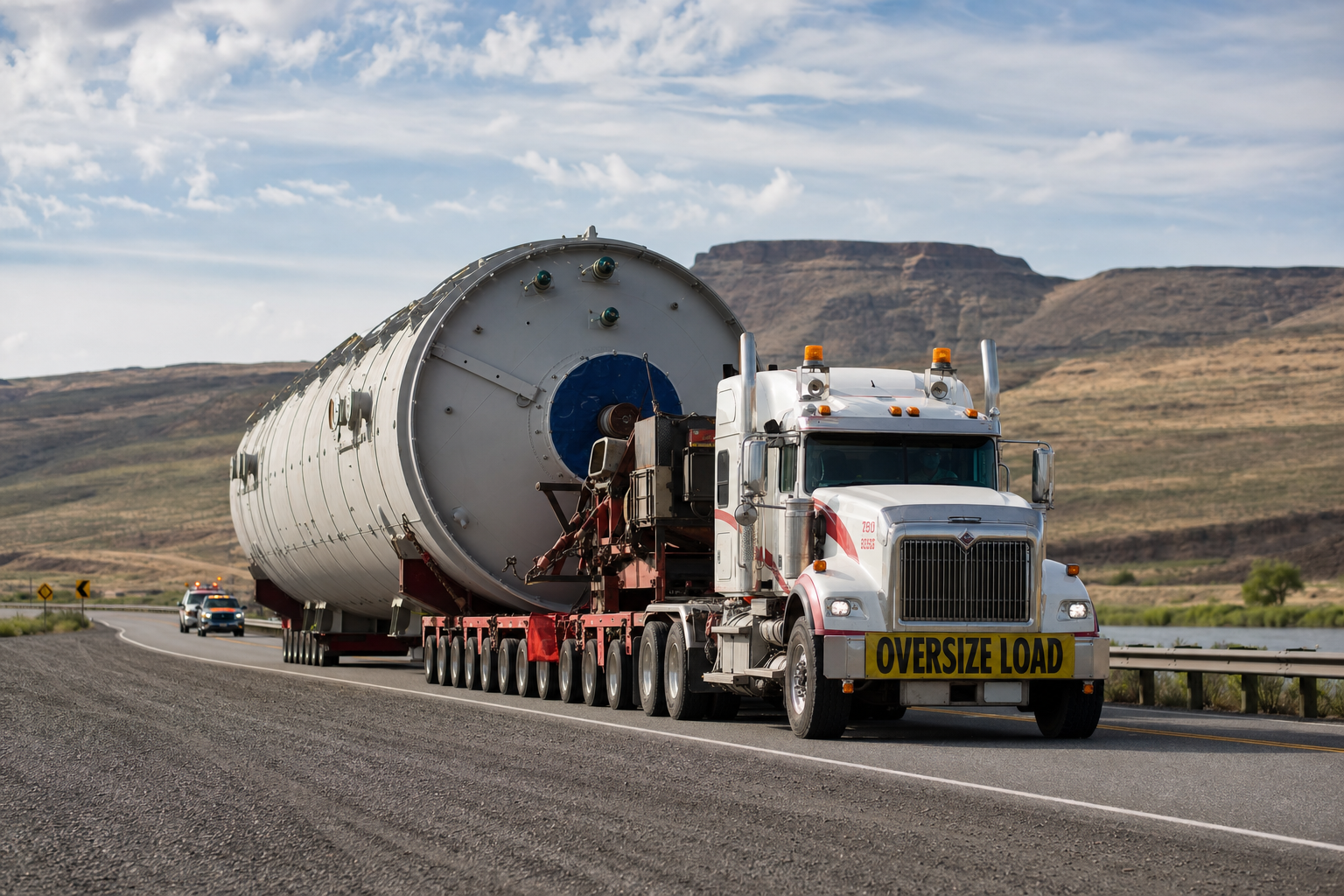
When a transport load exceeds the standard limits of the highway, it transitions from a routine shipment into a complex engineering project. These "superloads" are so large or heavy that they cannot simply follow a GPS route. Instead, they require a meticulous process known as a route survey.
A route survey is a physical and technical evaluation of a proposed path to ensure that a specific vehicle and its cargo can navigate every turn, bridge, and incline without damaging infrastructure or endangering the public. Understanding the regulations and permits governing these surveys is essential for anyone involved in heavy haulage and infrastructure management. Based on data from three authoritative sources, there are currently 11 primary rules—consisting of 7 regulations and 4 permits—that shape how these surveys are conducted across North America.
The Purpose of Route Survey Regulations
The rules surrounding route surveys aren't just bureaucratic hurdles; they are safety protocols designed to protect the integrity of our transportation network. Out of the 11 rules identified, 10 are classified as "must" requirements, meaning they are strictly mandatory. Only one is framed as a "should," providing a rare instance of flexibility.
This high level of stringency exists because the stakes are incredibly high. A mistake in measurement can lead to a truck becoming wedged under an overpass, striking a power line, or causing a structural failure on a bridge that wasn't rated for the vehicle's total gross weight. By mandating professional surveys, Department of Transportation (DOT) agencies shift the burden of proof onto engineers and specialists to demonstrate that the journey is physically possible before the first wheel turns.
Key Factors That Trigger Survey Requirements
Not every oversized load requires a full engineering survey. The transition from a standard permit to a required route survey is usually determined by several specific physical and logistical factors.
Load Dimensions and Weight
The most common triggers are the horizontal measurement of the transport load at its widest point and the total gross weight of the vehicle and its cargo. As a load gets wider, it begins to encroach on oncoming traffic lanes or risks hitting roadside obstacles like signage and guardrails. Similarly, extreme weight requires a survey to ensure the pavement and underlying structures can support the pressure without collapsing.
Infrastructure Constraints
A route survey must account for the physical geometry of the road. This includes:
- Minimum Vertical and Horizontal Clearance: Specialists must measure the gap between the load and the lowest overhead obstructions (like bridges or utility lines) as well as the narrowest points on the route.
- Maximum Slope or Incline: For exceptionally heavy or long loads, the steepness of a hill is a critical factor. If a grade is too steep, the vehicle may lose traction or suffer mechanical failure, potentially blocking a major artery for hours.
Operational Logistics
Beyond the physical size, the timing and "intensity" of the move play a role in the rules.
- Escort Intensity: Regulations often classify the level of escort required—such as pilot cars or police—based on the load's dimensions. A survey helps determine exactly where these escorts are needed most.
- Time and Day Restrictions: Some rules apply specifically to certain times of the day or days of the week. This is often done to avoid peak traffic hours or holiday travel, ensuring that the slow-moving superload doesn't create a massive bottleneck.
- Travel Curfews: In some jurisdictions, specific curfews are in effect that halt transport during night hours or during specific local events.
Regional Breakdown: Where the Rules Apply
The regulatory environment for route surveys varies significantly depending on where the transport is taking place. The 11 rules identified in our data are distributed across different jurisdictions, reflecting the different priorities of regional transport authorities.
Manitoba, Canada
Manitoba is particularly rigorous in its oversight, accounting for 4 of the 7 total regulations identified. This suggests a highly structured approach where the province sets clear legal standards that must be met for heavy hauls. In this region, the focus is heavily on the "regulation" side—laws that exist regardless of the specific permit application.
The United States
In the United States, the balance is more even. There are 2 regulations and 2 permits that govern route surveys. This indicates that while there are broad federal or state laws in place, many of the specific requirements for a route survey are "permit-conditioned," meaning the specific details of the survey are mandated as a condition of receiving the permit for that specific move.
Cross-Border Standards (United States and Canada)
There are also rules that bridge the gap between the two nations, with 1 regulation and 2 permits falling into the combined US and Canada category. This reflects the high volume of international heavy-haul freight and the ongoing effort to harmonize safety standards for superloads traveling across the border.
The Role of the Professional Survey
One of the most critical factors in the regulatory framework is the explicit requirement for a professional route survey to be conducted prior to transport. This isn't just a driver "eyeballing" a bridge. It often involves specialized equipment, such as high-accuracy height poles, GPS mapping tools, and sometimes even 3D modeling for extremely tight turns.
The survey serves as the final check-and-balance. While a DOT might have a database of bridge heights, road construction or fresh paving can change those numbers by inches—inches that matter when a load is 18 feet tall. The surveyor’s job is to verify the current, real-world conditions of the road against the theoretical data in the permit office.
Conclusion
The 11 rules (7 regulations and 4 permits) that govern route survey planning represent a sophisticated safety net. By focusing on factors like total gross weight, width, and infrastructure clearances, these rules ensure that the most challenging loads on our highways are moved with surgical precision.
Whether you are in Manitoba or navigating the US interstate system, these requirements are designed to keep the economy moving without compromising the safety of the infrastructure we all share. While the "must-follow" nature of these 10 binding rules might seem daunting, they provide the necessary framework to turn a potentially dangerous transport into a successful, well-planned engineering feat.