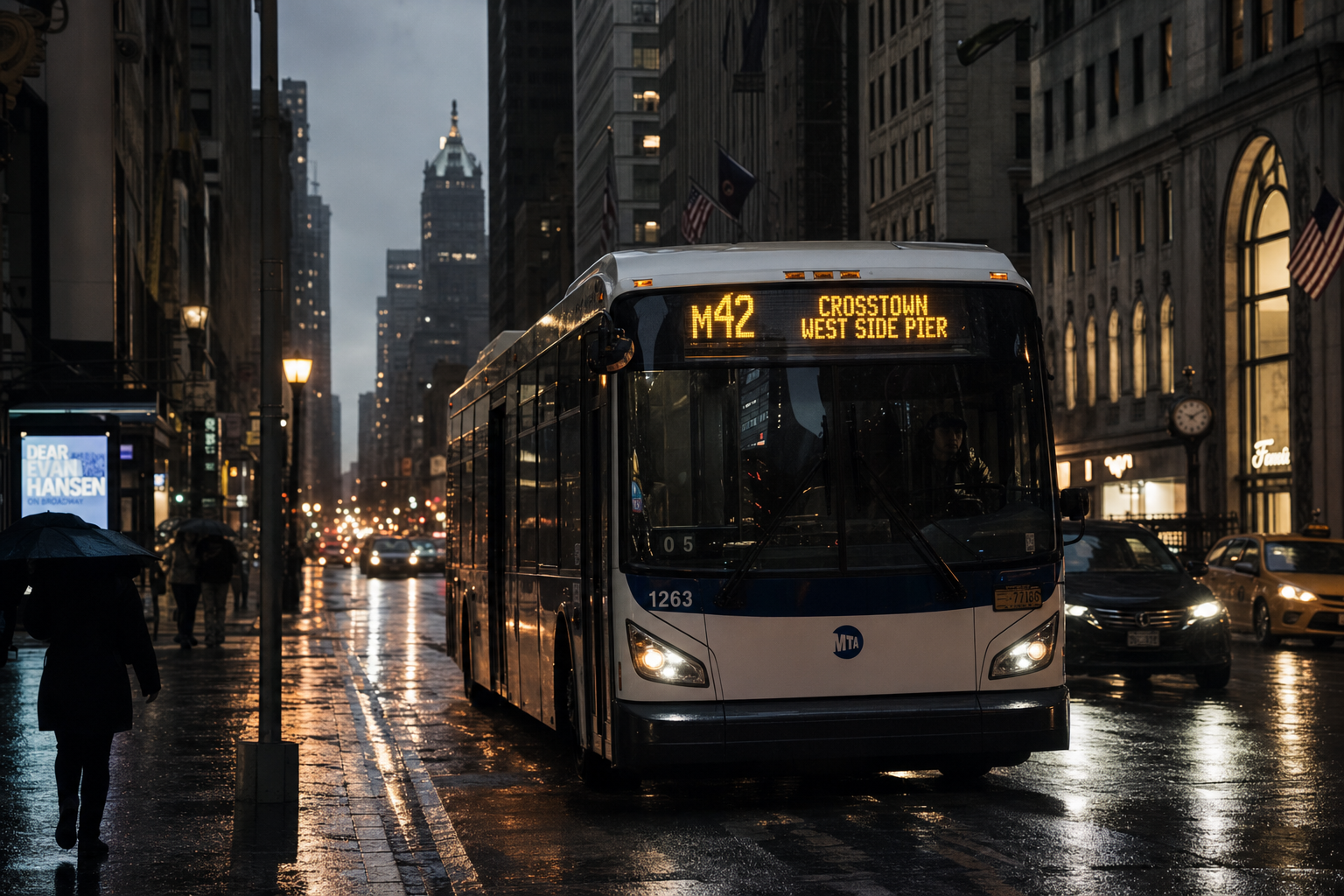
Navigating the Unpredictable: Understanding Bus Service Hindrances and the Regulatory Landscape
6 min read
For millions of commuters and travelers, the local bus is a symbol of reliability. It follows a fixed schedule, stops at designated points, and operates within a framework of strict safety protocols. However, even the most well-oiled transit system is subject to the world around it. From the sudden surge of a river over a roadway to the organized chaos of a downtown protest, "hindrances" are the external factors that force bus services to adapt, reroute, or pause entirely.
To the frustration of many passengers, these disruptions often feel like they exist in a regulatory vacuum. When a bus is delayed by a parade or a flash flood, there isn't usually a single "Bus Hindrance Permit" or a specific federal regulation that dictates the outcome. In fact, a look at the current authoritative data reveals zero centralized regulations and zero specific permits categorized under "Bus Service Hindrances."
This lack of a formal, unified rulebook doesn’t mean that "anything goes." Instead, it indicates that bus disruptions are managed through a complex patchwork of local ordinances, emergency protocols, and municipal planning. Understanding why these rules are fragmented—and what factors actually determine how a bus navigates a disruption—is key to understanding the resilience of modern public transport.
The Logic of the "Zero Rule" Landscape
Why are there no formal "hindrance regulations" or "hindrance permits" in the traditional sense? The answer lies in the nature of the disruptions themselves. You cannot issue a permit for a seasonal flood, and you cannot regulate a protest specifically as a "bus problem."
In the regulatory world, permits and regulations are typically proactive. They govern things the transit authority intends to do, such as setting a route or choosing a vehicle’s gross vehicle weight. Hindrances, by definition, are reactive. They are external pressures placed upon the system.
Instead of a single governing body overseeing these disruptions, the "rules" are dictated by three primary factors: environmental safety, public order, and infrastructure maintenance.
Environmental Factors: When Nature Blocks the Way
Environmental disruptions are perhaps the most common reason for bus service modifications. These are often seasonal and predictable in their occurrence, if not their exact timing.
Seasonal Flooding
In many regions, seasonal flooding is a primary hindrance. When water covers a roadway, a bus driver isn’t just dealing with a "wet road." They are managing a vehicle with a high center of gravity and significant weight. Regulation in this area usually falls under emergency management. If a local sheriff or department of transportation closes a road due to high water, the bus is legally bound by that closure, not by a specific transit-specific rule.
Snow and Ice
In northern climates, municipal roadwork and clearing schedules become the de facto regulations for bus services. Buses are often the first vehicles allowed back on the road after a blizzard, but their operations are limited by the physical width of cleared lanes. If a plow hasn’t widened a turn enough for a bus's specific turn radius, the route is effectively hindered regardless of what the schedule says.
Event-Based Disruptions: The Balance of Rights
Man-made hindrances, such as protests, parades, and festivals, present a different regulatory challenge. These events are often permitted—but the permits are for the event, not for the hindrance of the bus.
Public Assembly and Protests
In a democratic society, the right to protest is a fundamental pillar of public life. When a demonstration occupies a major artery, the bus service must yield. This is where the interaction between different municipal departments becomes critical. The police department might manage the crowd, while the transit authority manages the reroute.
The "regulation" here is a balance of competing public interests: the right to move freely versus the right to be heard. Because these situations are fluid, they are rarely governed by static transit permits. Instead, they rely on "real-time operational adjustments," a fancy term for bus drivers and dispatchers communicating via radio to find the next best path.
Municipal Roadwork
Roadwork is the most common hindrance that does involve permits, though they are usually construction permits held by contractors or utility companies. When a city grants a permit to dig up a street for a new water main, that permit often includes a requirement to "maintain transit access." However, the bus service itself doesn't hold the permit; it is a stakeholder that must be accommodated.
Key Factors That Determine the Response
When a hindrance occurs, transit agencies don't just guess what to do. They weigh several concrete factors to decide if a bus can push through or if a detour is necessary.
- Vehicle Physical Dimensions: Buses are long and wide. A roadwork project that leaves a ten-foot lane might be fine for a car, but it is an impassable hindrance for a standard transit bus.
- Total Passenger Capacity and Weight: A fully loaded bus can weigh upwards of 30,000 pounds. If a flood has compromised the integrity of the soil under a road, or if a temporary bridge has a low weight limit, the bus cannot pass.
- Accessibility Requirements: One of the most significant "invisible" regulations is the requirement for accessibility. If a protest or roadwork blocks a designated curb cut or a level-boarding platform, the bus might be forced to skip that stop entirely to ensure they don't strand passengers who require a ramp or lift.
- Turn Radii: Buses require significantly more space to turn than passenger vehicles. A minor detour through a residential neighborhood might seem simple, but if the corners are too sharp, the "hindrance" effectively shuts down the entire detour route.
Regional Variations: Why Rules Feel Different Everywhere
The reason there isn't a single national standard for bus hindrances is that the risks vary wildly by geography. In a coastal city, the primary hindrance regulation might revolve around hurricane evacuation routes and storm surge levels. In a dense metropolitan capital, the regulations focus on high-security event perimeters and "no-go zones" around government buildings.
These regional differences mean that "rules" are often established through local Memorandums of Understanding (MOUs) between transit agencies and city halls. These aren't recorded as formal permits in a database, but they serve as the operational manual for when things go wrong.
Looking Forward: The Role of Information
While the formal count of "hindrance permits" remains at zero, the way we manage these disruptions is becoming more structured through technology. Real-time GPS tracking and passenger notification systems have turned what used to be a "rule-based" system into an "information-based" system.
In the past, a bus driver might have had a physical rulebook telling them which streets to avoid during a flood. Today, that information is pushed digitally. The "regulation" has moved from a static document to a dynamic data stream.
Conclusion
The absence of a centralized list of regulations and permits for bus service hindrances is not a sign of neglect. Rather, it is a reflection of how transit is woven into the very fabric of our communities. Because buses share the road with protesters, construction crews, and even the weather, they are subject to the same laws and limitations that govern the city at large.
Next time your bus is diverted due to a street fair or a heavy downpour, remember that the "rules" being followed are a mix of common sense, engineering limits, and the ongoing negotiation of public space. It is a system that prioritizes safety and public order over a rigid adherence to a printed schedule, ensuring that even when the path is blocked, the service eventually finds its way home.