Understanding the Framework of Rail Crossing Safety and Regulations
5 min read
Railroad crossings are a ubiquitous part of the modern landscape, acting as the literal intersection where heavy industry meets daily life. For most people, a crossing is simply a brief pause in a commute or a rhythmic sound in the distance. However, behind the scenes, these points of contact are governed by a specific set of rules designed to ensure that the massive momentum of a train never conflicts with the movements of cars, pedestrians, or emergency services.
When we look at the regulatory environment surrounding rail crossings—specifically regarding their real-time status and whether they are clear or blocked—the focus is surprisingly concentrated. In the United States, current data identifies one primary regulation and zero permits derived from authoritative sources. This single, mandatory "must" requirement serves as the backbone for how crossing safety is managed at the federal level.
Understanding why these rules exist requires looking past the signs and signals and examining the logistics of communication and emergency response.
The Foundation of Crossing Oversight
The regulatory framework for rail crossings isn’t about creating mountains of paperwork; it is about establishing a direct line of accountability. In the United States, the existence of a single, binding regulation highlights a streamlined approach to safety. Unlike other sectors of transportation that might require dozens of individual permits for specific activities, rail crossing status is governed by a fundamental requirement for transparency and immediate action.
This "must" modality is significant. It indicates that the rule isn't a suggestion or a "best practice" that an operator can choose to follow. It is a mandatory standard. This high level of binding authority ensures that regardless of which state a train is passing through or which railroad company owns the tracks, there is a consistent expectation of how crossing issues are handled.
The Critical Role of Emergency Communication
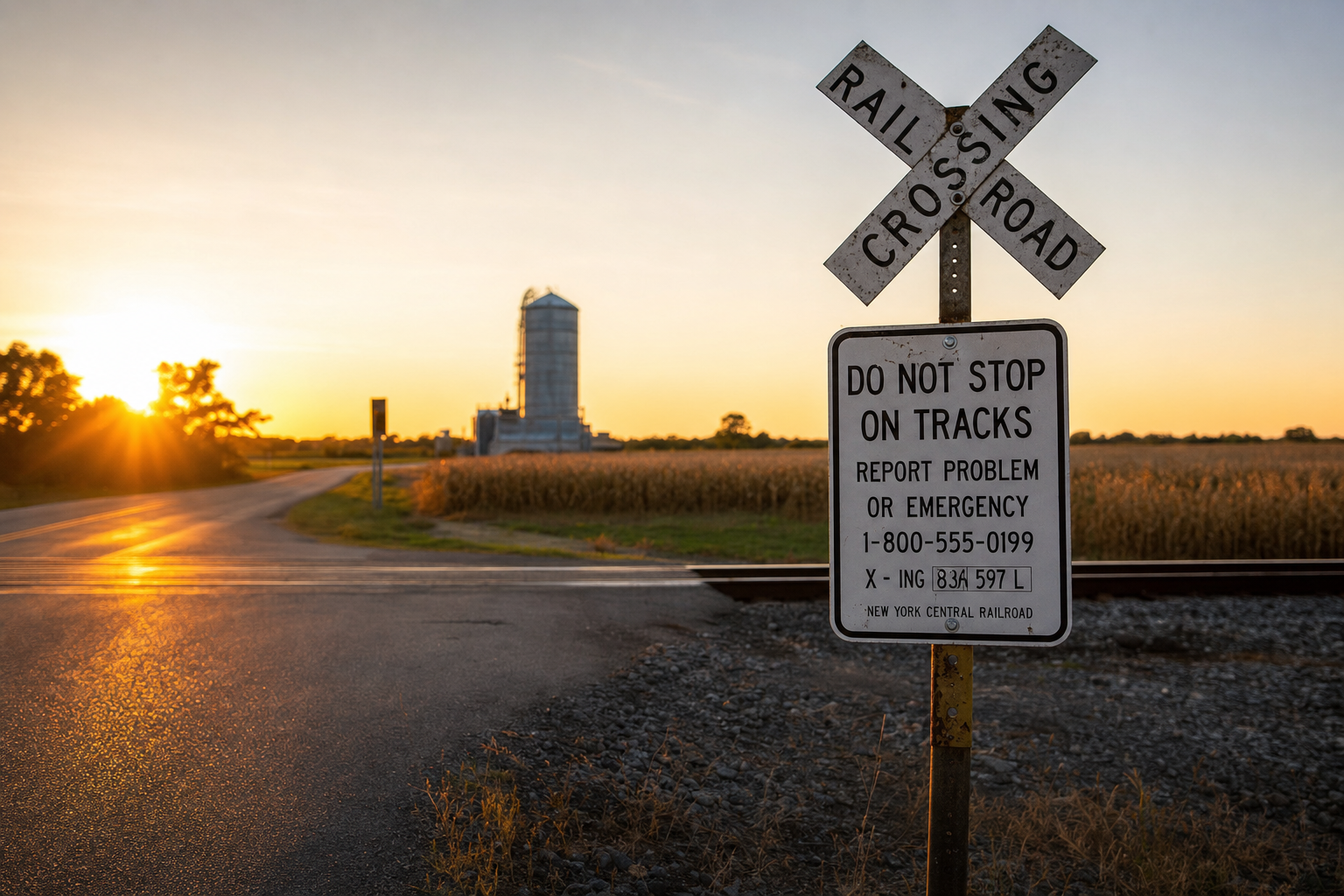
When you look at the factors that determine how these regulations apply, one element stands out above all others: the emergency contact information. In the single regulation identified, the requirement to provide a phone number for emergency contact at the crossing is the primary driver.
Why is a phone number so central to federal regulation? It comes down to the "seconds count" reality of rail safety. Railroad crossings are dynamic environments. A vehicle might stall on the tracks, a signal might malfunction, or a train might be forced to make an emergency stop that blocks a major thoroughfare for an extended period.
In these moments, the most critical piece of infrastructure isn't the gate or the light—it's the ability for a citizen or a first responder to speak directly to the railroad’s dispatch center. By mandating that this contact information be available and functional, the regulation creates a real-time safety valve. It allows the railroad to stop oncoming traffic or dispatch technicians before a manageable problem becomes a tragedy.
Locating the Problem: Beyond the Map
While the emergency phone number is the regulatory lynchpin, two other factors play a supporting role in how these crossings are managed and understood, even if they don't currently trigger separate permit requirements:
- Precise Location Details: For an emergency phone call to be effective, the person calling must be able to describe exactly where they are. This involves specific street names, highway markers, or nearby landmarks. While this might seem intuitive, the vastness of the rail network means that "the crossing on Main Street" might apply to five different towns in a single county.
- Ownership and Management: Knowing which railroad operator owns or manages a specific stretch of track is vital for administrative accountability. Every crossing is a piece of private property that the public is permitted to cross. When a crossing is blocked or a signal is broken, the responsibility falls on the specific entity managing that line.
These factors provide the context that makes the mandatory regulations work. Without a clear location and a clear understanding of who is in charge, a phone number is just a list of digits. Together, these elements form a map of responsibility.
Why Rules Focus on "Must" instead of "May"
The fact that the data shows a 1:0 ratio of regulations to permits is telling. In many industries, permits are used to grant permission for something that would otherwise be restricted—like building a house or hauling an oversized load. However, rail crossing safety is less about "granting permission" and more about "enforcing standards."
The regulatory environment is built on the premise that the safe operation of a crossing is a non-negotiable public service. Because the risks associated with rail—such as collisions or the obstruction of emergency vehicles—are so high, the government leans on mandatory regulations rather than a system of individual permits. This ensures a level playing field where every operator must meet the same baseline of safety communication.
The Impact on Local Communities
For the average person, these regulations are most visible when they don't work. A blocked crossing can be a minor nuisance for a commuter, but for a local fire department or ambulance service, it is a barrier to life-saving care.
The focus on real-time status and emergency contact information is specifically designed to mitigate these community impacts. By having a regulated system for reporting blocked tracks, local governments and rail operators can work together to improve "blocked crossing" incidents. The data gathered from these reports helps authorities understand where infrastructure improvements, like bridges or underpasses, might be necessary to separate rail traffic from road traffic entirely.
Regional Context: The United States Model
Currently, this specific regulatory snapshot focuses on the United States. The US rail system is one of the most complex in the world, featuring a mix of massive "Class I" railroads that span the continent and smaller "short line" railroads that serve specific industries or regions.
Despite this complexity, the regulatory approach remains singular. By maintaining a centralized focus on a core regulation regarding crossing status and emergency contact, the US system attempts to cut through the geographical noise. Whether a crossing is in the rural Midwest or a dense urban center like Chicago, the underlying rule remains the same: there must be a way to communicate a problem, and the operator must be reachable.
A System Built on Information
In summary, the regulations governing rail crossings are not about complex bureaucracy or a long list of permits. Instead, they are built on a very simple, very powerful principle: information saves lives.
The single regulation that defines this space emphasizes the "must"—the mandatory obligation of rail operators to provide a clear line of communication during an emergency. By prioritizing the emergency phone number as the key factor, the rules ensure that the most important tool in any crisis—the ability to share information in real-time—is always available.
While the location of the crossing and the identity of the operator provide the necessary context, it is the mandate for communication that truly shapes the safety of our intersections. As technology advances and we move toward more automated ways of tracking whether tracks are clear or blocked, these foundational rules will continue to serve as the baseline for public safety on the rails.