Navigating the Regulatory Landscape of Wrecker and Recovery Services
5 min read
When a vehicle breaks down on a busy highway or is involved in a collision, the arrival of a recovery vehicle is often the first step toward restoring order. Wrecker and recovery services are the backbone of roadside assistance and traffic incident management, yet the rules that govern them are frequently misunderstood. Unlike standard commercial trucking, recovery operations occupy a unique niche that blends transportation logistics with public safety and emergency response.
Understanding why these regulations exist—and what factors trigger them—is essential for operators, city planners, and the motoring public. While a bird’s-eye view of current data might show a count of zero specific permits and zero specialized regulations from authoritative sources at a high level, this "clean slate" tells an important story about how the industry is governed. It suggests that rather than a single, unified federal rulebook, the industry is shaped by broader transportation laws and hyper-local requirements.
The Logic Behind the Rules: Why Oversight Matters
The primary goal of any regulation in the transport sector is safety. For wrecker and recovery services, the stakes are particularly high. These vehicles often operate in high-risk environments, such as the shoulder of a midnight highway or the middle of a congested intersection.
Regulations exist to ensure three things:
- Public Safety: Ensuring the recovery vehicle can safely tow another vehicle without losing the load or causing a secondary accident.
- Infrastructure Protection: Preventing heavy recovery equipment from damaging road surfaces or bridges.
- Consumer Protection: Ensuring that towing practices are fair and that operators are held to professional standards.
When we see a lack of centralized, industry-specific permits in a data set, it often indicates that the industry is governed under the umbrella of general "motor carrier" rules. In these cases, a wrecker is treated as a heavy commercial vehicle first and a recovery tool second.
Key Factor: Gross Vehicle Weight
Perhaps the most significant factor determining which rules apply to a recovery vehicle is its gross vehicle weight. This is the total weight of the truck, its equipment, and the vehicle it is currently recovering.
Weight is a universal trigger for regulation. Once a vehicle crosses certain weight thresholds, it moves from the category of a "light-duty truck" to a "heavy-duty commercial vehicle." This shift changes everything from the type of driver’s license required to the frequency of mandatory mechanical inspections.
In the recovery world, gross vehicle weight is dynamic. A wrecker might be perfectly within a standard weight limit while traveling empty, but once it hooks up a loaded semi-truck or a piece of construction equipment, it becomes a massive heavy-load vehicle. Regulations are designed to account for this maximum potential weight, ensuring the truck has the braking power and structural integrity to handle the heaviest anticipated loads.
The Regional Breakdown: A Fragmented Map
Because our current data shows zero centralized regulations or permits, we must look at the regional breakdown of oversight. In the transport world, the "where" is just as important as the "what."
In many jurisdictions, wrecker services are managed at the state or even the municipal level. This means a towing company might not need a specific "National Wrecker Permit," but they may need a local "Police Towing Rotation Permit" or a "City Business License for Vehicle Recovery."
This regional fragmentation is why the numbers often appear as zero in high-level databases. The rules are so localized that they don't always roll up into a single, authoritative national category. For an operator, this means that moving from one county to the next can change the requirements for lighting, tow-line strength, or even the paperwork required to release a vehicle to its owner.
Permits vs. Regulations: Understanding the Difference
While the current count of zero permits and zero regulations suggests a streamlined environment, it is helpful to distinguish between these two concepts in the context of vehicle recovery.
- Regulations are the "rules of the road." They define what an operator must do, such as using specific safety chains or maintaining a logbook of hours worked. They apply to everyone in the category regardless of their specific business model.
- Permits are specific permissions granted to an individual or company. A permit might allow a recovery vehicle to exceed standard width limits to move a wide load, or it might grant a company the right to respond to accidents on a specific stretch of toll road.
The absence of these in a general index often highlights that the recovery industry is frequently self-regulated through professional associations or governed by the same "rules of the road" that apply to every other large truck on the highway.
Equipment Standards and Operational Safety
Even when specific "wrecker permits" aren't the primary focus, the equipment itself is subject to rigorous standards. These aren't just suggestions; they are the factors that prevent catastrophic failures during a recovery operation.
Factors that shape these standards include:
- Boom and Winch Ratings: The mechanical components must be rated to handle the tension of pulling a stuck vehicle out of a ditch.
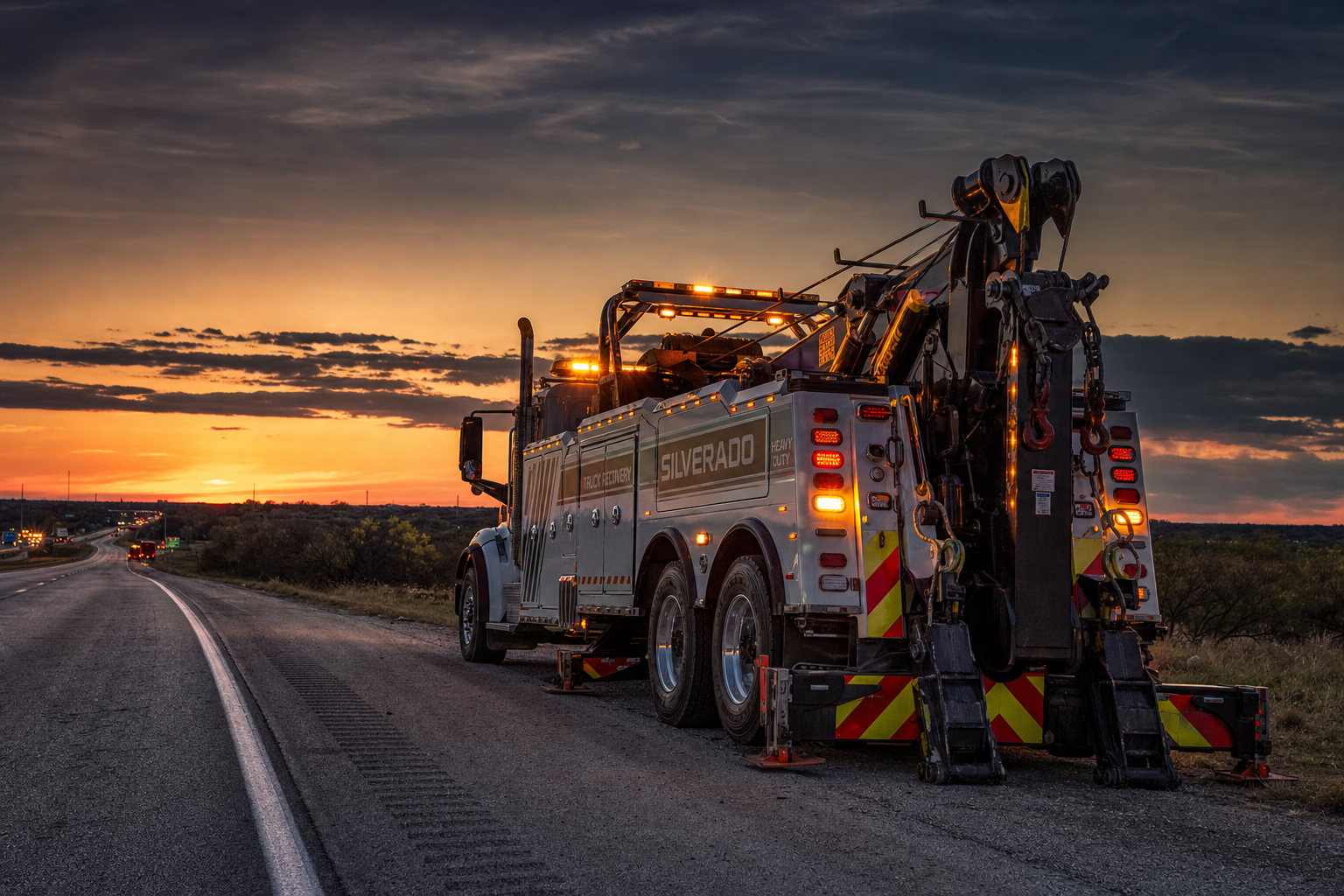
- Lighting and Visibility: Recovery vehicles are often required to have high-visibility amber or blue lighting to alert other drivers of an ongoing operation.
- Securing the Load: Regulations (often under general cargo-securement laws) dictate how many points of contact a recovery truck must have with the vehicle it is towing.
Why the "Zero Rule" Context Matters
In our current look at the data, the total of zero regulations and zero permits across authoritative sources is a significant finding. For an informed reader, this shouldn't be interpreted as a lack of law, but rather as an invitation to look at the broader "Transport" category.
Wrecker and recovery services are highly specialized, yet they are often "invisible" to general regulatory databases because they are tucked into larger categories like "Commercial Motor Vehicle Operations" or "Emergency Services." This highlights a trend in modern governance: moving away from industry-specific silos and toward broader, performance-based standards that focus on vehicle weight, road safety, and driver qualification.
Conclusion
The world of wrecker and recovery services is governed by the laws of physics and the demands of public safety. While the specific count of permits and regulations might be zero in some high-level datasets, the factors that shape the industry—gross vehicle weight, regional jurisdiction, and equipment safety—remain constant.
For those looking to understand this field, the lesson is clear: the "rules" are often found in the overlap between transportation law and local public safety ordinances. By focusing on weight limits and regional requirements, operators can navigate the road safely, ensuring that when they arrive at the scene of an accident, they are prepared to clear the way effectively and legally.
Educational resources like this provide the background necessary to see the structure behind the scenes, turning a complex web of local rules into a logical framework for professional operation. Whether you are an operator or a curious citizen, knowing the "why" behind the weight limits and the "how" of regional oversight makes the road a safer place for everyone.