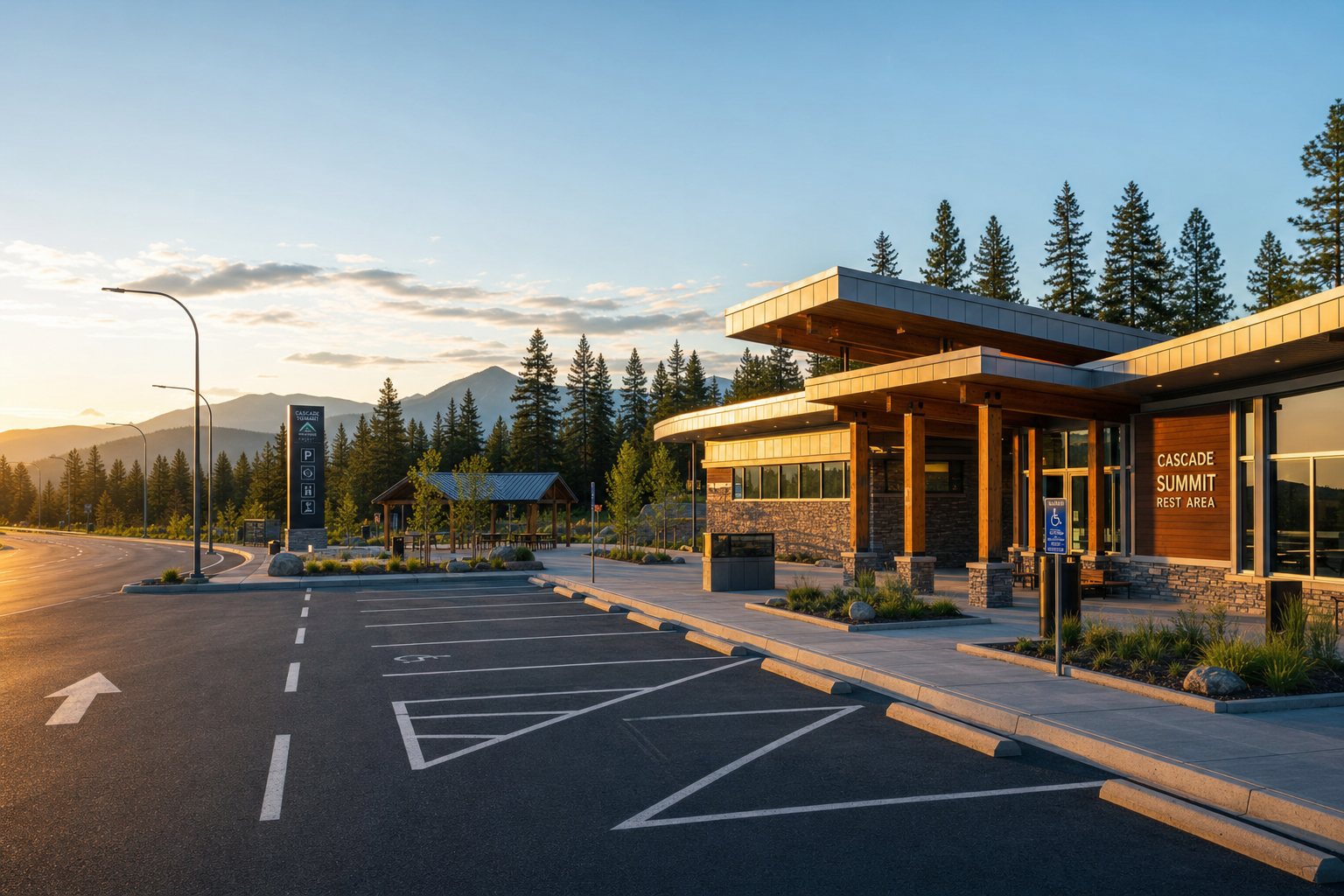
The Roadside Oasis: Understanding the Logic and Guidelines of Highway Rest Areas
5 min read
For anyone who has ever embarked on a long-distance road trip, the sight of a blue "Rest Area" sign can feel like a beacon of hope. Whether you need to stretch your legs, grab a coffee, or simply take a break from the hypnotic hum of the asphalt, these locations are essential components of our transportation infrastructure.
However, despite their appearance as simple parking lots with amenities, rest areas are governed by a specific logic designed to keep the traveling public safe and the highways moving efficiently. While a glance at current data might show a total of zero formal national regulations and zero specific permits required for individual use in this database, the reality of how these spaces are managed is rooted in a fascinating mix of safety engineering, public health, and land-use policy.
Why Do Rest Areas Have Guidelines?
At their core, rest areas exist for one primary reason: safety. Highway fatigue is a leading cause of accidents, and providing a designated space for drivers to recuperate is a proven method for reducing collisions. Because these spaces are public resources, the guidelines that govern them are focused on ensuring they remain available for their intended purpose—short-term rest—rather than becoming long-term residences or commercial hubs.
The absence of a centralized "permit" system (currently reflected as zero permits in our data) is actually a feature of the system’s design. Rest areas are intended to be high-access, low-friction environments. If a traveler had to apply for a permit just to pull over and use a restroom, the safety benefit of the rest area would be lost. Instead of a permit-based system, these areas operate under "rules of use" that act as a standing agreement between the state and the traveler.
Key Factors That Shape Usage Guidelines
Even without a complex permit structure, several key factors determine how a rest area is managed. Understanding these factors helps explain why you might see a "No Overnight Camping" sign in one location but a "8-Hour Parking Limit" in another.
Duration of Stay and Fatigue Management
The most common guideline involves how long a vehicle can remain parked. Authorities must balance two competing interests: the need for a driver to get enough sleep to be safe, and the need to keep parking spaces rotating for new arrivals.
In many regions, rules allow for enough time to nap—often between two and eight hours—but strictly prohibit "camping." The distinction usually comes down to intent. If you are sleeping in your car to prepare for the next leg of your journey, you are using the facility as intended. If you are setting up a tent, starting a campfire, or unrolling an awning, you have crossed the line into camping, which is typically managed by park services rather than transportation departments.
Vehicle Weight and Size
Rest areas are engineered to handle specific loads. Engineers look at factors such as the gross vehicle weight and the turning radius of large rigs when designing the layout of a facility.
- Commercial vs. Private: Heavy long-haul trucks have different needs than passenger cars. This is why you will often see segregated parking areas.
- Infrastructure Wear: The pavement in truck-specific lots is reinforced to handle the massive pressure of loaded trailers. Guidelines often exist to keep heavy vehicles out of "car-only" spots to prevent the pavement from cracking or sinking.
Public Health and Sanitation
With thousands of people visiting some rest areas every day, sanitation is a massive logistical challenge. Guidelines regarding pet waste, trash disposal, and even the use of "grey water" (from RV sinks) are strictly enforced to prevent the spread of disease and to protect the local environment. Because rest areas are often located in rural or environmentally sensitive areas, improper waste disposal can quickly contaminate local groundwater.
The Commercial Conflict
You may have noticed that most rest areas do not have large shopping malls or a wide variety of fast-food chains. This is not an accident; it is the result of long-standing policies regarding commercial activity on highway rights-of-way.
The "0 regulations" and "0 permits" listed in specific data sets often reflect the fact that, on many interstates, commercial activity is actually prohibited by law to prevent public rest areas from unfairly competing with private businesses located off the highway exits. While some older turnpikes have "service plazas" with full restaurants, the vast majority of rest areas are restricted to vending machines. This keeps the focus on "rest and go" rather than "stop and shop."
Regional Variations and Local Control
The way a rest area is managed often depends heavily on its surroundings. In some states, particularly in the western United States where distances between towns are vast, rest area rules are more lenient regarding stay duration because there are fewer other options for weary drivers.
In contrast, in densely populated coastal corridors, rules might be much stricter to prevent the facilities from being overwhelmed by local traffic or used as overflow parking for nearby businesses.
Common factors that change by region include:
- Weather-Related Closures: In high-altitude or snowy regions, rest areas may be closed seasonally or have specific rules regarding tire chains and engine idling.
- Security Needs: In some areas, guidelines may be shaped by the need for increased lighting or the presence of highway patrol sub-stations to ensure traveler safety after dark.
- Water Scarcity: In desert regions, rest areas may have strict rules about water usage, sometimes even closing flush toilets in favor of portable or vault options during droughts.
Navigating the Rules as a Traveler
Since there are no universal permits to carry or national regulatory codes to memorize, the best way to stay informed is to pay attention to the signage posted at the entrance of each facility. These signs are the final word on what is allowed in that specific location.
While the current data shows a total of zero rules drawn from authoritative sources in this specific category, this underscores a vital point: rest area management is a local and state responsibility. The "rules of the road" are designed to be intuitive. If you are using the space for its intended purpose—safety, hygiene, and a brief respite from driving—you are likely in full compliance with the spirit of the law.
By understanding the "why" behind these facilities, we can all help ensure they remain clean, safe, and available for the next traveler who sees that welcome blue sign on the horizon. Don't view the lack of formal permits as a lack of oversight; instead, see it as a commitment to keeping the highway system as accessible as possible for everyone.