The Logic of Road Closures: Understanding the Flow of Modern Infrastructure
5 min read
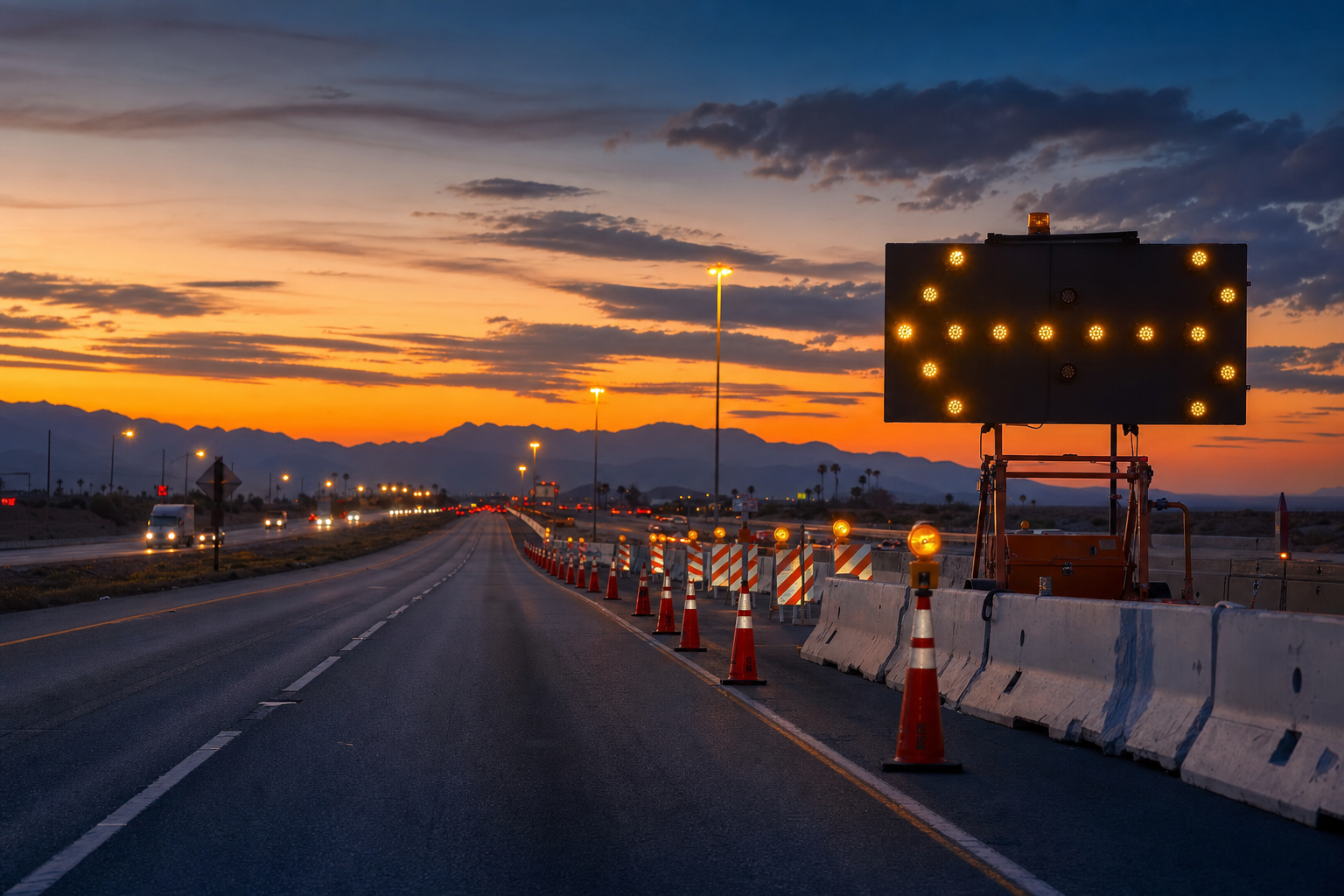
Road closures are a universal part of the modern driving experience. Whether it is a bright orange detour sign pointing through a residential neighborhood or a digital highway marquee announcing a full closure five miles ahead, these interruptions are more than just a source of frustration. They are the result of a complex balancing act between public safety, infrastructure maintenance, and the legal responsibilities of government agencies.
To understand why roads close and how these decisions are regulated, we must look beyond the physical barriers and examine the logic used by transportation authorities. While a search for static, permanent rules might yield a count of zero regulations and zero permits—reflecting that closures are typically temporary administrative actions rather than fixed laws—the underlying factors that trigger a closure are highly consistent across most regions.
Why Closures Aren’t "Permanent" Rules
When we analyze the landscape of transportation law, we often find that road closures do not appear as standing regulations or individual permits in the same way that a driver’s license or a building code does. In fact, in many comprehensive legal databases, you will find zero regulations and zero permits listed under this category. This is because a road closure is usually an "alert" or an "administrative order" rather than a permanent statute.
Because transportation is a dynamic field, the rules governing closures must be flexible. If a water main breaks or a multi-vehicle accident occurs, the authorities cannot wait for a legislative session to pass a new regulation. Instead, they rely on broad powers granted by existing transport and safety laws to issue temporary alerts. This lack of permanent, static rules highlights the fact that road management is a responsive, real-time operation.
The Factors That Determine a Closure
Even though the specific alerts are temporary, the criteria for initiating a closure are based on predictable factors. Authorities generally evaluate the necessity of a closure based on the physical characteristics of the road and the vehicles that use it.
Safety and Incident Response
The most common reason for a sudden closure is an incident. This includes everything from a minor collision to a major hazardous material spill. In these cases, the priority is the safety of first responders and the prevention of secondary accidents. Authorities assess the risk to other drivers, often closing more lanes than strictly necessary to provide a "buffer zone" for police and paramedics.
Gross Vehicle Weight and Infrastructure Integrity
Not every road is built to handle every vehicle. When a road’s structural integrity is compromised—perhaps due to a failing bridge deck or a shifting embankment—authorities look closely at gross vehicle weight. If a road can no longer support the heavy loads of commercial shipping, it may be closed to through-traffic or restricted to light passenger vehicles only. This is a preventative measure designed to stop a partial failure from becoming a total collapse.
Vehicle Dimensions and Clearance
Bridges, tunnels, and overpasses have fixed physical limits. Closures often occur when a vehicle exceeding the standard height or width becomes stuck or damages the infrastructure. In these instances, the "closure" serves two purposes: it allows for the safe removal of the hindrance and permits structural engineers to verify that the overpass is still safe for the public.
Maintenance and Planned Construction
While accidents are unpredictable, maintenance is a scheduled necessity. Road surfaces have a finite lifespan, and the factors that shape these closures involve traffic volume and the "work zone" safety requirements. Engineers must decide if they can perform work while traffic flows nearby or if the risk to workers is too high, necessitating a full closure.
The Distinction Between Alerts and Permits
In the world of transport, it is important to distinguish between the closure itself and the permissions required to navigate it. You may notice that there are zero permits listed for general road closures in this context. This is because a closure, by definition, is a withdrawal of access for everyone.
However, there are specialized "over-dimension" or "heavy haul" permits that interact with road closures. If a road is closed to general traffic but remains open for local access, a commercial driver might still need to prove their vehicle meets specific weight and size requirements. But for the general public, the closure is an absolute boundary. The absence of a "permit to enter a closed road" is a safety feature; it ensures that the only people inside a closure zone are those trained to be there, such as construction crews or emergency personnel.
Coordination Across Jurisdictions
Road closures are rarely the work of a single person. They require coordination between multiple authoritative sources, even if those sources do not publish "regulations" in the traditional sense.
- Law Enforcement: Focuses on immediate safety and traffic diversion.
- Department of Transportation (DOT): Manages long-term structural repairs and large-scale detours.
- Municipal Public Works: Handles local hindrances like fallen trees or broken water lines.
The fact that there are zero authoritative sources for "permanent" closure regulations in some datasets actually points to the distributed nature of this power. Every town, county, and state has its own protocols for how and when a road can be shut down. They operate on a principle of "public necessity," which allows them to act quickly without a specific permit for every individual event.
Navigating the Impacts
For the average citizen, a road closure is a logistical challenge. However, understanding the factors—from vehicle weight limits to incident management—can help demystify the process. When you see a "Road Closed" sign, it is rarely a result of a new law (which is why the regulation count is zero). Instead, it is a temporary response to a physical reality on the ground.
Authorities aim to keep these closures as brief as possible because of the economic impact of delayed transport. Every minute a major highway is closed, there is a measurable cost to the economy in lost time and fuel. This is why many regions are moving toward "active traffic management," where lanes are closed and opened dynamically based on real-time data, rather than relying on static, permanent barriers.
Conclusion
Road closures are a vital, if inconvenient, tool for maintaining a safe and efficient transport network. While they may not be governed by a dense forest of individual permits or fixed regulations in a standard database, they are far from arbitrary. They are shaped by the physical limits of our infrastructure, the size and weight of the vehicles we drive, and the primary mandate of public safety.
By viewing closures as temporary administrative responses to real-world incidents, hindrances, and construction needs, we can better appreciate the complex coordination required to keep our society moving. The next time you encounter a detour, remember that it isn't just a hurdle—it is a sign that the system is working to mitigate risk and preserve the long-term health of the roads we all rely on.