Understanding Road Condition Advisories: The Systems Behind Safer Travel
5 min read
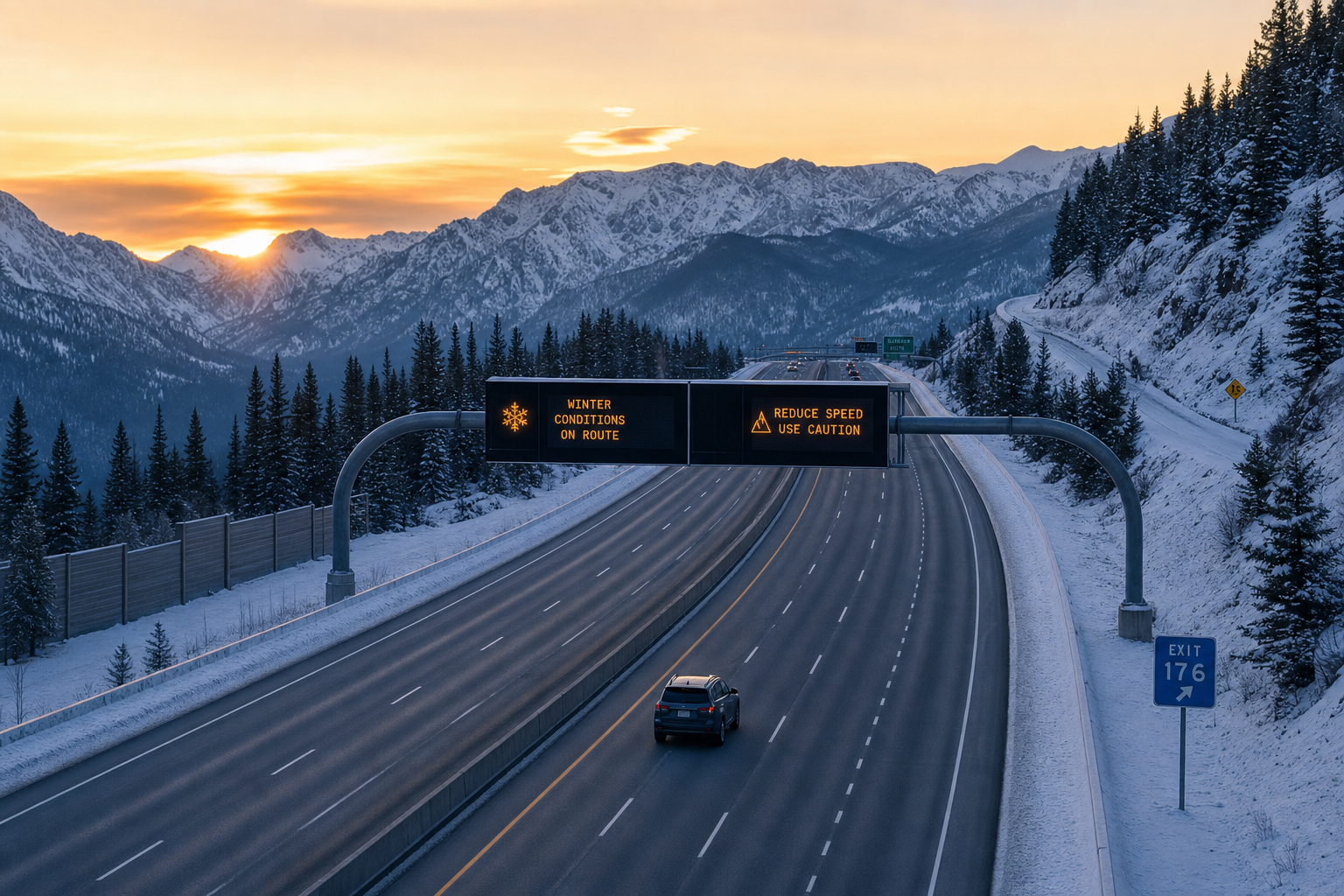
When you check a map and see a stretch of highway highlighted in deep red or a flashing digital sign warning of "Black Ice Ahead," you are interacting with a complex web of real-time data and public safety protocols. Whether it is a sudden blizzard in the plains or a flash flood in a coastal basin, the way road conditions are monitored and communicated is vital for the movement of people and goods.
Interestingly, when looking at the specific frameworks that govern the reporting and management of road conditions—including icy, snow-covered, or flooded roadways—we find a unique landscape. According to current data, there are 0 formal regulations and 0 permits across 0 authoritative sources specifically identified in this category.
To the casual observer, this might seem surprising. How can something as critical as road safety exist without a thick stack of permits or rigid regulatory hurdles? The answer lies in the nature of road conditions: they are a public service managed through operational standards rather than a commercial activity requiring bureaucratic approval.
Why the Absence of Permits?
In many sectors of transport, permits are required to perform a specific action, such as hauling an oversized load or transporting hazardous materials. However, "road conditions" are an environmental reality. You cannot "permit" a snowstorm or "regulate" the way rain falls on asphalt.
Instead of a system of permits, the management of road conditions relies on operational protocols. These are the internal rules used by departments of transportation and emergency management agencies to decide when to salt a road, when to close a pass, and how to warn the public. Because this is a core function of the government to ensure public safety, it is generally treated as a service provided to the citizenry rather than a regulated industry requiring individual licenses.
The Factors that Shape Road Advisories
Even without formal permits, the decisions made about road conditions are not arbitrary. They are governed by a set of concrete factors that determine how a road is classified at any given moment. Understanding these factors helps us understand why a road might be open for a passenger car but closed to a heavy truck, or why a "travel advisory" is issued instead of a full closure.
Weather Severity and Precipitation Type
The most immediate factor is the type and intensity of the weather. A light dusting of snow is handled differently than freezing rain. In the world of road management, "surface temperature" is often more important than "air temperature." If the pavement is cold enough to allow ice to bond to the surface, the advisory level jumps significantly. Similarly, the rate of rainfall determines whether a roadway is merely "wet" or "flooded," a distinction that relies on the drainage capacity of the specific infrastructure.
Gross Vehicle Weight and Traction
How a road condition affects a driver often depends on what they are driving. This is where "gross vehicle weight" becomes a critical factor. Heavy commercial vehicles have different braking distances and center-of-gravity challenges on icy or wind-swept roads compared to small sedans. This is why you will often see "No Light, High-Profile Vehicles" advisories during high-wind events, or requirements for tire chains that only apply to vehicles over a certain weight.
Infrastructure Design and Surface Material
Not all roads are created equal. A bridge will freeze long before the road leading up to it because air circulates beneath the structure. Similarly, the "road surface type"—whether it is porous asphalt, reinforced concrete, or gravel—determines how it responds to moisture and chemicals like salt or brine. The rules for how these roads are treated are shaped by the physics of the materials themselves.
Regional Variations in Management
While the data shows a lack of centralized "permits" for road conditions, the way advisories are issued varies wildly by region. This is because the definition of a "hazardous condition" is relative to the local environment and the resources available to manage it.
- Mountainous Regions: In high-altitude areas, "snow-covered" is an expected state for several months of the year. The focus here is on traction requirements and avalanche mitigation. The "rules" apply to the driver's equipment (such as winter tires or chains) rather than the reporting of the snow itself.
- Coastal and Low-Lying Areas: In these regions, the primary concern is often flooding. Decisions to close roads are based on "water depth" and "current velocity" across a roadway. These advisories are often triggered by automated sensors that detect rising water levels in real-time.
- The "Salt Belt": In regions that experience frequent freezing, the operational focus is on "pre-treatment." The "regulation" here is often internal to the highway department, dictating how many hours before a storm the brine trucks must be on the road.
The Goal: Information over Obstruction
The ultimate reason for the current landscape—where we see 0 formal permits and 0 specific regulations for "road conditions" as a category—is the need for speed. In an emergency, such as a fast-moving wildfire or a flash flood, there is no time for a permitting process. Information must flow freely from sensors and spotters to the public.
By keeping this category free of the traditional regulatory hurdles found in other parts of the transport sector, agencies ensure that safety remains the singular priority. The "rules" that do exist are not about restricting access for the sake of bureaucracy; they are about protecting the integrity of the infrastructure and the lives of those traveling upon it.
Staying Informed
Because road conditions change by the minute, the most important "rule" for any traveler is to remain informed. Even in the absence of a legal permit to travel on a snowy road, the advisories issued by authoritative sources are designed with your vehicle's limits and the road's physical state in mind.
When you see a road condition report, remember that it is the result of a vast, un-permitted network of weather stations, snowplow sensors, and traffic cameras all working to translate the chaos of the environment into a clear, actionable instruction. While the regulatory count may be zero, the level of oversight and the commitment to public safety remain incredibly high.