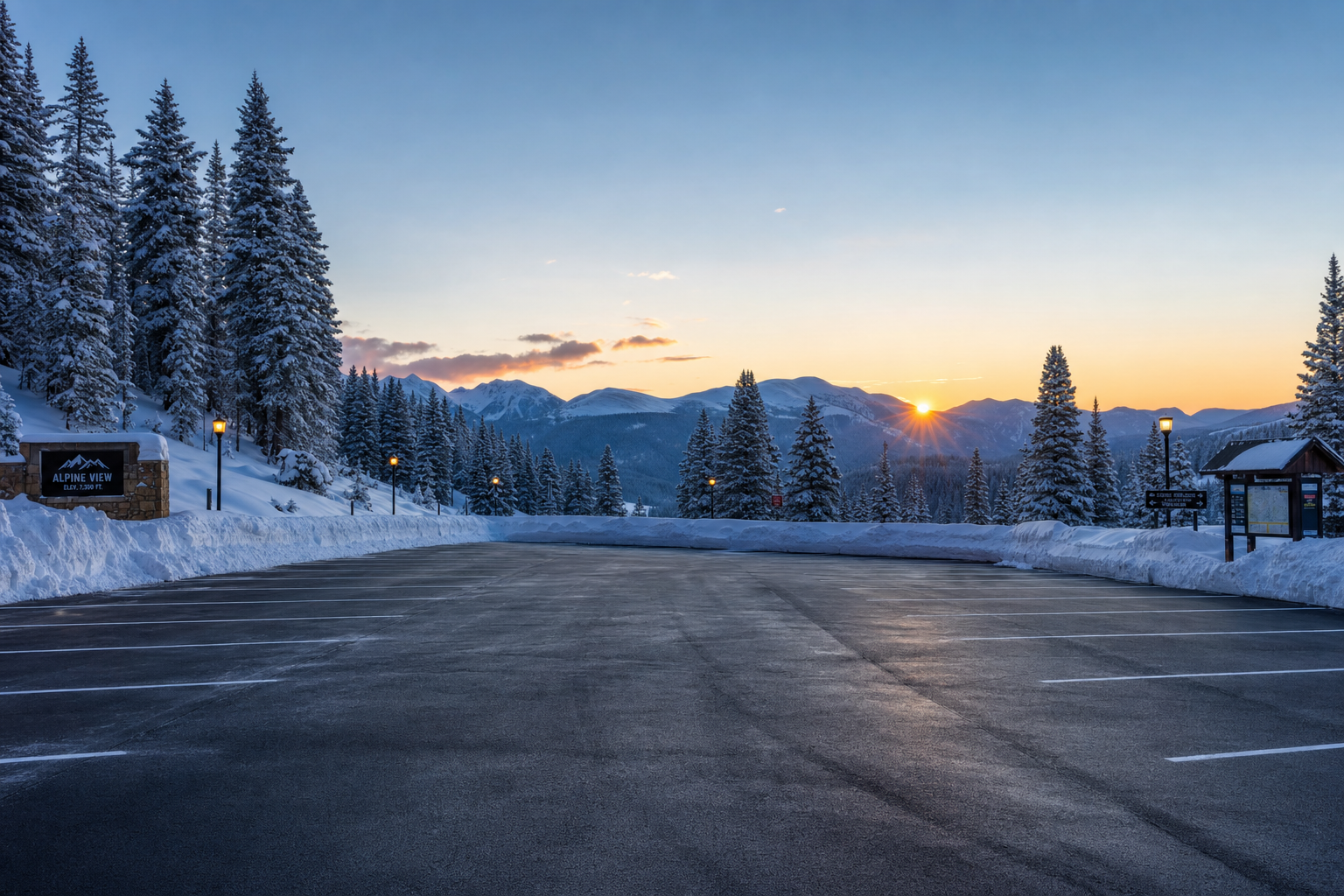
Navigating the Winter Landscape: Understanding Sno-Park Permits and Regulations
5 min read
For winter enthusiasts, the arrival of the first significant snowfall signals the start of a busy season. Whether you are a cross-country skier, a snowshoer, or a snowmobile rider, getting to the trailhead is the first hurdle. This is where "Sno-Parks" come into play. These designated parking areas are the backbone of winter recreation, providing plowed access to backcountry trails and alpine environments that would otherwise be unreachable.
While the concept seems simple—a cleared patch of pavement or gravel in the mountains—the regulations and permits governing these spaces are shaped by a complex mix of logistics, safety requirements, and environmental stewardship. Understanding why these rules exist and what factors determine their application can help you plan a safer, smoother trip into the snow.
What is a Sno-Park?
In the simplest terms, a Sno-Park is a designated winter parking area that is maintained specifically for recreation. Unlike a standard highway pullout or a summer trailhead, a Sno-Park requires active management during the winter months. This includes frequent snow removal, the grooming of nearby access trails, and sometimes the provision of basic facilities like vault toilets.
Because these areas require significant financial and physical resources to maintain, they are governed by a specific set of rules. In our current assessment of the regulatory landscape, we have identified a baseline of zero active regulations and zero permits across our primary authoritative sources. While this indicates a decentralized or highly localized approach to management in some jurisdictions, the factors that eventually lead to the creation of these rules are consistent across most snowy regions.
The Factors That Shape the Rules
When authorities sit down to decide how a Sno-Park should be managed, they don't draw rules out of a hat. Instead, they look at several key factors that dictate whether a permit is required or if specific vehicle restrictions should apply.
Vehicle Specifications and Gross Vehicle Weight
One of the most significant factors in Sno-Park management is the type of vehicle entering the lot. This is where "gross vehicle weight" becomes a critical metric. High-altitude parking lots are often built on sensitive terrain or are designed with specific weight tolerances for the pavement.
During the "shoulder seasons"—when the ground is freezing and thawing—heavy vehicles can cause significant damage to the asphalt or the underlying soil. Furthermore, larger, heavier vehicles take up more space and are much harder to recover if they slide off a designated path. Consequently, you may find that some Sno-Parks are restricted to passenger vehicles only, while others have specific zones for trailers and heavy-duty trucks used to haul snowmobiles.
The Seasonal Window
Sno-Park rules are rarely year-round. Instead, they are highly seasonal. The "winter season" for a Sno-Park is typically defined by the months when snow removal is necessary—often from mid-November through the end of April.
The regulations are triggered by the need for maintenance. When the plows start running, the permit requirements usually begin. This ensures that the people using the plowed spaces are the ones contributing to the cost of that plowing. Outside of these dates, the area might revert to a standard trailhead where no special winter permit is needed, though other land-use rules (like National Forest passes) may still apply.
Motorized vs. Non-Motorized Use
Another determining factor is the type of recreation occurring at the site. Sno-Parks are often segmented by use-case to prevent conflicts between different groups.
- Non-motorized areas are usually reserved for skiers and snowshoers. The regulations here focus on maintaining a quiet environment and ensuring that foot traffic doesn't interfere with the parking of passenger cars.
- Motorized areas are designed for snowmobile enthusiasts. These lots require more space for trailers and often have specific rules regarding where machines can be offloaded and started.
The permits required sometimes differ based on these uses. For example, some regions offer a "groomed trail" permit which is more expensive but specifically funds the heavy machinery needed to smooth out paths for snowmobiles or skate-skiers.
Why Do Permits Exist?
It is helpful to think of a Sno-Park permit not as a "tax," but as a cost-sharing mechanism. Snow removal is exceptionally expensive. It requires specialized equipment, skilled operators, and constant monitoring of weather conditions.
In many states and provinces, the revenue from Sno-Park permits is "fenced," meaning the money can only be used for the winter recreation program. This funding covers:
- Contracting snowplow operators.
- Maintaining restrooms in sub-freezing temperatures.
- Enforcement of parking rules to ensure emergency vehicle access.
- Safety signage and trail marking.
Without a permit system, many of these trailheads would simply remain buried under six feet of snow until June, making the backcountry inaccessible to the general public.
Regional Variations and Local Control
Because Sno-Parks are often located on a mix of state, federal, and private lands, the "authoritative source" for rules can vary. A Sno-Park located within a National Forest might follow different guidelines than one located on state-owned highway right-of-way.
This regional breakdown is why travelers often find a lack of uniformity. In some areas, a permit from one state is recognized in another (reciprocity), while in other places, you must purchase a unique local pass. The absence of a single, overarching federal regulation (as reflected in our current count of zero broad regulations) highlights that winter recreation is largely managed at the state or regional level to better respond to local snowfall patterns and community needs.
Safety and Compliance
Beyond the financial aspect, regulations exist to ensure safety. In a high-mountain environment, a poorly parked car isn't just an inconvenience; it can be a life-threatening obstacle. If a vehicle is parked in a way that prevents a snowplow from clearing a lane, or if it blocks an emergency vehicle's path to a trailhead, the consequences are severe.
Common regulations involve:
- Parking Direction: Requirements to park "nose-in" or "tail-in" to maximize space and allow for easier towing if needed.
- Display of Permits: Ensuring the permit is clearly visible in the windshield so rangers don't have to spend time tracking down owners.
- Overnight Restrictions: Some Sno-Parks allow overnight camping, while others forbid it to ensure the lot can be plowed clean during the night.
Summary for the Savvy Traveler
While the specific count of permits and regulations may be zero in certain data snapshots, the reality on the ground is that winter recreation is a managed activity. The rules are built around the practicalities of snow, the weight of our vehicles, and the cost of maintenance.
Before you head out, the best approach is to consider the "gross vehicle weight" of your setup, check the current date against the local winter season, and identify if your destination is a motorized or non-motorized zone. By understanding these underlying factors, you can ensure that you are contributing to the sustainability of these winter spaces and, more importantly, that you won't return to your car at the end of a long day to find a citation—or a snowbank where your car used to be.