Understanding the Rules of the Road for Timber and Forestry Transport
6 min read
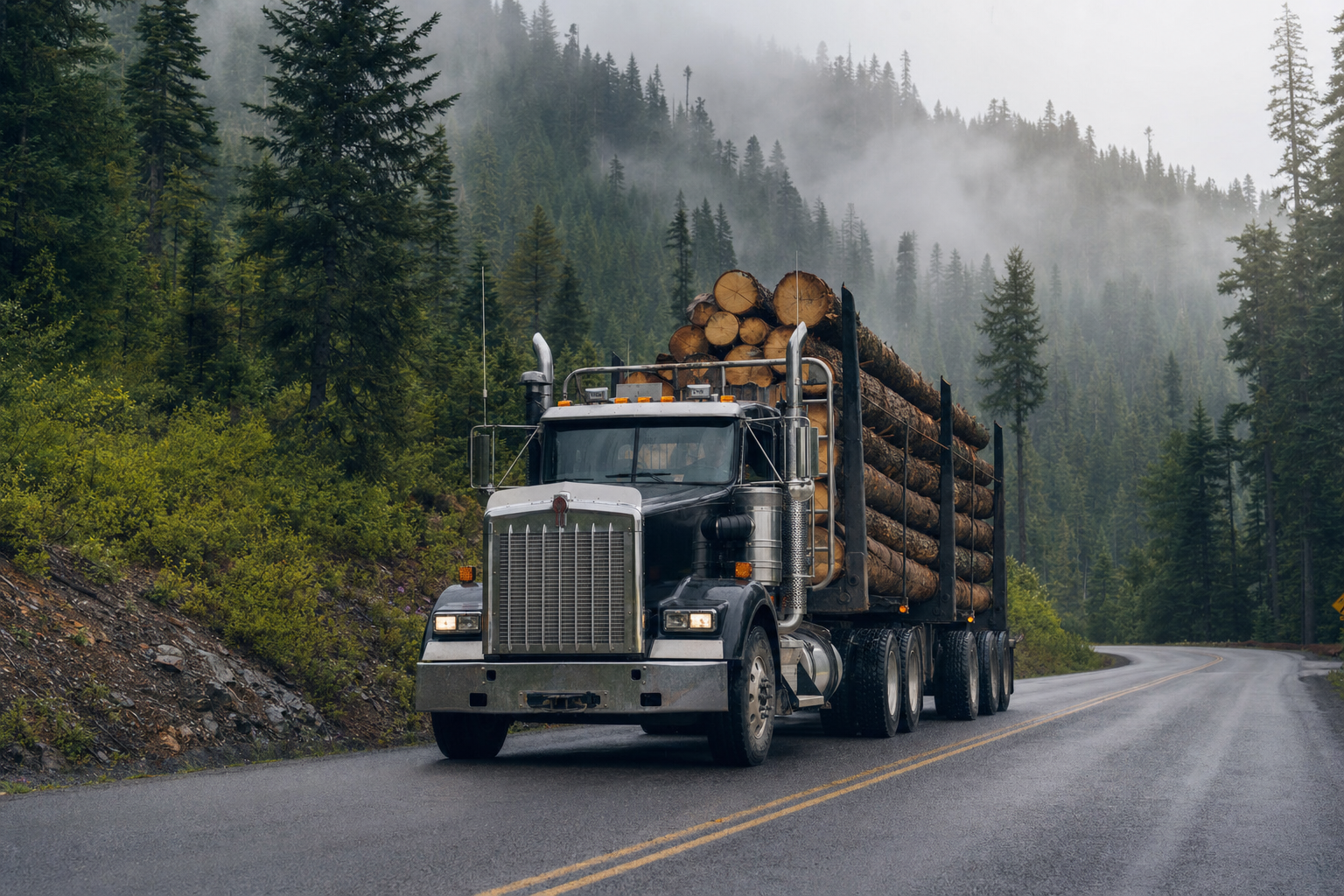
The image of a truck hauling massive, freshly harvested logs is a staple of the rural landscape. These vehicles represent the vital link between our natural resources and the products we use every day, from the framing in our homes to the paper in our printers. However, transporting timber is not as simple as loading a trailer and hitting the gas. Because of the sheer mass, unique dimensions, and environmental sensitivities involved, this sector of the transport industry is governed by a complex framework of safety requirements and operational standards.
When looking at the broad data regarding specialized oversight for this category, you may find it surprising that a specific central inventory might show zero regulations and zero permits currently listed. While that might seem like the industry is a "wild west" of unregulated movement, the reality is quite the opposite. In the world of forestry transport, the "zero" count often reflects the highly decentralized and regionalized nature of these rules. Instead of a single federal permit that covers every log truck, the industry is shaped by a patchwork of local, state, and provincial requirements that respond to specific geography and infrastructure.
To understand why these rules exist and what determines when they apply, we have to look at the physical realities of moving timber and the factors that authorities use to keep the public safe and the roads intact.
The Foundation of Oversight: Public Safety and Infrastructure
The primary reason any transport regulation exists is the management of risk. Timber transport involves loads that are exceptionally heavy and, by their nature, potentially unstable if not managed correctly.
A single log can weigh several tons, and a full trailer carries a tremendous amount of kinetic energy. If a vehicle of this size is involved in an accident, the consequences are significantly higher than those involving a passenger car. Furthermore, the infrastructure—the bridges we cross and the asphalt we drive on—has a finite lifespan that is directly impacted by the weight of the vehicles passing over it.
Because of this, the rules are designed to balance the economic necessity of moving timber with the long-term survival of public infrastructure and the safety of all road users.
Key Factors Shaping the Rules
When authorities sit down to draft the requirements for forestry transport, they focus on a few "common sense" factors. Even when a database shows no single overarching regulation, these factors are the DNA of the permits a driver eventually has to pull.
Gross Vehicle Weight and Axle Distribution
The most significant factor in timber transport is weight. Regulators look at the "gross vehicle weight"—the total weight of the truck, the trailer, and the load combined. However, it isn't just the total number that matters; it is how that weight is distributed across the road surface.
This is where "axle weight" comes into play. If all the weight of a log load is concentrated on a small area, it can crush the sub-base of a road or overstress a bridge stringer. Regulations often dictate how many axles a log truck must have and the minimum distance between them. By spreading the weight over more surface area, the "footprint" of the truck becomes lighter on the pavement, even if the total load is heavy.
Load Securement and Stability
Unlike a shipping container, which is a neat, predictable box, a load of logs is a collection of irregular, cylindrical objects. They can roll, shift, or slide during transport.
Safety requirements for securement are therefore very specific. They cover the strength of the chains or synthetic "wrappers" used to tie the logs down and the integrity of the "bunks"—the U-shaped cradles that hold the logs on the trailer. The goal here is simple: ensure that if the driver has to slam on the brakes or take a sharp turn, the load stays exactly where it was placed.
Vehicle Dimensions and Overhang
Forestry products don't always fit neatly within the standard length of a trailer. Long-length logs, often used for utility poles or high-end construction, may extend well beyond the rear of the vehicle.
When a load exceeds standard dimensions, it triggers a different set of requirements. This might include the use of high-visibility flags during the day, specialized lighting at night, or even "pilot cars" (escort vehicles) to warn oncoming traffic. The factor here is "overhang"—the amount of the load sticking out—and it determines whether a driver can operate on a standard license or needs a specialized over-dimensional permit.
The Environmental and Seasonal Context
Timber transport is unique because it begins in the woods, often on unpaved or temporary roads, and ends at a mill. This means the rules must also account for the environment and the weather.
The Impact of the Seasons
In many regions, the most restrictive rules aren't about the truck at all—they are about the temperature. During the "spring thaw," the ground beneath the roads becomes saturated with water and loses its structural integrity.
During these periods, many jurisdictions implement "frost laws" or seasonal weight restrictions. A truck that was perfectly legal to drive in the middle of a frozen January might be prohibited from the same road in April. This factor ensures that a season's worth of timber hauling doesn't result in millions of dollars of road damage that the public would have to repair.
Biological and Ecological Protection
Sometimes, the rules are about what is inside the wood. Forestry transport is a primary vector for the movement of invasive species, such as the Emerald Ash Borer or various fungal diseases.
In these cases, "quarantine zones" may dictate that certain species of timber cannot be moved across county or state lines without specific inspections or permits. Here, the factor isn't road safety, but "biological security"—protecting the health of the remaining forest from pests that might be hitching a ride on a log.
Why the Data Shows "Zero"
Returning to the observation of "0 regulations and 0 permits" in certain high-level datasets, it is important to understand that this often indicates a lack of centralized or generic rules.
In the forestry world, transport rules are frequently:
- Delegated to local authorities: County road commissions often have more say over log trucks than a national transport department.
- Contained within broader statutes: Rather than having a specific "Log Truck Law," the rules might be tucked inside general "Commercial Vehicle Weight" or "Oversize/Overweight" statutes.
- Site-specific: Regulations may be tied to the specific forest management plan or the contract for the timber sale itself.
This lack of a single, "one-size-fits-all" regulation actually allows for more flexibility. It means that rules can be tailored to the specific type of wood being moved, the specific roads being used, and the specific climate of the region.
Conclusion
The transportation of timber is a feat of engineering and logistics. While the regulatory landscape may appear empty at a glance, it is actually filled with nuanced, factor-based requirements that prioritize the longevity of our roads and the safety of our communities.
Whether it is the careful calculation of axle spacing to protect a bridge, the use of heavy-duty wrappers to keep a load secure, or the observance of seasonal weight limits during a thaw, these rules are the "invisible hand" that keeps the forestry industry moving sustainably. For the informed observer, understanding these factors turns a passing log truck from a simple vehicle into a complex example of how we balance industrial necessity with public responsibility.