Understanding Toll Regulations: The Logic Behind the Gantry
4 min read
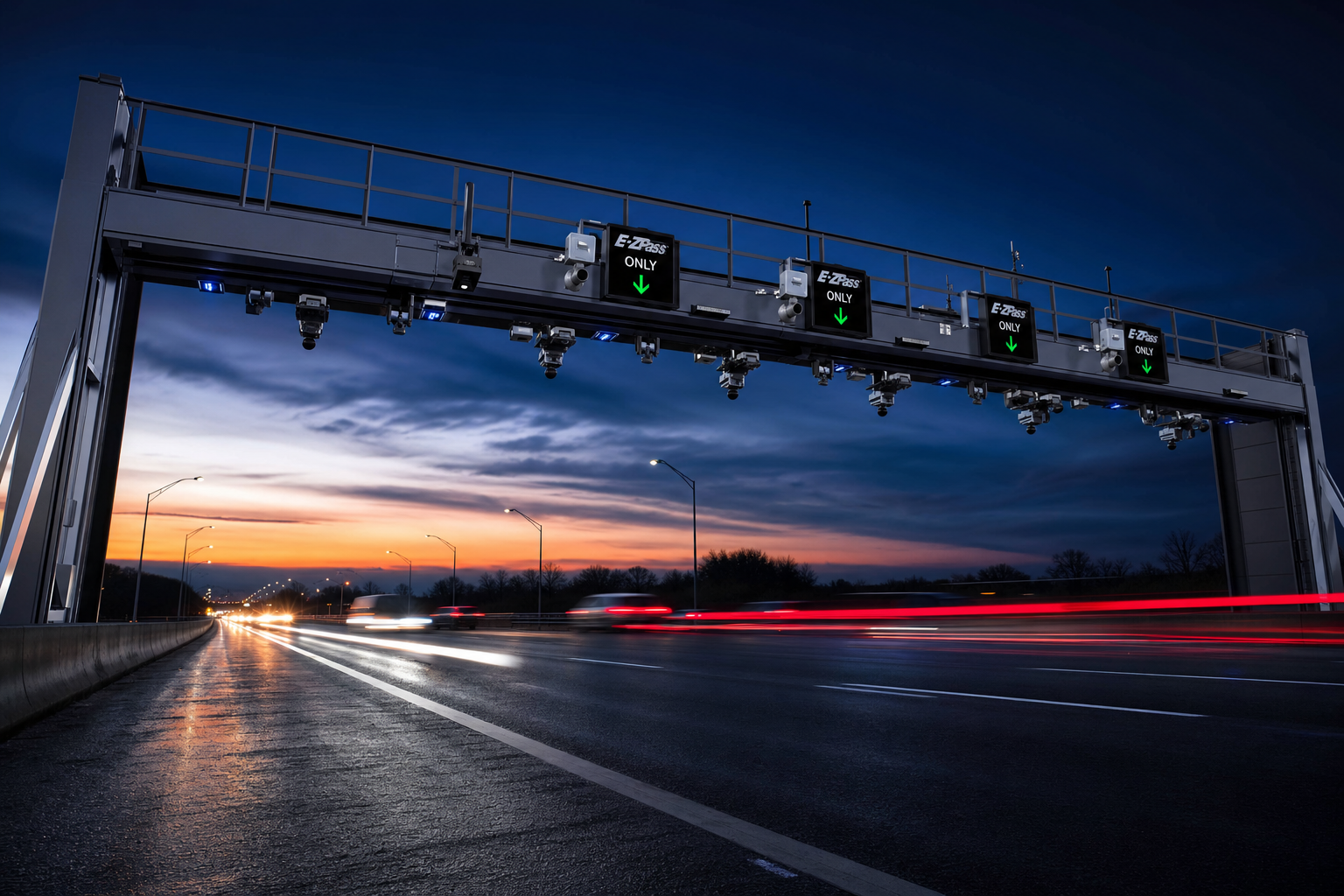
For the modern driver, the toll gantry—that metal archway spanning the highway, bristling with cameras and sensors—is a common sight. While it may seem like a simple piece of infrastructure designed to extract a fee, it is actually the physical manifestation of a complex web of regulations. These rules determine not just how much you pay, but how the data is handled, how vehicles are classified, and how infrastructure is maintained.
In North America, the shift from physical toll booths to high-speed electronic tolling has necessitated a robust regulatory framework. Currently, across several major jurisdictions, there are 16 distinct regulations that govern these systems. Interestingly, there are zero permits associated with these specific rules. This means that tolling is a mandatory regulatory environment; as a driver, you don't "apply" for the right to be tolled—you simply fall under the jurisdiction of the rules as soon as your wheels hit the pavement.
The Structure of Tolling Rules
Regulations are rarely one-size-fits-all. To understand how they apply to you, it helps to look at what legal experts call the "modality" of the rules—essentially, how binding they are. Of the 16 regulations currently in play, the vast majority are "must" requirements.
Specifically, 14 of these rules are absolute mandates, dictating exactly how tolling entities must operate and how drivers must comply. There is only one "may" regulation, which provides for discretionary actions by the tolling authority, and one "must not" regulation, which explicitly prohibits certain actions. This high concentration of mandatory rules (14 out of 16) highlights the government's need for a standardized, predictable system for revenue collection and traffic management.
These regulations are drawn from four authoritative sources, representing a coordinated effort between regional transport departments and infrastructure authorities to keep the system moving.
What Determines Your Toll?
If you have ever wondered why the person in the lane next to you might be paying a different rate, the answer lies in a set of key factors that these regulations use to categorize every single crossing. These factors aren't arbitrary; they are designed to balance the cost of road maintenance with the type of use the road receives.
Vehicle Classification and Physical Footprint
The most fundamental factor in any tolling regulation is the vehicle itself. Rules frequently look at the category classification of the vehicle (often divided into categories such as A, B, or C). These categories usually separate standard passenger cars from commercial vans or heavy-duty trucks.
To refine this further, regulations often look at the number of axles on the vehicle. A vehicle with more axles is generally heavier and exerts more "stress" on the asphalt or concrete. By basing tolls on axle counts, authorities can ensure that the vehicles causing the most wear and tear on the infrastructure contribute a fair share toward its eventual repair.
Payment Method and Status
In the age of digital commerce, how you pay is just as important as what you are driving. Regulations account for the method used to process the toll payment. For example, a vehicle using an electronic transponder requires significantly less administrative overhead than a vehicle that must be identified via license plate recognition and sent a bill in the mail.
Furthermore, the status of payment collection plays a role. Regulations distinguish between "standard" payments—those made through a valid, funded account—and "default" statuses. When a payment falls into a default category, different rules regarding late fees, notices, and enforcement begin to apply.
Frequency and Location
Not every gantry is the same. Some regulations are tied to the specific name of a toll plaza or exit point. This allows authorities to set different rules for high-congestion urban exits compared to rural segments.
Additionally, some rules are designed to reward frequent users. This is determined by the number of trips made by an individual transponder within a single calendar month. If you are a daily commuter, you might trigger a regulation that allows for a discount or a different billing structure compared to someone who only passes through once a year.
A Regional Perspective
The 16 regulations currently governing toll gantries are not spread evenly across the map. Instead, they reflect the specific infrastructure needs of different regions.
- Québec: With 10 regulations, Québec holds the majority of the rules in this category. This suggests a highly detailed and codified approach to electronic tolling, likely reflecting the province's significant investment in bridge and highway infrastructure in recent years.
- Maryland: There are 4 regulations in Maryland, where the state’s network of tunnels and bridges requires clear rules on how gantries identify and charge traffic moving through the busy I-95 corridor.
- Indiana and New York City: Both Indiana and New York City contribute 1 regulation each to this total. While NYC’s tolling environment is incredibly dense, many of its rules fall under broader transportation or bridge-and-tunnel statutes rather than gantry-specific identification regulations.
Why These Rules Exist
At their core, these regulations exist to ensure fairness and efficiency. Without the 14 "must" mandates, there would be no consistency in how a vehicle's height or weight is measured, or how a transponder is read.
By using specific factors—like vehicle category, axle count, and trip frequency—the regulations create a system where the "user-pay" principle is applied accurately. The high number of mandatory regulations ensures that when you drive under a gantry in Québec, the rules governing how your data is captured and how your vehicle is classified are just as rigorous as those in Maryland or Indiana.
While the technology behind the cameras and sensors is impressive, it is this regulatory framework that truly keeps the system running. It ensures that the revenue needed to keep bridges safe and highways smooth is collected in a way that is predictable, legally sound, and based on the actual physical impact each vehicle has on the road.