Clearing the Path: Understanding the Landscape of Snow Plow Operations and Oversight
5 min read
As winter settles across the landscape, the sight of a snow plow becomes a symbol of continuity and safety. These heavy-duty vehicles are the lifeblood of cold-weather commerce and emergency response, ensuring that life doesn't grind to a halt when the mercury drops. However, the way these vehicles operate—and the rules that govern them—is a complex blend of logistics, public safety, and environmental stewardship.
While many specialized transport sectors are heavily defined by federal paperwork, snow removal occupies a unique space. When we examine the specific data regarding centralized regulations and permits for real-time snow plow tracking, we find a count of zero regulations and zero permits from authoritative sources. This lack of a formal "paper trail" in national databases isn't an oversight; rather, it reflects how snow removal is managed. It is a highly localized, seasonal, and often public-sector activity that operates under broader transportation policies rather than a narrow set of industry-specific permits.
To understand why the rules exist and what shapes them, we must look at the factors that drive decision-making for departments of transportation and private contractors alike.
The Logic Behind the Oversight
The primary goal of any snow removal operation is risk management. Unlike standard freight transport, which follows predictable routes and schedules, snow plowing is an emergency response. Because plows operate in the worst possible conditions—low visibility, slick roads, and freezing temperatures—the "rules" are often built into operational safety manuals rather than formal legislative codes.
The absence of a specific permit for "tracking" a snow plow highlights that data transparency is currently treated as a service rather than a regulated requirement. When a city or state provides a real-time map of where their plows are, they are doing so to manage public expectations and improve efficiency, not because a federal mandate requires it.
Key Factors Shaping Operations
Several core factors determine how a snow plow is operated and what kind of oversight applies to it. These factors ensure that while the plow is clearing the road, it isn't inadvertently creating new hazards.
Gross Vehicle Weight and Equipment Size
Snow plows are massive. Often built on heavy-duty truck chassis, their gross vehicle weight is a primary factor in how they are governed. Because they exceed certain weight thresholds, operators usually must hold a Commercial Driver’s License (CDL). The size of the blade and the attachment of salt spreaders also change the vehicle's footprint, necessitating specific training on maneuverability and "swing radius." Rules exist here to prevent damage to infrastructure, such as bridges or curbs, that might not be designed for the extreme downward pressure of a plow blade.
Environmental Impact and Material Usage
What a plow leaves behind is just as important as the snow it removes. The use of road salt (sodium chloride), liquid brine, and sand is a major point of discussion for environmental regulators. Factors such as proximity to fresh water sources, local vegetation, and the long-term integrity of concrete all shape the "rules of engagement" for salt spreading. While there may not be a "plow permit," there are often strict environmental guidelines regarding how many pounds of salt can be applied per lane mile to prevent runoff from damaging local ecosystems.
Visibility and Public Interaction
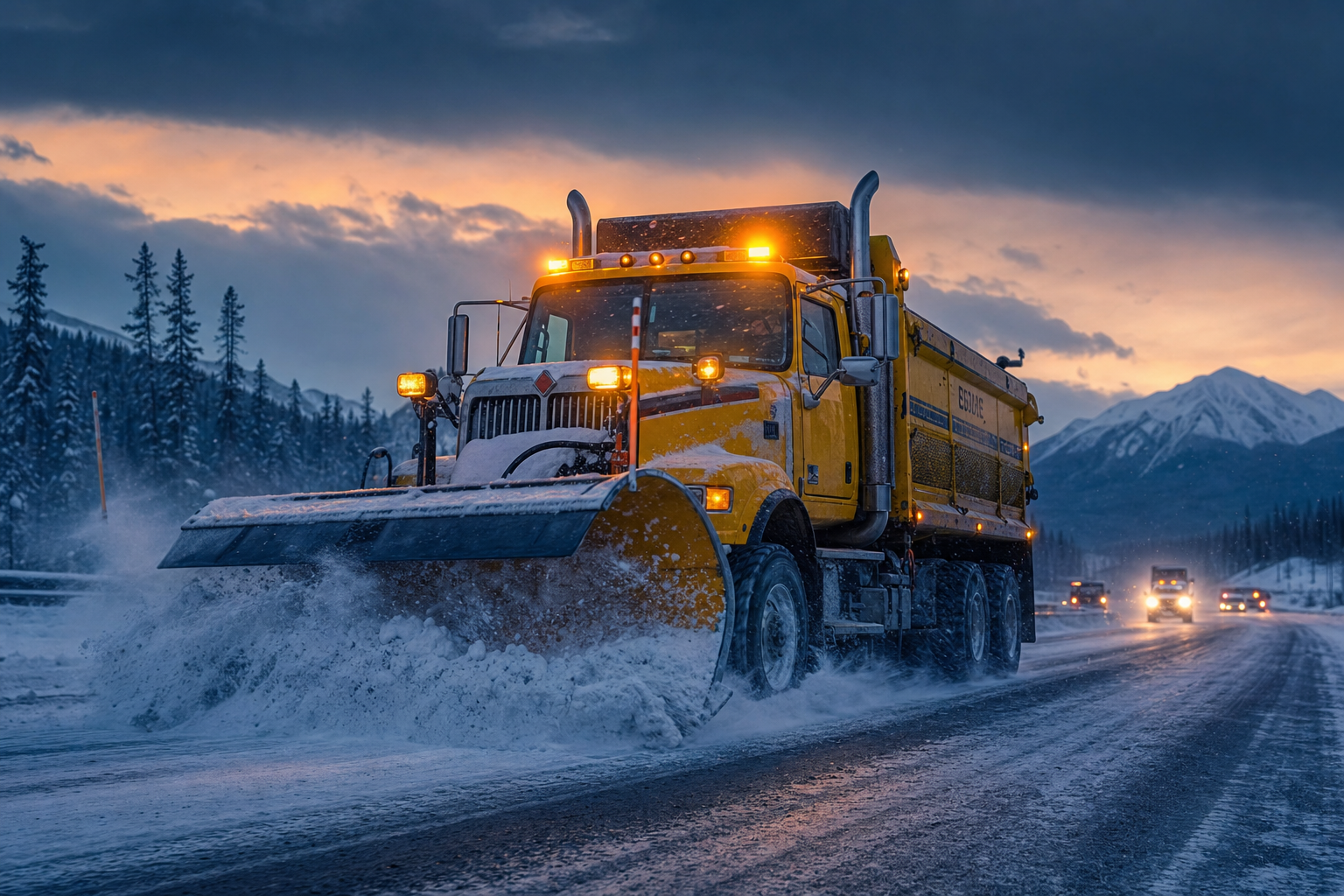
A snow plow is a mobile construction zone. To keep the public safe, regulations dictate the use of amber and blue flashing lights, reflective markings, and specific speeds. The "why" is simple: a plow moving at 25 miles per hour on a highway is a significant obstacle for a commuter traveling at 55. Most operational guidelines are designed to create a "buffer zone" around the vehicle, minimizing the chance of rear-end collisions or accidents involving the "snow cloud" kicked up by the blade.
The Role of Real-Time Tracking
The mention of "real-time tracking" in our context refers to the growing trend of telematics. Most modern plow fleets are equipped with GPS and sensors that monitor not just where the truck is, but whether the plow is up or down and how much salt is being discharged.
Even with a current count of zero formal regulations in this area, tracking is becoming a standard best practice for several reasons:
- Accountability: It allows municipalities to prove that a street was indeed plowed at a specific time.
- Efficiency: Fleet managers can redirect trucks to areas that are being hit hardest by a storm in real-time.
- Public Safety: By sharing this data with the public, drivers can choose routes that have already been cleared, reducing the likelihood of stranded vehicles.
Regional Variance: Why One Size Doesn't Fit All
The factors that shape snow plow operations change drastically based on geography. In a "Snow Belt" city, the infrastructure is built to handle frequent, heavy accumulations. Here, the rules might focus on "snow emergency routes" where parking is prohibited to allow plows to pass.
In contrast, in southern regions where snow is rare, the regulatory focus might be more on contractor mobilization. Because these areas don't maintain a full-time fleet, they rely on private permits for "for-hire" plowers who may only be needed once every few years. This regional breakdown explains why a national, centralized database might show zero permits; the authority is almost always held at the county or municipal level, tailored to the specific climate of that area.
A Focus on Educational Background
It is important to remember that the guidelines governing snow removal are meant to facilitate safety, not to create a barrier to entry. For the general public, understanding these factors helps in recognizing why a plow might be moving slowly or why it might avoid certain narrow streets during the height of a storm. For those entering the industry, it highlights that while there may not be a single "Snow Plow Permit" found in a federal registry, the responsibility of operating such a vehicle carries a significant weight—both literally and figuratively.
The current landscape of zero specific national regulations for snow plow tracking suggests an industry that is still largely decentralized. As technology advances and more states adopt open-data policies for their winter maintenance, we may see a shift toward more formal standards. For now, the "rules of the road" for snow plows remain a blend of common-sense safety, local municipal codes, and the high standards of professional transport operators.
By focusing on the physical realities of the work—the weight of the truck, the chemistry of the salt, and the visibility of the lights—we can appreciate the structured effort that goes into keeping our roads clear, even in the absence of a dense regulatory handbook.