Understanding Yard Tractor Fuel Permits: Navigating Regulations in the Intermodal World
5 min read
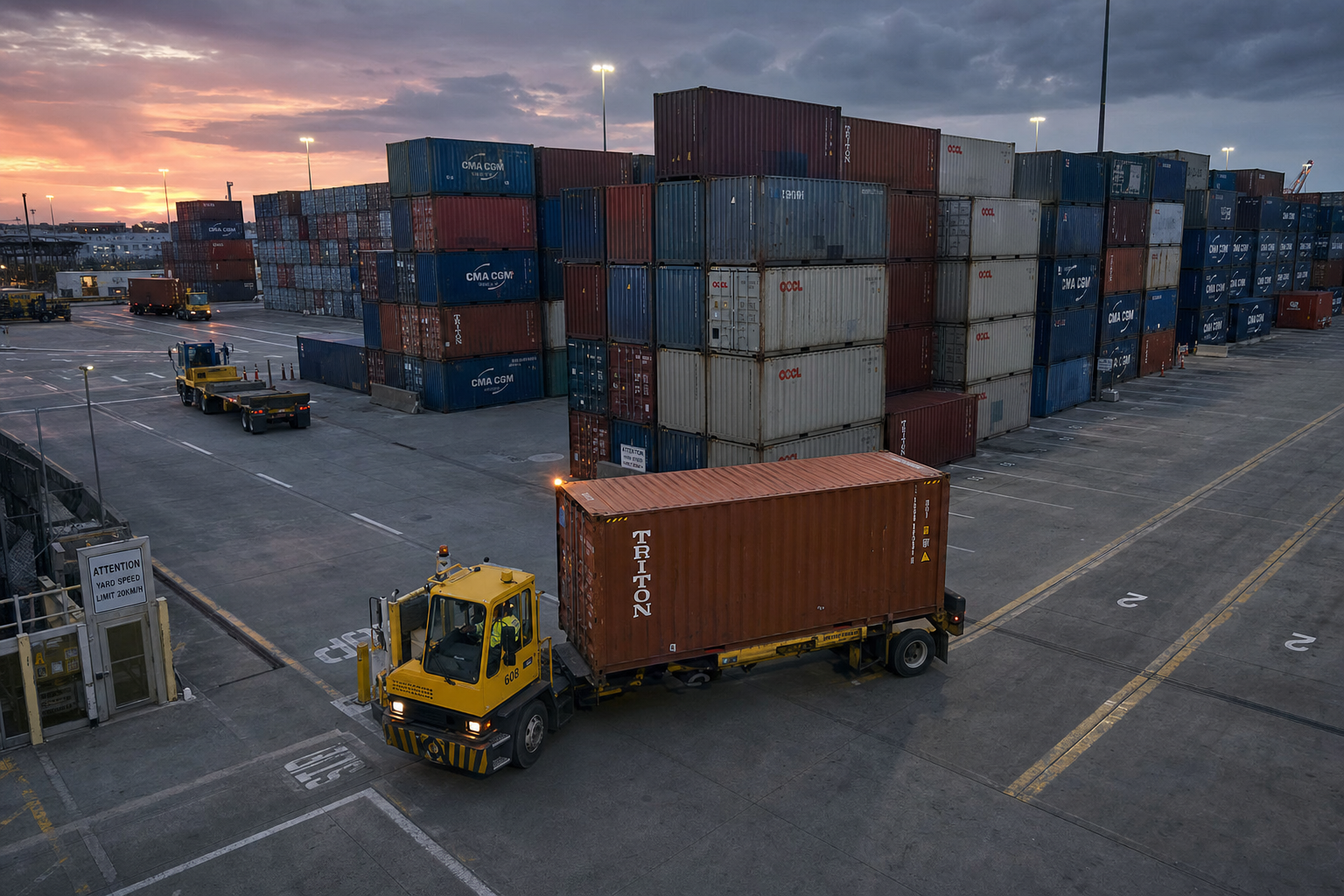
In the busy ecosystem of logistics—where shipping containers meet rail lines and warehouses—the yard tractor is the indispensable workhorse. Also known as terminal tractors, spotters, or hostlers, these vehicles are designed for a singular purpose: moving trailers over short distances with maximum efficiency. Because their life is largely spent off the public highway, they occupy a unique niche in the world of transportation law.
When it comes to fueling these vehicles, the regulatory landscape can seem quiet compared to the heavy volume of rules governing long-haul semi-trucks. Currently, looking at data across authoritative sources, there are zero specific regulations and zero permits identified specifically under the "Temporary Fuel Permit" category for yard tractors. While a "zero" in the data might suggest a lack of oversight, it actually tells a more interesting story about how these vehicles are classified and why the rules apply differently to them than to the trucks you see on the interstate.
Understanding the factors that shape these regulations—or the lack thereof—is essential for fleet managers and terminal operators who want to stay compliant while keeping their operations lean.
The Nature of the Yard Tractor
To understand why fuel permits are rarely categorized specifically for yard tractors, one must look at how these vehicles operate. Unlike a standard tractor-trailer that travels hundreds of miles across state lines, a yard tractor often never leaves the property of a port, a rail yard, or a distribution center.
Because fuel permits and the taxes associated with them are primarily designed to fund the maintenance of public roads, a vehicle that stays on private property often falls outside the traditional permitting net. However, the moment that vehicle crosses a public road or travels between two nearby facilities, the regulatory environment changes.
Why Rules for Fuel Exist
The underlying logic of any fuel permit is "user-pay." The jurisdictions you drive through want to ensure that the heavy vehicles using their roads are contributing to the upkeep of those roads via fuel taxes.
For most commercial vehicles, this is managed through the International Fuel Tax Agreement (IFTA). If a vehicle is considered a "qualified motor vehicle"—usually defined by its weight or the number of axles—the owner must report fuel consumption and mileage. A temporary fuel permit is typically a "trip permit" for those who are not registered under IFTA but need to pass through a jurisdiction.
For yard tractors, the "zero" count in specific permit requirements often stems from the fact that they are frequently exempt from these highway-centric rules, provided they stay within their designated bounds.
Key Factors That Determine Requirements
Even when specific permits aren't listed in a database, several real-world factors determine whether a yard tractor might suddenly fall under the jurisdiction of fuel tax authorities.
Gross Vehicle Weight
The most significant factor in any trucking regulation is weight. Most jurisdictions trigger fuel tax requirements once a vehicle exceeds a certain gross vehicle weight—often 26,000 pounds. While yard tractors are heavy and powerful, they are often governed by their "intended use" rather than just their weight. If a yard tractor is registered as "off-road equipment," its weight might not trigger a highway fuel permit requirement, but it may subject the owner to different types of "dyed diesel" or off-road fuel regulations.
Public Road Access and Mileage
The defining line for a temporary fuel permit is the curb. If a yard tractor must travel on a public street to reach another part of a terminal, it may technically enter the world of "on-road" vehicles.
- Intra-terminal movement: If the vehicle stays on private asphalt, it is generally exempt from fuel permits.
- Public crossings: Some jurisdictions allow for "incidental" road use, where a tractor can cross a street without needing a full suite of permits.
- Short-haul transfers: If the tractor is used to move a trailer two miles down a public road to a secondary warehouse, it may no longer be considered "yard equipment" and could require a temporary fuel permit if it isn't already registered for highway use.
Fuel Type and Environmental Standards
The move toward sustainability is changing how we look at "fuel" permits. While traditional diesel permits dominate the history of transportation, the rise of electric yard tractors and those powered by compressed natural gas (CNG) is shifting the focus. Some regions are beginning to track energy consumption for heavy equipment as part of broader carbon reduction goals, which may eventually lead to new types of "energy permits" that mirror the old fuel permit systems.
The Regional Breakdown: Why It Varies
While the aggregate data shows a current lack of specific temporary fuel permits for yard tractors, this reflects a national trend where these vehicles are treated as specialized industrial equipment. However, the regulatory "silence" can vary by region.
In heavy port states, such as California, New Jersey, or Texas, the proximity of yard tractors to public infrastructure means that oversight is often handled through environmental or safety regulations rather than specific "temporary fuel permits." In these areas, the focus is less on the tax for the road and more on the emissions produced by the fuel being burned.
In more rural or land-locked states, a yard tractor at a small distribution center might be entirely "invisible" to the Department of Transportation, as it functions more like a forklift than a truck. This lack of uniformity is why the statistical data remains at zero; there is no single, codified national permit that applies specifically to a yard tractor's fuel use in the way there is for an 18-wheeler.
Looking Forward: A Shifting Landscape
If you are operating a fleet of yard tractors, the absence of specific permit counts today does not mean a lack of responsibility. The factors we’ve discussed—weight, road use, and fuel type—are the levers that regulators pull when they decide to update their rules.
The "zero permits" status is largely a result of the yard tractor being a "borderline" vehicle—too small in its travel radius to be a traditional truck, but too large and heavy to be ignored. As logistics hubs grow more complex and the line between "the yard" and "the road" blurs, we may see jurisdictions move away from broad exemptions and toward more specific authorizations.
For now, the best approach is to understand that these rules exist to ensure fair payment for infrastructure use. As long as your yard tractor remains a "yard" tractor in the truest sense—operating on private property and performing specialized tasks—it remains in a regulatory category that values operational efficiency over highway taxation.
This article is intended for educational purposes only and does not constitute legal or compliance advice. Regulatory requirements can change frequently and vary significantly by specific location and vehicle configuration.