Understanding the Commercial Vehicle Inspection Program: Factors, Regulations, and Permits
5 min read
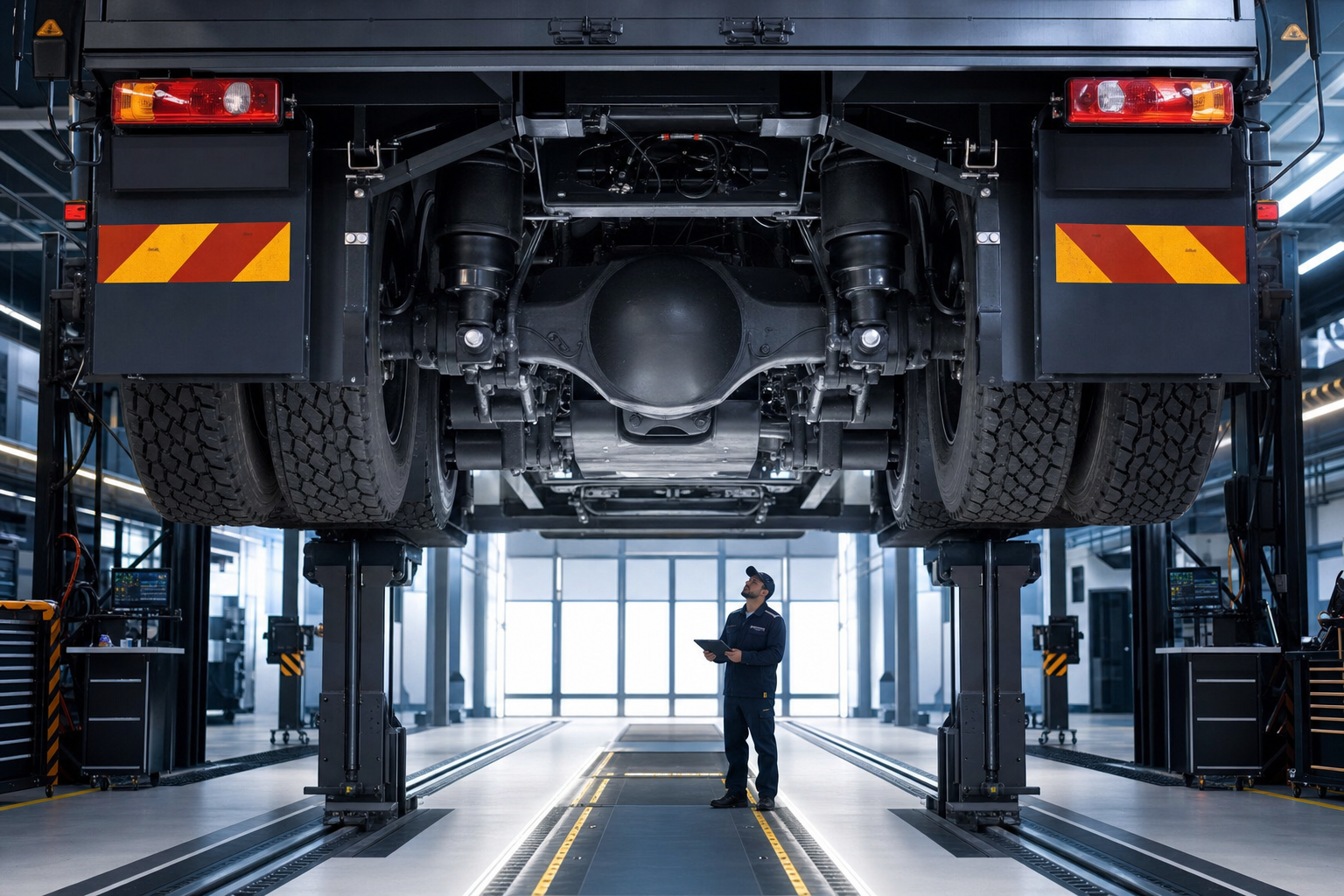
When a multi-ton commercial vehicle travels at highway speeds, the mechanical integrity of its brakes, suspension, and steering is not just a matter of operational efficiency—it is a matter of public safety. To ensure these vehicles remain in safe working order, government agencies oversee Vehicle Inspection Programs. These programs aren't just for the drivers; they specifically regulate the facilities and technicians who are authorized to perform these critical safety checks.
Understanding how these programs are structured requires looking at a mix of overarching regulations and specific permits. Currently, across two major North American jurisdictions, there are nine primary rules governing this space: one broad regulation and eight distinct permits. Interestingly, every single one of these nine rules carries a "must" modality, meaning they are non-negotiable requirements for those operating within the industry.
This guide explores the factors that determine which rules apply to a vehicle or a facility, providing a window into why the system is designed the way it is.
The Regional Regulatory Landscape
The way vehicle inspections are managed can vary significantly depending on the region. In this data set, we see two distinct approaches:
- Nova Scotia: This region focuses on the foundational framework, housing one primary regulation that sets the standards for the inspection program.
- California: This region utilizes a more granular permit-based system. With eight separate permits, California’s approach allows for more specific oversight depending on the unique characteristics of the vehicle or the hauling operation.
Regardless of the region, the goal remains the same: ensuring that every commercial vehicle on the road has been vetted by a licensed professional at a certified facility.
Key Factors That Trigger Inspection Requirements
Regulatory bodies do not apply rules at random. Instead, they use specific physical and operational "triggers" to determine when a permit is necessary or when a regulation must be strictly enforced. By looking at these factors, we can see exactly what the authorities are most concerned about: safety, road preservation, and mechanical reliability.
1. Vehicle Configuration and Axle Counts
One of the most common factors used to determine rule application is the total number of axles on a vehicle or power unit. This appears as a primary factor in multiple rules.
Why does this matter? The number of axles determines how weight is distributed across the pavement. More axles usually mean a heavier load, but they also mean more points of contact with the road. From an inspection standpoint, a vehicle with more axles has more braking components and suspension points that can fail, requiring a more rigorous look during the licensing and inspection process.
2. Vehicle Classification and Permit Types
Not all commercial vehicles are created equal. The classification of the vehicle—whether it is a standard freight truck, a passenger bus, or a specialized hauler—dictates which regulations apply.
This is often paired with the specific type of permit being sought. For instance, if an operator is applying for an "extralegal weight" permit (allowing them to carry loads heavier than standard limits), the inspection requirements become much more stringent. The system ensures that if you are pushing the limits of the road’s weight capacity, your vehicle must be in peak mechanical condition to handle that stress.
3. Structural History and Modifications
Rules are often triggered by a change in the vehicle’s status. Specifically, if there has been a change of ownership, a change in configuration, or a significant modification to the vehicle, it often necessitates a new round of oversight.
A vehicle that was safe when it left the factory might become a risk after it has been modified to carry a different type of load. Similarly, a change in ownership provides a logical "checkpoint" to ensure that the vehicle has been maintained correctly before it continues its service under a new operator.
4. Fixed Loads and Specialized Equipment
Standard trailers are designed to be loaded and unloaded, but some vehicles are "fixed-load" units. This category includes:
- Mobile cranes
- Self-propelled specialized units
- Permanent trailer-mounted equipment
Because these vehicles carry their maximum weight 100% of the time, they experience different types of structural fatigue than a standard cargo truck. Consequently, they are often subject to specific permits. The same applies to vehicles equipped with a "mechanical distribution unit" (MDU), which is a specialized system used to spread heavy loads across more axles. These complex mechanical systems require specialized knowledge to inspect, which is why they are a key factor in determining which rules apply to a technician or facility.
5. Weight Distribution and Steering Safety
Safety isn't just about total weight; it’s about where that weight sits. Regulations often look at the total weight currently recorded on the steering axle of the power unit. If the steering axle is overloaded, the driver may lose the ability to navigate effectively, especially in poor weather.
Furthermore, if a vehicle combination has a "known issue" with weight distribution or dimensional inconsistency—meaning it’s naturally prone to being unbalanced or awkwardly shaped—it will likely trigger additional permit requirements. These rules exist to prevent "fishtailing," rollovers, and braking failures caused by improper loading.
Why These Rules Exist
It is easy to view permits and regulations as mere paperwork, but in the context of a Vehicle Inspection Program, they serve three vital functions:
Public Safety
The primary driver is the prevention of catastrophic mechanical failure. By licensing the facilities and the technicians, the government ensures a "chain of accountability." If a technician is found to be cutting corners, their license can be revoked, ensuring that only qualified individuals are making the call on whether a truck is roadworthy.
Infrastructure Protection
Roads and bridges are expensive to build and maintain. Vehicles that are over-weight or have poorly distributed loads cause exponential damage to the pavement. By using factors like axle counts and steering weight to trigger specific permits, authorities can ensure that the vehicles on the road are not causing more damage than the infrastructure can handle.
Consumer and Driver Protection
For trucking companies, these programs provide a level playing field. When every facility must meet the same high standards for licensing, it prevents a "race to the bottom" where companies might seek out the most lenient inspectors to save money on repairs. It ensures that the driver behind the wheel is operating equipment that has been checked against a rigorous, standardized checklist.
Conclusion
The nine "must-follow" rules across California and Nova Scotia form a safety net for the motoring public. Whether it is a regulation in Nova Scotia or a specialized permit in California, these requirements are shaped by the physical realities of the vehicles—how many axles they have, how much they weigh at the steering wheel, and whether they have been modified over time.
For those in the industry, understanding these factors is the first step toward a smoother licensing and inspection process. For the general public, these rules offer peace of mind that the heavy vehicles sharing the highway are being held to a high standard of mechanical integrity.
This article is provided for educational purposes and intended as a general overview of the factors shaping vehicle inspection programs. It does not constitute legal advice. For specific compliance requirements, always consult the official transportation authorities in your jurisdiction.