Navigating the Heights: A Guide to High Load Corridor Permits and Regulations
5 min read
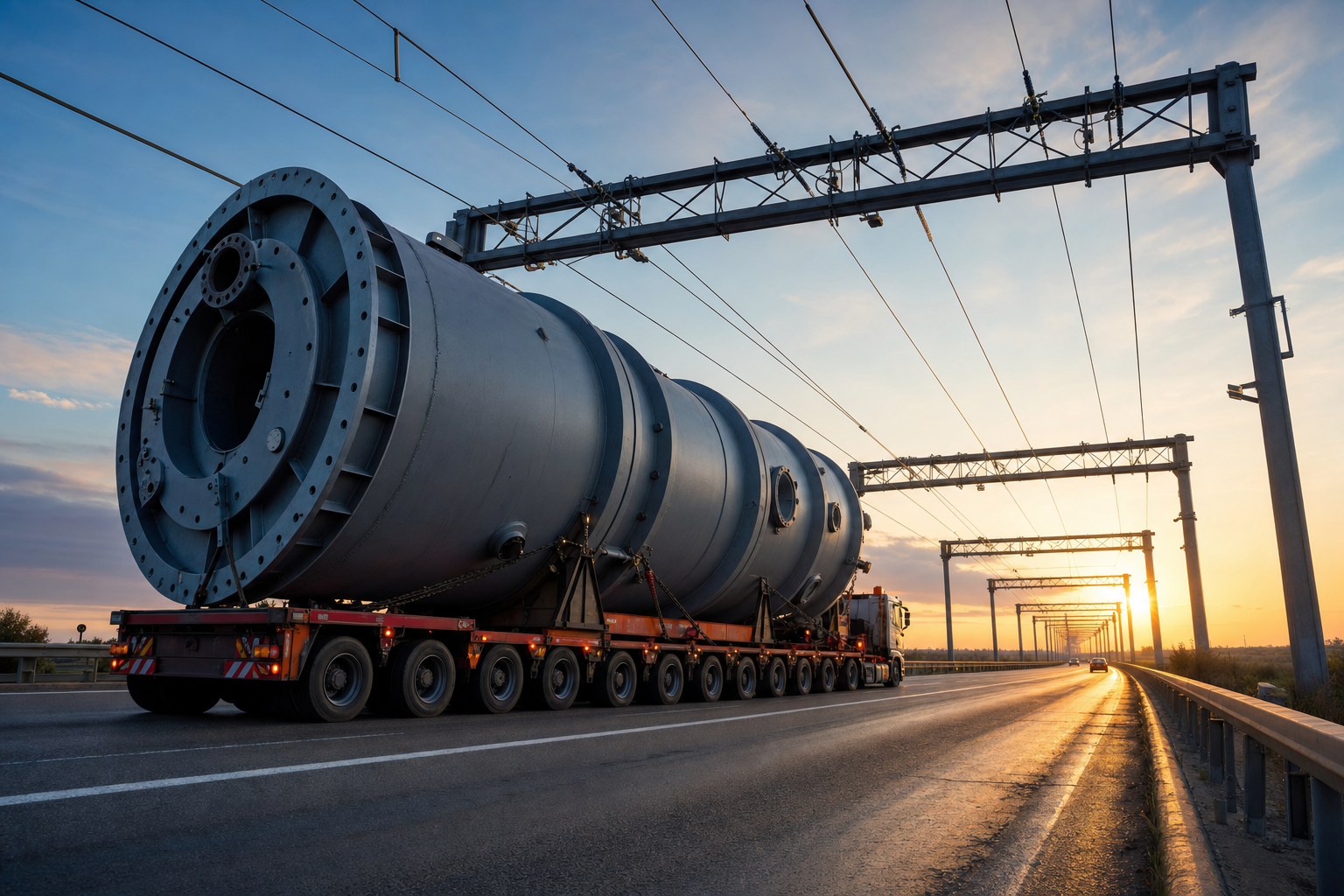
When we think about freight and logistics, we often focus on the weight of a truck or the length of a trailer. However, in the world of specialized transport, there is a dimension that presents a unique set of engineering and safety challenges: vertical height. To manage these "giants of the road," authorities have developed specific systems known as High Load Corridors.
Understanding the rules governing these corridors is essential for anyone involved in heavy industry, infrastructure development, or specialized logistics. In this article, we will explore the factors that shape high load regulations, why these rules are almost exclusively focused on permits rather than general regulations, and how the specific geography of Alberta, Canada, sets the standard for moving massive equipment.
What is a High Load Corridor?
A High Load Corridor is a designated network of highways specifically engineered to accommodate loads that are significantly taller than the standard legal limits. On a typical highway, vertical clearance is restricted by overpasses, pedestrian bridges, and, perhaps most importantly, overhead utility lines such as power and telecommunications.
In a High Load Corridor, these obstructions are either physically moved or designed to be adjustable. For example, power lines might be buried or raised to a height of 9 meters or more, and traffic signals might be mounted on rotating bases that can be swung out of the way. These corridors create a "clear path" for the massive components used in sectors like oil and gas, manufacturing, and modular construction.
The Data Behind the Rules
To understand how these corridors are managed, we can look at the data governing their use. Across the authoritative sources analyzed for this category, we find a very specific regulatory structure:
- Total Rules: 2
- Regulations: 0
- Permits: 2
- Binding Nature: Both rules are classified as "must" requirements, meaning they are mandatory for any operator falling under their scope.
The most striking takeaway from these statistics is the absence of general regulations in favor of permits. This isn't an accident. Because high loads are so exceptional and pose such a high risk to infrastructure, the government does not simply "regulate" them through a list of standing rules. Instead, they require a specific permit for every move. This allows authorities to review the exact dimensions and the specific route before a vehicle ever turns a wheel.
Key Factor: The Vertical Height of the Load
The single most important factor determining whether you need to interact with these rules is the vertical height of the load being transported. In our analysis, this factor appeared in 100% of the documented rules.
Standard height limits for vehicles are usually around 4.15 meters (approx. 13.6 feet). Once a load exceeds this height, it can no longer move freely on most roads. As the load grows taller, it triggers the requirement for specialized permits.
Why is height so strictly monitored?
- Infrastructure Protection: Striking an overpass or a bridge can cause millions of dollars in structural damage and potentially lead to a catastrophic collapse.
- Public Safety: Tearing down overhead power lines doesn't just stop the truck; it can electrocute bystanders, start fires, and cut off electricity to entire communities or hospitals.
- Stability: Extremely tall loads have a higher center of gravity, making them more prone to tipping or "rolling" during turns or in high winds.
When a permit is issued based on vertical height, it often comes with a set of mandatory conditions. These might include the use of "pilot cars" equipped with height poles—long, flexible rods that sit at the same height as the load. If the pole hits an obstruction, the pilot car warns the truck driver to stop immediately.
Regional Focus: The Alberta Example
The data indicates a heavy concentration of these rules in a specific region: Alberta, Canada. Out of the permits identified, all of them are centered in this province.
Alberta is a global leader in High Load Corridor management because of its unique economic landscape. The province's north is home to massive industrial projects, such as the oil sands, while its manufacturing hubs are often located in the south or near major cities like Edmonton and Calgary. Moving a vessel that is six stories tall from a fabrication shop to a project site requires a level of coordination that standard highways simply cannot provide.
In Alberta, the High Load Corridor is a multi-million dollar investment in the economy. By centralizing these permits and ensuring that the corridor stays "clear," the province allows industry to move larger pieces of equipment than would be possible anywhere else in North America. This reduces the need to "field-weld" or assemble equipment on-site, which is often more expensive and dangerous than building it in a controlled factory setting and shipping it whole.
Why "Must" Means "Must"
The modality of these rules is strictly binding. Both identified permits carry a "must" requirement. In the world of high-load transport, there is no room for "should" or "best practices."
When a permit states that a driver must follow a specific route or must coordinate with a utility company to lift power lines, it is a legal requirement. Deviating from a permitted route by even a single block could lead to the truck encountering an unmapped bridge or a low-hanging wire.
Furthermore, the permit process often requires coordination with third parties. If a load is tall enough to interfere with high-voltage transmission lines, the permit will mandate that the utility company have crews on-site to physically lift or disconnect those lines as the truck passes. This is a highly choreographed dance between the transport company, the government, and the utility providers.
The Importance of Route Integrity
While the vertical height of the load is the primary trigger for the permit, the specific highway or road identifier is the context in which that permit exists. Although a highway identifier might not be the "triggering" factor in the same way height is, it is the fundamental "where" of the rule.
A High Load Corridor permit is generally only valid for the specific route listed on the document. Because the infrastructure on these corridors has been specially modified, the permit ensures the driver stays on the path that has been vetted for their specific height. If a driver takes a detour to avoid traffic, they are no longer protected by the corridor's clearances, and the risk of a strike increases exponentially.
Summary
High Load Corridors are a testament to the intersection of engineering and regulation. By focusing on the vertical height of a load as the primary determining factor, authorities can manage the significant risks associated with tall freight.
The data shows us that this is a field governed not by general "blanket" rules, but by specific, mandatory permits. This is particularly evident in industrial hubs like Alberta, where the ability to move massive infrastructure is a key part of the regional economy. For the informed observer, these rules represent a necessary safeguard that allows our modern world to build bigger and reach higher, all while keeping the lights on and the bridges standing.