Understanding Multi-Trip Operations: A Guide to Specialized Equipment Permits
5 min read
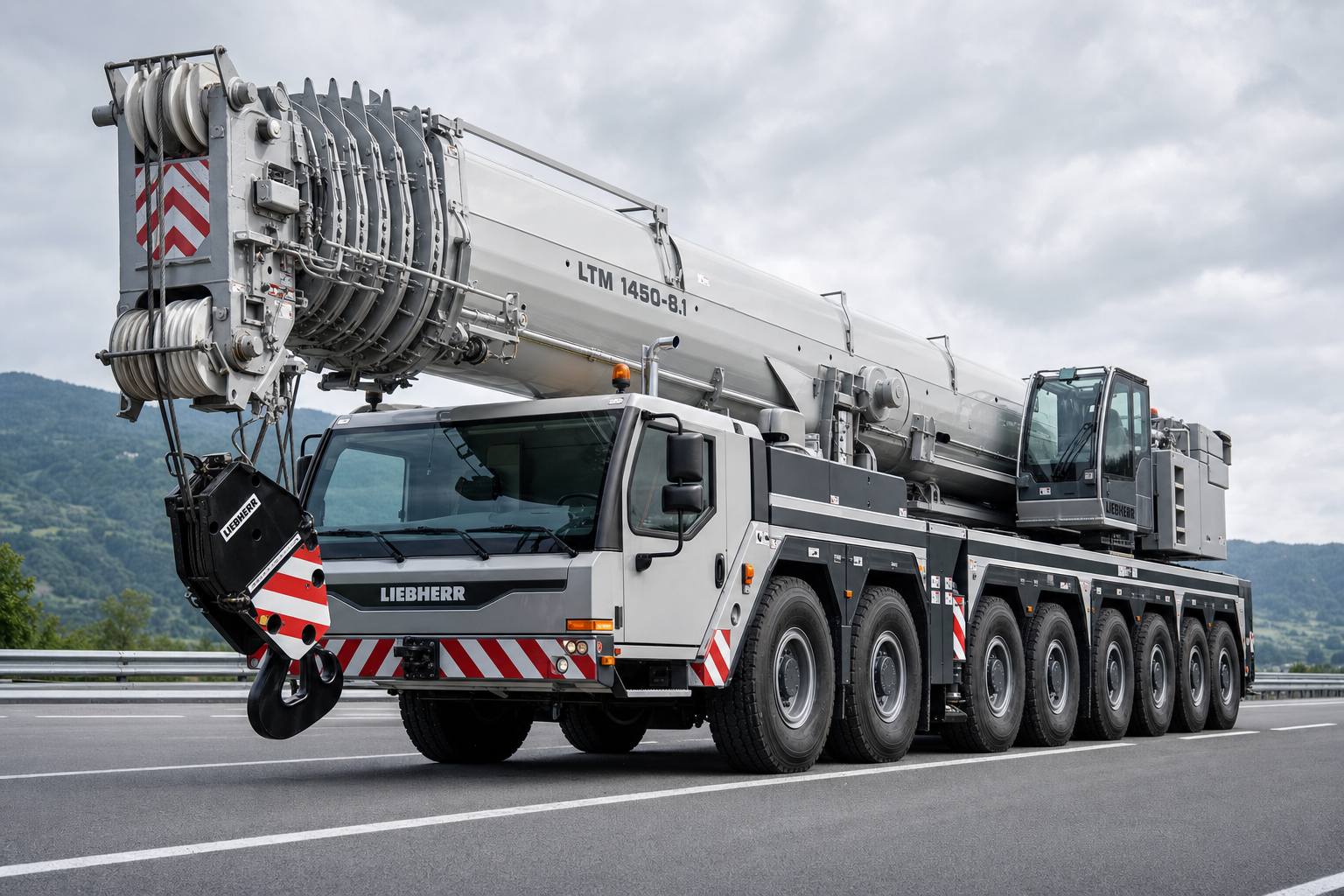
In the world of heavy transportation, most people think of standard tractor-trailers hauling goods across the country. However, there is a specific category of vehicles that doesn't fit the standard mold: specialized mobile equipment. These are the giants of the road—massive mobile cranes, service rigs, and other heavy-duty machinery designed for construction, energy, and infrastructure projects.
Because these vehicles are often oversized or overweight, they cannot simply operate under standard traffic laws. Instead, they fall into the category of "Multi-Trip Operations." This framework allows these essential tools to move between job sites multiple times under a single authorization, rather than requiring a new permit for every single turn of the key.
Understanding how these rules are shaped—and why they exist—is crucial for anyone involved in heavy industry, logistics, or infrastructure planning.
The Purpose of the Permit: Infrastructure and Safety
The primary reason specialized permits exist is simple: road protection. Our highway systems and bridges are engineered to withstand specific weights and pressures. A standard commercial truck distributes its weight across several axles to minimize the "footprint" of its load. Specialized equipment, however, often features concentrated weight or unusual dimensions that can cause accelerated wear and tear on pavement or, in extreme cases, structural damage to bridges.
Multi-trip permits serve as a bridge between the needs of industry and the longevity of public infrastructure. By establishing a permit system, authorities can ensure that the specific equipment being moved is compatible with the routes it intends to take.
In jurisdictions like Alberta, the regulatory environment for these operations is highly focused. Based on authoritative data, the framework for these movements is built around a single, mandatory permit structure rather than a vast web of general regulations. This "permit-centric" approach allows the province to maintain tight control over heavy loads while providing the industry with the flexibility of recurring authorizations.
Key Factors: What Determines if You Need a Permit?
Not every heavy vehicle is treated the same. When authorities determine whether a multi-trip permit is required—and what the conditions of that permit will be—they look at a few primary factors.
The Specific Type of Equipment
The most significant factor in the permitting process is the nature of the vehicle itself. A mobile crane is not the same as a service rig used in oil fields, even if they weigh roughly the same. The way the weight is distributed, the height of the unit, and how it handles corners all play a role in the "must-follow" rules.
Authorities categorize equipment to predict how it will behave on the road. For example, a crane with multiple steering axles has different maneuverability requirements than a rigid service rig. The data shows that the specific type of equipment or trailer is the single most common factor used to determine which rules apply.
Permanently Mounted Equipment
Another factor that authorities consider is whether the equipment is a permanent part of the vehicle or a temporary load. In the world of multi-trip operations, many of the vehicles are "self-propelled" or "specially constructed."
If a piece of heavy machinery is permanently mounted to the chassis, it is often viewed as a single, cohesive unit. This changes how it is weighed and measured. Unlike a trailer that might carry different loads every day, a permanently mounted service rig has a static weight profile. This allows regulators to issue long-term permits with more confidence, as the vehicle’s physical characteristics aren't going to change from trip to trip.
The Nature of Multi-Trip Authorization
The "multi-trip" aspect itself is a defining factor. A single-trip permit is usually very restrictive, defining a specific start point, an end point, and a narrow window of time.
A multi-trip permit, however, is designed for recurring work. It allows a crane company, for example, to move from a yard to various job sites within a specific region or along a set of approved corridors for an entire season or year. This reduces the administrative burden on both the business and the government, provided the equipment meets strict safety and weight thresholds.
The Regional Landscape: Focus on Alberta
When we look at the statistics of how these rules are implemented, the regional breakdown is revealing. In Alberta, for instance, the system is governed by a single, definitive permit requirement. There are zero general "regulations" in this specific category that apply without the context of the permit itself.
What does this mean for operators? It means that in Alberta, the permit is the law. The requirements are not found in a broad, catch-all handbook, but rather in the specific conditions of the multi-trip authorization. This "must-comply" modality ensures that every specialized vehicle on the road has been individually vetted or fits into a pre-approved equipment category that the province’s infrastructure can handle.
Why the Rules are "Must" Instead of "Should"
In many areas of transportation, there are "guidelines" or "best practices." However, in the realm of multi-trip operations for specialized equipment, the rules are almost exclusively mandatory.
The data indicates a "must" modality for these rules. There is no room for interpretation because the stakes are too high. If a 60-ton crane crosses a bridge that is only rated for 40 tons, the result isn't just a fine—it could be a catastrophic infrastructure failure. Therefore, the permits are legally binding documents that dictate exactly when, where, and how these vehicles can move.
Navigating the Process
For those operating in this space, the process usually begins with an evaluation of the vehicle's "footprint." This includes:
- Weight Distribution: How much weight sits on each axle?
- Dimensions: Is the vehicle over-width or over-length for standard lanes?
- Route Planning: Are there overhead obstructions or weight-restricted bridges on the intended path?
Because multi-trip permits are recurring, the initial application is often more rigorous than a single-trip request. The government wants to ensure that the vehicle is safe for "all-weather" or "all-season" travel before granting a long-term authorization.
Educational Summary
Multi-trip operations are the backbone of heavy industry, allowing the massive tools of construction and energy to get where they need to be without a mountain of daily paperwork. By focusing on the type of equipment and the permanence of its mounting, and by centralizing rules into a permit-based system like the one seen in Alberta, authorities can balance the needs of the economy with the safety of the public.
While the rules are strict—categorized by "must" requirements—they provide a predictable framework for businesses. Knowing that a single permit covers multiple trips allows for better scheduling, lower administrative costs, and, most importantly, a safer road network for everyone.